

What Is a Personalized Hair-Loss Treatment Protocol?
A personalized hair-loss treatment protocol is an individualized plan created according to the cause, pattern, severity, and progression of hair loss. Instead of applying the same treatment to every patient, a Personalized Hair-Loss Treatment Protocol considers follicle condition, scalp health, age, medical history, and previous treatments.
The plan may include medical therapy, PRP, mesotherapy, scalp care, correction of nutritional deficiencies, or surgical restoration when appropriate. Not every patient needs every available option.
The main goal is to preserve viable follicles, slow progression where possible, and improve visible density when the remaining follicles can still respond. Long-standing bald areas with permanent follicle loss are less likely to benefit from nonsurgical methods. Outcomes depend on diagnosis, genetics, treatment consistency, and individual biological response.
Why Does Hair-Loss Treatment Need to Be Personalized?
Hair loss can develop for many different reasons, so one treatment cannot address every condition effectively. A Personalized Hair-Loss Treatment Protocol helps match treatment to the underlying diagnosis instead of focusing only on the visible appearance of thinning.
Genetic pattern hair loss, telogen effluvium, nutritional deficiency, hormonal changes, autoimmune conditions, and scarring alopecia require different strategies. Some conditions need long-term medical management, while others may improve after a temporary trigger is corrected.
The stage of hair loss also matters. Miniaturized follicles may still respond to treatment, while permanently destroyed follicles cannot usually be restored with injections or medication.
Personalization also reduces unnecessary treatment. Procedures such as PRP or mesotherapy should be used only when they have a reasonable role within the overall management plan.
How Is the Cause of Hair Loss Evaluated?
Evaluation begins with the pattern, duration, and speed of hair loss, along with family history, medications, recent illness, nutrition, and general health. Before developing a Personalized Hair-Loss Treatment Protocol, these factors help determine whether thinning is genetic, temporary, inflammatory, nutritional, or related to another condition.
The scalp and hair shafts may be examined for miniaturization, breakage, redness, scaling, scarring, and differences in density. Magnified or dermoscopic examination can provide additional information.
Selected patients may need laboratory testing when iron deficiency, thyroid dysfunction, vitamin deficiencies, hormonal factors, or systemic illness are suspected.
Unusual patterns may require further dermatological assessment. Accurate diagnosis is essential because supportive procedures cannot compensate for an untreated medical cause of ongoing hair loss.
Which Types of Hair Loss Can Be Addressed with a Personalized Protocol?
Many forms of hair loss can be managed through individualized planning, although treatment goals differ significantly between conditions. A Personalized Hair-Loss Treatment Protocol may be developed for androgenetic alopecia, diffuse thinning, temporary shedding, selected autoimmune conditions, and other diagnosed causes.
Pattern hair loss often requires long-term management because follicle miniaturization can continue over time. Telogen effluvium may improve when its underlying trigger resolves.
Inflammatory and autoimmune hair-loss disorders require condition-specific treatment. Scarring alopecia is particularly important because permanent follicle destruction can occur if active inflammation continues.
A personalized protocol does not mean every condition can be reversed. In advanced permanent loss, the focus may shift from follicle preservation to surgical restoration or cosmetic management.
How Are Hair Density and Scalp Health Assessed?
Hair density assessment looks at the number and thickness of visible hairs across different areas of the scalp. During planning, a Personalized Hair-Loss Treatment Protocol may also consider shaft diameter variation, follicle miniaturization, scalp inflammation, and the distribution of thinning.
Standardized photographs can provide a useful baseline for future comparisons. Magnified scalp examination may help identify subtle changes that are difficult to see with the naked eye.
Scalp health is equally important. Redness, scaling, tenderness, scarring, excessive oiliness, or other abnormalities can influence treatment selection.
Density should not be assessed from appearance alone. Lighting, hairstyle, hair length, curl pattern, and scalp contrast can make thinning appear more or less pronounced, so consistent evaluation methods improve accuracy.
Creating a Treatment Plan Based on Hair-Loss Pattern
Treatment planning should consider where thinning occurs and how the pattern is likely to progress. A Personalized Hair-Loss Treatment Protocol can therefore differ for frontal recession, crown thinning, diffuse loss, or central scalp thinning.
The frontal hairline and crown may respond differently because follicle miniaturization can be more advanced in one region than another. Treatment intensity does not necessarily need to be identical across the scalp.
Early-stage areas may be managed with preservation-focused methods, while advanced loss may require discussion of hair transplantation when appropriate donor hair is available.
Future progression should also be considered. Treating only the currently visible problem without planning for continued loss can create an unbalanced result over time.
Personalized Options for Early-Stage Hair Thinning
Early-stage thinning often occurs while follicles are still active but producing progressively finer hairs. In this stage, a Personalized Hair-Loss Treatment Protocol may focus on preserving follicle function before miniaturization becomes advanced.
Depending on the diagnosis, treatment can include established medical therapy, PRP, scalp care, correction of deficiencies, or selected supportive injectable procedures.
Early treatment is not always aggressive treatment. Temporary shedding caused by illness, stress, or nutritional changes may need observation and correction of the trigger rather than multiple procedures.
The key advantage of early assessment is identifying which follicles remain viable. Treatment can then target realistic goals such as slowing progression, improving shaft thickness, and maintaining existing density.
Choosing Between PRP, Mesotherapy and Other Scalp Treatments
PRP, mesotherapy, and other scalp treatments have different purposes and levels of supporting evidence. Within a Personalized Hair-Loss Treatment Protocol, the choice should depend on diagnosis, follicle condition, treatment goals, and the specific formulation or procedure being considered.
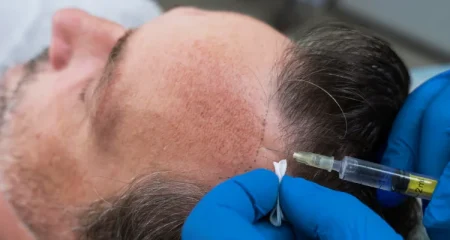
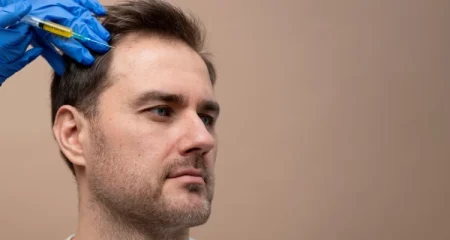
PRP uses platelet-rich plasma prepared from the patient’s own blood and may support selected forms of pattern thinning. Mesotherapy uses separately prepared injectable formulations that can contain vitamins, amino acids, peptides, or other ingredients.
These approaches are not interchangeable. Mesotherapy protocols are especially variable, while PRP preparation methods also differ.
Neither procedure should automatically replace diagnosis-specific medication when established medical management is indicated. Treatment selection should be based on a clear reason rather than simply combining every available option.
Combining Different Methods for Hair Follicle Support
Combination treatment can be useful when separate methods address different aspects of hair loss. In carefully selected cases, a Personalized Hair-Loss Treatment Protocol may combine medical therapy, PRP, mesotherapy, nutritional correction, or scalp treatment.
For example, medication may target progression of androgenetic alopecia while PRP is used as an adjunctive procedure. A nutritional deficiency should be corrected separately when it contributes to shedding.
Combining treatments does not automatically improve results. Each additional method should have a defined purpose, acceptable safety profile, and reasonable evidence.
Treatment timing also matters. Performing too many scalp procedures too closely together can increase irritation without improving outcomes. Progress should be monitored so ineffective components can be modified or removed.
Treatment Strategies for a Receding Hairline
A receding hairline commonly develops as part of androgenetic alopecia, especially when frontal and temporal follicles gradually miniaturize. When viable follicles remain, a Personalized Hair-Loss Treatment Protocol may focus on slowing progression and supporting weakened hairs.
Medical treatment can be considered when appropriate, while PRP or other supportive methods may be incorporated selectively. The response depends on how advanced follicle loss has become.
A deeply receded hairline with long-standing permanent follicle loss is less likely to return through nonsurgical treatment alone. Hair transplantation may be considered when donor availability and future hair-loss progression make surgery appropriate.
Hairline planning should always consider the likely pattern of future thinning rather than treating the frontal edge in isolation.
Hair-Loss Protocols for Men and Women
Men and women can both experience hair loss, but the pattern, hormonal influences, and treatment considerations may differ. A Personalized Hair-Loss Treatment Protocol should therefore be based on the underlying diagnosis rather than assuming every male or female patient has the same type of hair loss.
Men commonly develop frontal recession, temple loss, or crown thinning associated with androgenetic alopecia, while women may experience broader central or diffuse thinning. Hormonal changes, nutritional factors, pregnancy-related shedding, menopause, and medical conditions can also influence treatment planning.
Factors considered when planning hair-loss treatment for men and women include:
- Pattern of hair loss
- Underlying diagnosis
- Frontal recession
- Temple thinning
- Crown thinning
- Central scalp thinning
- Diffuse hair loss
- Hormonal influences
- Pregnancy-related shedding
- Menopause
- Nutritional factors
- Medical conditions
- Medication suitability
- Autoimmune hair loss
- Inflammatory scalp disease
How Is Treatment Progress Monitored?
Hair-loss treatment should be monitored over several months because the hair-growth cycle changes gradually. During a Personalized Hair-Loss Treatment Protocol, progress may be assessed with standardized photographs, scalp examination, shedding patterns, and changes in hair shaft thickness or density.
Consistent monitoring helps distinguish meaningful improvement from temporary fluctuations. Using similar lighting, hairstyle, hair length, and camera position can make photographic comparisons more reliable and help guide treatment adjustments.
Factors used to monitor hair-loss treatment progress include:
- Standardized photographs
- Scalp examination
- Changes in shedding
- Hair shaft thickness
- Hair density
- Hair-growth pattern
- Consistent lighting
- Similar hairstyle
- Similar hair length
When Should a Hair-Loss Protocol Be Adjusted?
A treatment plan should be reconsidered when hair loss continues to progress, side effects develop, or expected improvement does not occur after an appropriate evaluation period. In these situations, a Personalized Hair-Loss Treatment Protocol may need changes in medication, procedure frequency, or the overall diagnosis.
New symptoms such as scalp inflammation, sudden shedding, patchy loss, or scarring may also require reassessment.
Adjustment does not always mean adding more treatment. Reducing unnecessary procedures can be equally important when they provide no measurable benefit.
Changes should reflect the natural hair-growth timeline. Stopping or replacing a treatment too early can make it difficult to judge effectiveness, while continuing an ineffective method indefinitely can increase cost without improving results.
Maintenance Strategies for Long-Term Hair Care
Long-term maintenance depends on whether the underlying condition is temporary or progressive. For chronic pattern hair loss, a Personalized Hair-Loss Treatment Protocol may include ongoing medical management, periodic procedures, scalp care, and regular follow-up.
Maintenance should be based on treatment response rather than performed automatically. Some patients may benefit from periodic PRP, while others may rely primarily on medication or other strategies.
Nutrition, scalp health, gentle hair care, and appropriate management of medical conditions can also support long-term hair quality.
Genetic hair loss does not usually stop permanently after a short treatment course. Continued monitoring can identify renewed thinning early and allow the maintenance strategy to be adjusted before more advanced density loss develops.
Personalized Hair-Loss Treatment Protocol Prices 2026
Treatment costs vary because personalized hair-loss management can include diagnostic assessment, laboratory testing, medications, PRP, mesotherapy, scalp procedures, or surgical restoration. When estimating Personalized Hair-Loss Treatment Protocol prices, the diagnosis, treatment area, number of sessions, and long-term maintenance requirements should all be considered.
Frequently Asked Questions
How is a personalized hair-loss treatment plan create d?
Planning begins with assessment of the hair-loss pattern, scalp health, follicle miniaturization, medical history, and possible contributing factors. Based on these findings, a Personalized Hair-Loss Treatment Protocol can match treatment methods to the diagnosis and expected progression.
Which tests may be needed before starting hair-loss treatment?
Testing depends on the suspected cause and is not necessary for every patient. Before a Personalized Hair-Loss Treatment Protocol is finalized, selected blood tests may evaluate iron status, thyroid function, nutritional factors, hormones, or other medical concerns when clinically relevant.
What is the most suitable treatment for my type of hair loss?
The most suitable method depends on the diagnosis, stage of thinning, follicle viability, and scalp condition. Within a Personalized Hair-Loss Treatment Protocol, treatment may include medication, PRP, supportive scalp procedures, deficiency correction, or hair transplantation when appropriate.
Can a personalized protocol help with thinning hair?
A structured plan may help preserve active follicles, reduce progression, or improve visible thickness in suitable cases. With a Personalized Hair-Loss Treatment Protocol, results depend on the cause of thinning and whether functioning follicles remain.
Can different hair-loss treatments be combined?
Different methods can be combined when they address separate treatment goals. In a Personalized Hair-Loss Treatment Protocol, medication, PRP, mesotherapy, scalp care, or nutritional correction should be combined only when each component has a clear purpose.
How many treatment sessions might I need?
Session numbers vary according to the procedures included and the severity of hair loss. During a Personalized Hair-Loss Treatment Protocol, injectable treatments may require several sessions, while medical therapies often follow a longer continuous schedule.
When can I expect to notice changes in hair density?
Hair density changes generally take several months because follicles grow slowly. Following a Personalized Hair-Loss Treatment Protocol, changes in shedding may appear before thicker hairs or improved scalp coverage become clearly visible.
How often should my hair-loss treatment plan be reviewed?
Review frequency depends on the diagnosis and treatments being used. During a Personalized Hair-Loss Treatment Protocol, periodic reassessment helps measure progress, identify continued thinning, monitor side effects, and decide whether treatment or maintenance should be adjusted.