

What Is Polynucleotide Hair Treatment?
Polynucleotide hair treatment is an injectable scalp approach intended to support scalp quality and the biological environment surrounding existing hair follicles. Rather than replacing lost follicles, Polynucleotide Hair Treatment is generally considered a supportive option for selected people experiencing thinning or declining hair quality.
Polynucleotides are purified chains of nucleotides used in certain injectable preparations. Their proposed effects relate to tissue-support and remodeling processes, although formulations, approved indications, and clinical evidence can vary between products and countries.
Treatment usually involves multiple small injections across targeted areas of the scalp. It should not be presented as a guaranteed method for growing new hair. Genetic hair loss, nutritional deficiencies, hormonal conditions, inflammatory disorders, and scarring alopecia require appropriate diagnosis and may need other treatments.
How Do Polynucleotides Work on the Scalp?
Polynucleotides are used with the aim of supporting the local tissue environment and biological processes associated with tissue repair. When Polynucleotide Hair Treatment is applied to the scalp, small quantities of the selected preparation are injected around areas containing existing follicles.
Proposed mechanisms include effects on fibroblast activity, extracellular matrix processes, hydration, and local tissue quality. However, these proposed effects should not be interpreted as proof that treatment can regenerate destroyed hair follicles.
The response may also depend on the formulation, concentration, injection technique, scalp condition, and underlying cause of thinning.
Polynucleotide treatment is therefore better considered a supportive approach rather than a universal solution for hair loss. Progressive conditions such as androgenetic alopecia may still require established diagnosis-specific management.
What Are Polynucleotides Used for in Hair Care?
Polynucleotides may be used in scalp treatment programs intended to support tissue quality and existing follicles. Within a broader hair-care strategy, Polynucleotide Hair Treatment may be considered for reduced hair quality, early thinning, or scalp conditions where follicles remain present.
The treatment differs from hair transplantation because it does not move new follicles into areas of loss. It also differs from PRP, which is prepared directly from the patient’s own blood.
Potential goals can include supporting the scalp environment and improving the appearance of existing hair over time. The extent of these effects varies, and clinical evidence is still evolving for some applications.
Treatment should therefore follow an assessment of the underlying hair-loss pattern rather than being used automatically for every type of shedding.
Which Types of Hair Thinning May Benefit from Polynucleotide Treatment?
Selected forms of nonscarring thinning may be considered for polynucleotide-based scalp treatment when active follicles remain. In suitable cases, Polynucleotide Hair Treatment may form part of a broader plan for early or progressive hair thinning.
Androgenetic alopecia, diffuse thinning, and reduced hair quality can have very different causes. A supportive injectable procedure should not replace medical management when a specific diagnosis requires it.
Temporary shedding related to illness, stress, nutritional deficiency, or hormonal changes may improve when the underlying trigger is corrected. Autoimmune and inflammatory hair-loss disorders require separate assessment.
Scarring alopecia is particularly important to recognize because permanent follicle destruction can occur. Once follicles have been replaced by scar tissue, injectable scalp treatments cannot reliably recreate them.
Who Is a Suitable Candidate for Polynucleotide Scalp Treatment?
Suitable candidates are generally adults with active hair follicles who are experiencing early thinning, reduced hair quality, or other scalp concerns appropriate for supportive treatment. Following proper assessment, Polynucleotide Hair Treatment may be considered when realistic improvement is possible without expecting complete restoration of lost follicles.
The condition of the scalp and remaining follicles is important. Long-standing smooth bald areas are less likely to respond because active follicles may no longer be present.
Medical history, allergies, medications, active scalp conditions, and previous treatments should also be reviewed. Suitability can additionally depend on the specific injectable preparation being considered.
Patients should understand that polynucleotides do not replace diagnosis-specific treatment for genetic, autoimmune, nutritional, hormonal, or inflammatory causes of hair loss.
Polynucleotide Treatment for Weak and Thinning Hair
Weak and thinning hair may result from follicle miniaturization, aging, genetics, nutritional factors, illness, or other biological changes. When follicles remain viable, Polynucleotide Hair Treatment may be incorporated into a supportive program aimed at improving scalp and existing hair quality.
The treatment cannot directly repair hair shafts that have already been physically damaged by heat, chemicals, or mechanical stress. Visible hair above the scalp consists primarily of nonliving keratin.
When thinning originates from progressive follicle miniaturization, management of the underlying condition remains important. Polynucleotide injections should not automatically replace established therapies.
Any improvement requires time because existing follicles must produce hair that grows long enough to affect visible thickness and density. Individual response can vary considerably.
Supporting Scalp Quality with Polynucleotides
Healthy scalp tissue provides the environment in which active hair follicles function. By targeting local tissue quality, Polynucleotide Hair Treatment may be used with the intention of supporting hydration, tissue condition, and remodeling processes around existing follicles.
Polynucleotides are not primarily nutrient supplements like vitamin-based mesotherapy preparations. Their proposed role relates more closely to biological tissue-support mechanisms, although the exact effects depend on the product and treatment protocol.
Scalp quality is only one component of healthy hair growth. Hormones, genetics, nutrition, inflammation, medications, and general health can also influence follicle behavior.
For this reason, improving the scalp environment does not guarantee increased hair density. Treatment should be incorporated into a broader plan when other causes of thinning are present.
Can Polynucleotides Help Improve Hair Density?
Visible density can improve when existing follicles produce stronger, thicker, or more noticeable hair shafts. In selected patients, Polynucleotide Hair Treatment may be considered as a supportive method when viable follicles remain within thinning areas.
However, evidence for density improvement can vary according to the specific preparation and clinical protocol. Polynucleotides should not be described as reliably creating new follicles in areas of permanent baldness.
The underlying diagnosis also influences the response. Progressive androgenetic alopecia may continue unless the condition itself is appropriately managed.
Any changes should be monitored over several months because hair grows slowly. Standardized photographs and scalp assessment can help determine whether treatment is associated with a meaningful change in visible density.
How Is Polynucleotide Treatment Applied to the Scalp?
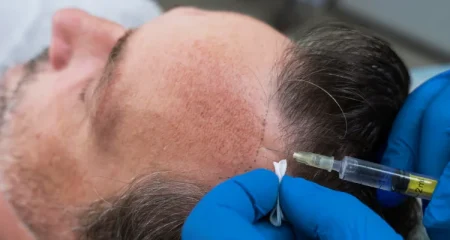
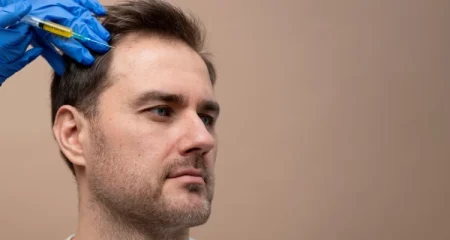
Treatment usually involves multiple small injections distributed across selected areas of thinning. During Polynucleotide Hair Treatment, the scalp is first cleaned before small quantities of the chosen preparation are placed at planned injection points.
The frontal scalp, mid-scalp, crown, or other areas may be treated according to the pattern of thinning. Application should focus on regions where follicles remain and treatment has a reasonable biological target.
Patients may experience brief stinging, pressure, or tenderness during injections. Temporary redness, small bumps, swelling, bruising, or pinpoint bleeding can occur afterward.
Injection depth, spacing, quantity, and technique can vary between preparations. Sterile handling is important because multiple injections temporarily disrupt the skin barrier.
What Happens During a Polynucleotide Hair Treatment Session?
A treatment session usually begins with scalp assessment and identification of the areas selected for injection. Before Polynucleotide Hair Treatment is administered, the scalp is cleaned and prepared according to the planned injection protocol.
Small quantities of the polynucleotide preparation are then injected systematically across targeted regions. The duration depends on the size and number of areas being treated.
Mild stinging or pressure can occur with each injection. Appropriate comfort measures may be considered according to individual sensitivity and the planned technique.
After the procedure, small injection-site bumps, redness, tenderness, or pinpoint bleeding may temporarily remain visible. Patients can usually return to routine activities relatively quickly, although individual aftercare instructions should be followed.
How Many Polynucleotide Hair Sessions May Be Needed?
The number of Polynucleotide Hair Treatment sessions varies according to the preparation used, treatment protocol, degree of thinning, and individual response. Treatment may involve an initial series of sessions followed by reassessment rather than relying on a single procedure.
There is no universally standardized number of sessions that guarantees improved hair density or growth. Because hair changes develop gradually, enough time should be allowed before deciding whether additional treatment or maintenance is appropriate.
Factors that influence the number of Polynucleotide Hair Treatment sessions include:
- Specific polynucleotide preparation
- Treatment protocol
- Extent of hair thinning
- Individual treatment response
- Hair density changes
- Hair quality improvement
- Time allowed for assessment
- Scalp examination findings
- Standardized photographic comparison
- Need for additional sessions
- Need for maintenance treatment
- Response to the initial treatment series
Recovery and Scalp Care After Treatment
Recovery after Polynucleotide Hair Treatment is mainly related to the multiple small injection sites created across the scalp. Temporary redness, tenderness, swelling, small bumps, bruising, or pinpoint bleeding may occur in treated areas.
Patients should avoid unnecessary scratching, rubbing, or irritation during early recovery. Hair washing, exercise, styling products, and other scalp treatments should follow the specific aftercare instructions provided for the procedure.
Common recovery considerations after Polynucleotide Hair Treatment include:
- Temporary redness
- Scalp tenderness
- Localized swelling
- Small injection-site bumps
- Bruising
- Pinpoint bleeding
When Can Changes in Hair Quality Become Noticeable?
Hair-related changes generally develop slowly because follicles follow natural growth and resting cycles. Following Polynucleotide Hair Treatment, potential differences in thickness, shedding, or overall hair quality should be evaluated over months rather than immediately after treatment.
Even when follicle activity improves, newly produced hairs require time to grow sufficiently to become visible. Changes in scalp quality may follow a different timeline from changes in hair density.
Response varies according to age, genetics, diagnosis, follicle viability, preparation used, and treatment schedule.
Progress is easier to evaluate using standardized photographs taken under similar conditions. Consistent lighting, hair length, styling, and camera position reduce the risk of mistaking visual differences for actual improvement.
Combining Polynucleotides with Other Hair Treatments
Polynucleotides can potentially form one component of a broader treatment plan that includes medical therapy, PRP, scalp care, or correction of identified deficiencies. When combining methods, Polynucleotide Hair Treatment should have a defined purpose based on the individual’s diagnosis and treatment goals.
For example, established medical therapy may address progressive androgenetic alopecia while an injectable treatment is used as supportive care. PRP can also be considered separately in selected patients.
Combining several procedures does not automatically improve results. Treatment schedules should also avoid unnecessary scalp irritation from performing multiple injectable procedures too closely together.
Monitoring is important because it helps determine whether the overall plan is controlling hair loss and whether each additional procedure remains worthwhile.
Polynucleotide Hair Treatment Prices 2026
Treatment costs vary according to the polynucleotide preparation used, number of sessions, treatment area, product quantity, and whether additional hair therapies are included. When considering Polynucleotide Hair Treatment prices, both the initial treatment course and possible maintenance requirements should be evaluated.
Frequently Asked Questions
What do polynucleotides do for the scalp and hair?
Polynucleotides are intended to support local tissue quality and biological remodeling processes around existing follicles. During Polynucleotide Hair Treatment, the primary goal is scalp and follicle support rather than guaranteed creation of completely new hair follicles.
Can polynucleotide treatment help with hair thinning?
Selected patients with viable follicles may consider polynucleotides as supportive care for thinning hair. However, Polynucleotide Hair Treatment should not replace diagnosis-specific management when genetic, nutritional, hormonal, autoimmune, or inflammatory conditions are responsible for hair loss.
Does polynucleotide treatment stimulate new hair growth?
The treatment may support the environment around active follicles, but evidence does not justify promising completely new follicle formation. With Polynucleotide Hair Treatment, permanently destroyed follicles or long-standing bald areas should not be expected to reliably produce new hair.
Can polynucleotides improve hair thickness and density?
Improvements may occur if existing follicles respond by producing stronger or more visible hairs, although outcomes vary. When Polynucleotide Hair Treatment is used, potential changes depend on follicle viability, diagnosis, preparation, treatment schedule, and individual response.
How many polynucleotide hair treatment sessions are usually needed?
Treatment commonly involves a planned series rather than relying on one session, but protocols vary between preparations. During Polynucleotide Hair Treatment, the number of sessions should reflect product guidance, scalp response, treatment goals, and measurable progress.
How often should polynucleotide scalp treatments be performed?
Treatment intervals depend on the specific preparation and planned protocol, so there is no universal schedule. When Polynucleotide Hair Treatment is repeated, adequate recovery and clinical response should guide the timing of additional or maintenance sessions.