

What Is Brow Asymmetry Correction?
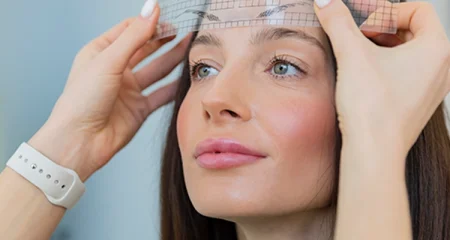
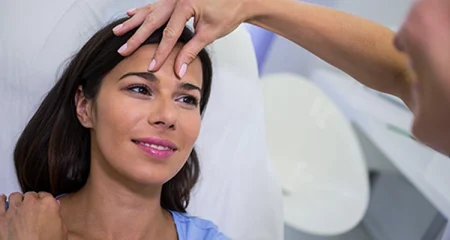
Brow asymmetry correction includes surgical or non-surgical techniques used to reduce noticeable differences in eyebrow height, arch, tail position, or movement. Treatment is individualized because mild eyebrow differences are a normal feature of most faces.
Correction may involve an endoscopic, direct, or temporal lifting technique, while selected dynamic differences may respond to botulinum toxin treatment. The aim is usually improved balance rather than perfectly identical eyebrows.
Why One Eyebrow May Sit Higher Than the Other
Differences in eyebrow height can result from skeletal anatomy, forehead muscle activity, natural soft-tissue distribution, aging, previous surgery, or facial nerve function.
One side of the forehead may also compensate more strongly for upper-eyelid heaviness, causing that eyebrow to remain elevated. Identifying why the difference exists is important because lowering a high brow and raising a low brow require different treatment strategies.
Facial Anatomy Behind Uneven Brow Position
Brow position reflects the relationship between the frontal bone, orbital rim, forehead muscles, skin, retaining tissues, and surrounding soft tissues.
The two sides of the face are rarely anatomically identical. Differences in orbital height or forehead shape can make the eyebrows appear uneven even when the soft tissues are positioned similarly. Surgical planning should therefore assess the entire upper face rather than relying only on eyebrow measurements.
Distinguishing Natural Brow Asymmetry from Age-Related Drooping
Some people have uneven eyebrows from childhood or early adulthood, while others develop a noticeable difference as facial tissues age.
Age-related descent can affect one side more prominently because of differences in tissue elasticity, muscle activity, sun exposure, or habitual facial expressions. Reviewing earlier photographs can help determine whether asymmetry is longstanding or has progressively developed.
How Forehead Muscle Activity Can Create Brow Imbalance
The frontalis muscle elevates the eyebrows, while surrounding muscles contribute to downward and inward movement. Unequal activity between the two sides can create visible differences in brow height.
Some people continuously raise one eyebrow to compensate for eyelid heaviness or a naturally lower brow. Because muscle-related asymmetry changes during expression, evaluation should include both resting and animated facial positions.
Correcting a Low Brow Without Over-Lifting the Opposite Side
When one eyebrow is clearly lower, treatment can concentrate on the affected side instead of automatically elevating both brows equally.
The amount of correction must consider the higher eyebrow’s natural position and overall facial proportions. Attempting absolute symmetry can sometimes result in overcorrection. A more conservative adjustment may provide better balance while preserving natural expression and eyebrow character.
Rebalancing Brow Height for a More Symmetrical Upper Face
Improving eyebrow balance requires more than measuring the vertical difference between two brows. Arch position, lateral tail height, eye shape, forehead anatomy, and muscle activity also contribute.
The planned correction may therefore differ across the inner, middle, and outer portions of each eyebrow. Small adjustments can significantly influence upper-face symmetry, particularly when the original difference is concentrated around the brow tails.
Brow Tail Asymmetry and Its Effect on Eye Shape
Uneven brow tails can make one eye appear more hooded, open, lifted, or downturned than the other, even when the eyes themselves have similar anatomy.
Selective lateral repositioning may improve this relationship. However, the eyelids and orbital structure should also be examined because apparent brow-tail asymmetry can sometimes originate from differences around the eyes rather than the eyebrows themselves.
Uneven Brow Arches: When Shape Matters as Much as Height
Two eyebrows can sit at approximately the same height while still appearing asymmetric because their arches have different shapes.
One side may be flatter, more peaked, or have a higher lateral segment. Correction should therefore consider contour as well as vertical position. Lifting an already high section simply to match another measurement can exaggerate the difference instead of improving it.
Brow Asymmetry After Previous Eyelid or Facelift Surgery
Previous blepharoplasty, brow surgery, forehead lifting, or facelift procedures can sometimes reveal or contribute to eyebrow imbalance.
Scar tissue, altered tissue tension, different lifting vectors, or pre-existing asymmetry may influence postoperative position. Revision treatment requires evaluation of previous incisions and surgical changes. Operative reports and photographs taken before earlier procedures can be useful when planning correction.
Correcting Brow Imbalance Caused by Facial Nerve Weakness
Facial nerve weakness can affect the muscles responsible for eyebrow movement, creating significant differences between the two sides.
Treatment planning is different from correction of ordinary age-related descent because muscle function may be reduced or absent. The cause, severity, and stability of the weakness should be medically evaluated before cosmetic correction. Surgical repositioning may be considered in selected stable cases, but expectations depend heavily on remaining nerve and muscle function.
Surgical Options for Persistent Brow Asymmetry
Persistent differences may be treated with several surgical approaches depending on where the imbalance occurs and how much repositioning is required.
Options can include scalp-based endoscopic elevation, a direct incision near the eyebrow, or temporal lifting focused on the lateral brow. Previous surgery, hairline position, scar preferences, degree of descent, and the need for one-sided correction influence technique selection.
Endoscopic Techniques for Uneven Brow Elevation
An endoscopic brow lift can allow forehead tissues to be released and repositioned through small scalp incisions. Different fixation and lifting vectors can be used on each side when eyebrow heights are unequal.
This approach may be useful when asymmetry accompanies broader forehead or brow descent. Hairline anatomy and previous scalp surgery should also be considered. Precise correction is still limited by natural skeletal and muscular differences between the two sides.
Direct Brow Lift for Precise One-Sided Correction
A direct technique provides close access to an individual eyebrow and can be useful when precise unilateral elevation is required.
Different amounts of tissue can be adjusted along the inner, central, or outer brow. This provides substantial control but places the incision near the eyebrow, making scar visibility an important consideration. Brow density, skin characteristics, forehead lines, and individual scar tendency influence suitability.
Temporal Brow Adjustment for Lateral Asymmetry
When the main difference involves the outer third of the eyebrows, a temporal approach can selectively reposition the lower brow tail.
This technique concentrates on lateral support rather than elevating the entire forehead. The direction of movement should be carefully controlled because excessive lateral elevation can produce an unnatural arch or change the apparent eye shape. Broader asymmetry may require another approach.
Brow Asymmetry Correction vs. Blepharoplasty
Blepharoplasty modifies eyelid tissues, whereas eyebrow correction changes brow position. The procedures therefore address different causes of upper-face imbalance.
A lower eyebrow can make one upper eyelid appear to have more excess skin than the other. Removing additional eyelid skin without considering brow position may fail to address the underlying difference. Some patients require brow treatment, some eyelid surgery, and others a coordinated combination.
Brow Asymmetry Correction Prices 2026
Brow Asymmetry Correction Prices 2026 vary according to the cause and severity of the imbalance, selected technique, anesthesia, geographic location, and whether one or both sides require treatment.
Is Brow Asymmetry Normal?
Minor differences between the eyebrows are a common part of natural facial anatomy. Bone structure, muscle strength, eye position, and soft-tissue distribution are rarely identical on both sides.
Can Uneven Eyebrows Be Corrected Surgically?
Persistent eyebrow differences can be reduced surgically when tissue position is a significant cause. The appropriate technique depends on whether the imbalance involves the entire eyebrow, only the lateral tail, or broader forehead tissues.
Can Only One Eyebrow Be Lifted?
One-sided elevation can be considered when a single eyebrow is clearly lower and the opposite side already sits in an appropriate position.
What Is the Best Treatment for a Lower Eyebrow?
The most appropriate treatment depends on why the eyebrow sits lower. Tissue descent, muscle imbalance, facial nerve weakness, skeletal asymmetry, and previous surgery require different approaches.
Can Botox Fix Brow Asymmetry?
Botulinum toxin can sometimes improve dynamic eyebrow asymmetry by modifying the activity of muscles that elevate or depress the brow.
When Is Surgery Better Than Botox for Uneven Brows?
Surgery may be more appropriate when the main problem is persistent structural descent rather than temporary or muscle-driven imbalance.
Can a Brow Lift Make Eyebrows More Symmetrical?
A brow lift can improve symmetry by repositioning one or both eyebrows and adjusting the amount of elevation on each side.