

What Is Facial Skin Defect Reconstruction?
Facial Skin Defect Reconstruction refers to surgical techniques used to repair areas where facial skin or underlying tissue has been lost. Defects may result from trauma, surgery, burns, skin lesion removal, infection, or other causes.
The aim is to restore coverage, contour, and function while achieving the best possible cosmetic balance. Depending on the defect, reconstruction may involve direct closure, local flaps, skin grafts, or more complex tissue transfer.
Treatment planning considers defect size, depth, location, skin quality, blood supply, and nearby facial structures. Complete restoration to the original appearance cannot always be achieved, but careful reconstruction can often significantly improve both function and appearance.
What Causes Skin Defects on the Face?
Facial skin defects can develop after trauma, burns, previous surgery, infection, or removal of abnormal skin lesions. Facial Skin Defect Reconstruction may be required when normal wound closure is not possible or would cause excessive tension or distortion.
The depth of a defect can vary considerably. Some injuries affect only the skin, while others involve fat, muscle, cartilage, or deeper structures. Tissue loss around the nose, lips, eyelids, or ears can be particularly challenging because these areas have important functional roles.
The cause of the defect also influences reconstruction. Fresh traumatic wounds may require different planning from defects created during surgery or from longstanding tissue damage.
Which Facial Skin Defects May Require Reconstruction?
Facial Skin Defect Reconstruction may be needed when a wound is too large, deep, or complex for simple closure. Defects involving areas such as the nose, eyelids, lips, cheeks, forehead, ears, or chin may require reconstruction when surrounding tissues cannot be safely brought together.
Reconstruction may also be necessary after trauma, burns, or removal of skin lesions that leave a significant tissue gap. Smaller superficial defects may sometimes heal or close directly, while larger defects can require local flaps, skin grafts, or layered repair.
Facial skin defects that may require reconstruction include:
- Large wounds
- Deep tissue defects
- Complex facial wounds
- Nasal defects
- Eyelid defects
- Lip defects
- Cheek defects
- Forehead defects
- Ear defects
- Chin defects
- Traumatic tissue loss
- Burn-related defects
- Defects after skin lesion removal
- Wounds affecting eyelid closure
- Defects affecting lip movement
- Defects altering nasal shape
- Wounds affecting facial expression
How Is a Facial Skin Defect Evaluated Before Treatment?
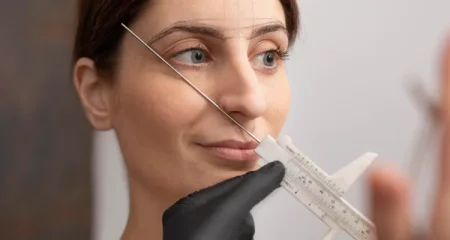
Before Facial Skin Defect Reconstruction, the defect is evaluated according to its size, depth, location, shape, blood supply, and involvement of deeper tissues. The surrounding skin is also assessed for flexibility, thickness, color, and suitability for tissue movement.
Important facial landmarks such as the eyelids, lips, nose, eyebrows, and hairline must be considered during planning. Previous surgery, radiation, infection, scar formation, and functional problems can also influence which reconstructive technique is most appropriate.
Factors considered during facial skin defect evaluation include:
- Defect size
- Defect depth
- Defect location
- Defect shape
- Local blood supply
- Deeper tissue involvement
- Skin flexibility
- Skin thickness
- Skin color
- Availability of surrounding tissue
Choosing the Right Reconstructive Technique for the Face
Choosing the appropriate method for Facial Skin Defect Reconstruction depends on the size, depth, location, and complexity of the defect.
Small defects may be closed directly when enough surrounding skin is available without creating excessive tension. Local flaps may be preferred when nearby tissue provides a good match in color, thickness, and texture.
Skin grafts can be useful when local tissue is limited or the defect is relatively superficial but too large for direct closure. Deeper or complex defects may require layered reconstruction or more advanced flap techniques.
The goal is to restore coverage while protecting facial function and maintaining natural anatomical landmarks as much as possible.
Primary Closure for Small Facial Skin Defects
Primary closure is one of the simplest methods used in Facial Skin Defect Reconstruction when a defect is small enough for the wound edges to be brought together safely.
The surrounding skin is carefully mobilized, and the wound is closed in layers to reduce tension. Precise alignment is especially important on the face because even small changes can affect nearby anatomical landmarks.
Primary closure can provide a good color and texture match because no tissue is transferred from another location. However, it is not suitable when closure would distort the eyelid, lip, nose, or another facial structure.
Scar direction and skin tension are also considered when planning the final incision.
Local Flap Techniques in Facial Reconstruction
Local flaps are commonly used in Facial Skin Defect Reconstruction when direct closure would create excessive tension or distortion.
A local flap moves nearby skin and sometimes deeper tissue into the defect while maintaining its own blood supply. Because the tissue comes from the same facial region, it often provides a closer match in color, thickness, and texture than tissue taken from a distant area.
Different flap designs can be used depending on the location and shape of the defect. Planning must protect surrounding structures and preserve natural facial lines.
Local flaps create additional incision lines, but careful positioning can help them blend more naturally with facial contours over time.
Skin Grafting for Larger Facial Defects
Skin grafting can be used in Facial Skin Defect Reconstruction when a defect is too large for direct closure and a local flap is not suitable.
A skin graft is taken from another body area and placed over the facial defect. The graft initially depends on the underlying wound bed before developing its own blood supply.
Grafts can provide effective coverage, but differences in color, thickness, and texture may remain compared with surrounding facial skin. Contour irregularities can also occur in some cases.
The choice of donor site and graft thickness is therefore important. Skin grafting is especially useful for selected superficial defects where adequate wound coverage is the primary goal.
Reconstructing Facial Defects After Trauma
Trauma can produce complex injuries that require Facial Skin Defect Reconstruction to replace missing tissue and restore normal anatomy.
Cuts, crush injuries, burns, and accidents may damage skin as well as underlying fat, muscle, cartilage, or bone. Reconstruction can therefore require more than simple wound closure.
Treatment may involve direct closure, local flaps, skin grafts, tissue rearrangement, or staged procedures. Deep injuries can also require contour restoration when tissue loss creates a visible depression.
The reconstructive plan depends on wound contamination, blood supply, defect depth, surrounding tissue condition, and functional involvement. Preserving movement and important facial structures is a major priority.
Facial Reconstruction After Skin Lesion Removal
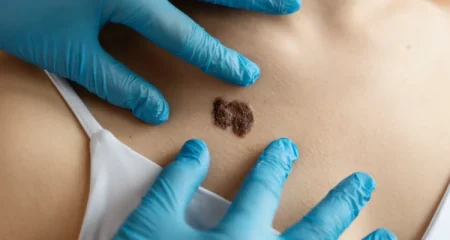
Facial Skin Defect Reconstruction may be required after removal of a skin lesion when the resulting defect cannot be closed directly without distortion.
The size and location of the surgical defect influence the reconstructive approach. Small areas may be closed primarily, while larger defects can require local flaps or skin grafts.
Reconstruction around the nose, eyelids, lips, and ears requires particular care because these areas contain complex shapes and functional structures. Tissue thickness and skin color also vary across the face.
The goal is to provide secure wound coverage while maintaining facial contours and minimizing changes to nearby landmarks. Final scar appearance develops gradually during the healing process.
Restoring Facial Contours After Tissue Loss
Tissue loss can create depressions or uneven contours that require more than surface closure. Facial Skin Defect Reconstruction may therefore include techniques designed to restore deeper facial volume and support.
Local flaps can transfer skin and soft tissue into a defect, while fat grafting or other reconstructive methods may be considered when volume loss remains after healing. Larger defects can require layered reconstruction to replace several tissue types.
Contour restoration is particularly important around the cheeks, nose, temples, and lips, where even small differences can affect facial balance.
Perfect symmetry cannot always be achieved. The goal is to create smoother transitions and restore a natural relationship between reconstructed and surrounding tissues.
Preserving Facial Function During Reconstruction
Maintaining function is a major goal of Facial Skin Defect Reconstruction, especially when treatment involves the eyelids, lips, nose, or other mobile structures.
Reconstruction must avoid excessive tension that could pull the eyelid away from the eye, distort the mouth, narrow a nasal opening, or interfere with facial expression.
The technique is therefore selected based not only on cosmetic appearance but also on movement, protection, breathing, and tissue support. In some situations, functional reconstruction takes priority over creating the least visible scar.
Complex defects may require staged procedures to achieve the best balance between coverage, movement, and appearance. Careful planning helps reduce the risk of postoperative distortion.
Managing Scars After Facial Skin Reconstruction
Scar management is an important part of Facial Skin Defect Reconstruction because every surgical repair creates new healing lines.
Early care usually focuses on protecting the wound, reducing unnecessary tension, and following specific dressing instructions. Once healing allows, silicone-based products may sometimes be recommended for scar management.
Sun protection is important because healing scars can develop prolonged redness or pigmentation changes. Selected scars may later benefit from laser treatment, injections, microneedling, or surgical revision if they remain raised, wide, or irregular.
Scar appearance continues changing for many months. Treatment decisions should therefore consider scar maturity and whether the scar is still naturally improving.
Recovery and Healing Following Facial Reconstruction
Recovery after Facial Skin Defect Reconstruction depends on the size of the defect and the reconstructive technique used.
Swelling, bruising, redness, tenderness, and temporary firmness are common during early healing. Primary closure generally requires less recovery than complex flap or graft reconstruction.
Skin grafts and flaps require careful monitoring during the early period because healthy blood supply is essential for tissue survival. Activity may also be restricted to reduce tension or pressure on the reconstructed area.
Although the wound surface may heal within weeks, scar maturation takes much longer. Redness and firmness can gradually improve over 6 to 12 months or more.
Facial Skin Defect Reconstruction Prices 2026
Facial Skin Defect Reconstruction Prices 2026 vary considerably because treatment may range from a small direct closure to complex reconstruction involving local flaps, skin grafts, or staged procedures.
Frequently Asked Questions
Can facial skin defects be completely reconstructed?
Facial Skin Defect Reconstruction can often restore effective coverage, contour, and function, but completely recreating the original skin may not always be possible. The final result depends on defect size, depth, location, surrounding tissue, and the reconstructive technique used.
What is the best technique for repairing a facial skin defect?
The best Facial Skin Defect Reconstruction technique depends on the defect. Small areas may be closed directly, while larger or more complex defects may require local flaps or skin grafts. Location, tissue depth, skin quality, and functional requirements guide the decision.
When is a skin graft needed for facial reconstruction?
A skin graft may be used during Facial Skin Defect Reconstruction when a defect is too large for direct closure and local tissue cannot be moved safely. Grafting is often considered for selected superficial defects that need reliable skin coverage.
What is a local flap in facial reconstructive surgery?
A local flap in Facial Skin Defect Reconstruction uses nearby skin and soft tissue to cover a defect while maintaining its original blood supply. Local flaps often provide a good match in skin color, thickness, and texture.
How long does facial skin reconstruction take to heal?
Initial healing after Facial Skin Defect Reconstruction usually occurs over several weeks, although more complex grafts or flaps may take longer. Scar maturation continues for several months and often takes 6 to 12 months or more.
Will facial skin defect reconstruction leave a visible scar?
Facial Skin Defect Reconstruction will create a scar because surgical repair requires new incisions. Careful planning can place scars in favorable locations and reduce tension, but complete scar elimination is not possible. Scar visibility usually decreases gradually as healing progresses.