
What Is Jowl and Jawline Correction?
Jowl and jawline correction refers to surgical or non-surgical treatments designed to reduce sagging along the lower face and create a cleaner, more defined mandibular contour. Treatment may address descended facial tissues, loose skin, localized fat, volume loss, neck laxity, or skeletal proportions depending on what is causing the jawline to look less defined.
Jowls usually develop when facial tissues descend below the mandibular border. Effective correction therefore involves identifying whether the main problem is tissue laxity, fat distribution, skin quality, loss of structural support, or a combination of these factors.
Treatment can range from fillers or energy-based procedures for mild concerns to mini facelift, SMAS, deep plane facelift, neck contouring, or combined face-and-neck surgery for more substantial changes.
What Causes Jowls and a Less Defined Jawline?
Jowls develop through a combination of aging, genetics, changes in facial fat compartments, ligament laxity, skin elasticity loss, and gradual descent of deeper facial tissues.
Bone structure also influences how visible jowls become. A strong mandibular border and well-projected chin can provide greater structural definition, while limited projection may make soft-tissue descent appear more pronounced.
Weight fluctuations can further alter lower-face volume and skin quality. For this reason, two patients with apparently similar jowls may require very different treatments.
How Does Jowl and Jawline Correction Improve the Lower Face?
Treatment improves the lower face by addressing tissues that interrupt the smooth line between the chin and mandibular angle.
Surgical lifting can reposition descended facial tissues upward and away from the jawline. Selected fat reduction may decrease localized fullness, while volume restoration can improve areas where deflation contributes to an uneven contour.
The objective is not simply to create an extremely sharp jaw. A natural result should maintain continuity between the cheeks, lower face, jawline, and neck.
Which Problems Can Jowl and Jawline Correction Address?
Jowl and jawline correction can address sagging jowls, lower-face heaviness, an irregular mandibular border, localized fat, loose skin, and reduced separation between the face and neck.
Treatment may also improve asymmetry when one side has greater tissue descent or different fat distribution.
However, jawline correction cannot always solve skeletal limitations through soft-tissue treatment alone. Chin projection, mandibular width, bite relationships, and underlying bone structure may need separate consideration.
Who Is Suitable for Jowl and Jawline Correction?
Suitable candidates range from younger adults with localized contour concerns to older patients with significant lower-face laxity.
Mild early jowling may respond to limited treatments, while substantial tissue descent usually requires surgical repositioning for meaningful correction.
Candidate assessment should consider skin quality, facial volume, fat distribution, neck anatomy, skeletal structure, previous treatments, medical history, nicotine exposure, and expectations. The appropriate procedure depends more on anatomy than chronological age alone.
What Are the Most Effective Treatments for Sagging Jowls?
The most effective treatment depends on the severity and cause of the jowls. When significant tissue descent is present, surgical lifting generally provides the most direct structural correction.
Options can include mini facelift, short-scar facelift, SMAS facelift, or deep plane facelift techniques. Neck treatment may be incorporated when laxity extends below the jawline.
For early changes, carefully selected non-surgical treatments may provide modest improvement. They should not be expected to reproduce surgical lifting in patients with substantial sagging.
How Is Jowl and Jawline Correction Performed?
There is no single operation called jowl and jawline correction. Instead, the surgeon creates a treatment plan based on the anatomical causes of lower-face heaviness.
Facelift techniques reposition descended facial tissues. Neck surgery can improve tissues beneath the jaw, while liposuction can reduce appropriate localized fat deposits.
Fat grafting or other volume-restoration methods may also be used when facial deflation contributes to the problem. Treatment should balance lifting, volume, and contour rather than concentrating exclusively on skin tightening.
What Are the Benefits of Jowl and Jawline Correction?
The procedure can create a smoother lower-face contour and clearer transition between the face and neck.
Repositioning descended tissues can reduce jowls while restoring a more continuous mandibular line. Appropriate neck treatment can further improve definition beneath the jaw.
Another potential benefit is improved facial balance. Rather than making one isolated area excessively sharp, comprehensive planning can improve the relationship between the cheeks, chin, jawline, and neck.
How Can Sagging Jowls Be Lifted and Tightened?
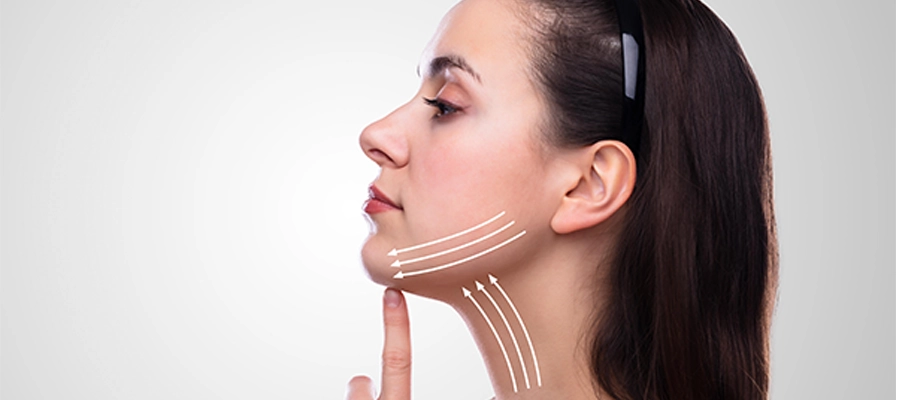
Significant jowls are generally improved by repositioning the deeper tissues responsible for lower-face descent.
Facelift techniques can address the SMAS and related supporting structures rather than relying solely on pulling the skin. Different surgical approaches vary in their depth and extent.
The skin can then be redraped over the repositioned tissues. This approach helps reduce excessive surface tension and can produce a more natural transition along the jawline.
What Helps Create a Sharper and More Defined Jawline?
A defined jawline depends on several factors working together: mandibular structure, chin projection, facial tissue position, fat distribution, and neck contour.
Lifting descended tissues can reduce jowls, while carefully selected fat removal can improve localized fullness. Neck contouring can create clearer separation beneath the mandible.
Volume augmentation may be considered when structural deficiency contributes to poor definition. The appropriate strategy should preserve natural facial proportions rather than creating an artificially angular lower face.
Can Jowl and Jawline Correction Improve Facial Symmetry?
Correction can improve visible asymmetry when uneven tissue descent, fat distribution, or volume loss contributes to differences between the two sides.
Surgical planning can adjust the amount and direction of tissue repositioning separately on each side. Fat removal or volume restoration can also be customized.
Perfect symmetry is not a realistic surgical objective because natural faces contain anatomical differences. The goal is usually improved balance while maintaining normal facial character.
Can Jowl Correction Improve Loose Skin Around the Jawline?
Jowl correction can improve loose skin when it forms part of lower-face tissue descent.
During facelift surgery, deeper tissues are repositioned first and the skin is then redraped. Excess skin can be conservatively removed through appropriately designed incisions.
Treating significant laxity through skin tension alone can produce an unnatural appearance. Structural support is therefore an important component of comprehensive surgical correction.
Which Surgical Options Are Used for Jowl Correction?
Surgical options include mini facelift, short-scar facelift, SMAS facelift, deep plane facelift, and combined face-and-neck lifting.
The appropriate technique depends on how much tissue has descended and whether aging is concentrated around the jawline or extends into the cheeks and neck.
Platysmaplasty, neck liposuction, fat grafting, or chin procedures may also complement jowl surgery when other anatomical factors affect lower-face definition.
What Are the Non-Surgical Options for Jowl and Jawline Contouring?
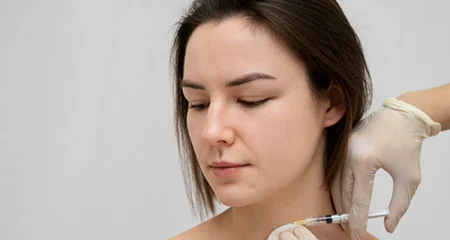
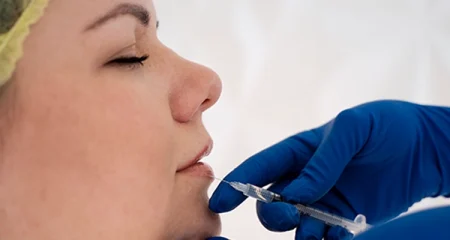
Non-surgical options may include dermal fillers, biostimulatory treatments, selected energy-based skin-tightening technologies, and injectable treatments where medically appropriate.
Fillers can sometimes improve the appearance of the mandibular contour by adding strategic volume, but they do not physically lift significant jowls.
Non-surgical approaches generally work best for early changes or patients seeking modest improvement. Significant tissue descent typically requires surgical repositioning for a more substantial result.
Jowl and Jawline Correction vs. Facelift: Which Is More Suitable?
Jowl and jawline correction describes the treatment goal, while a facelift is one of the procedures that can achieve it.
A facelift may be appropriate when descended lower-face tissues are the main cause of jowling. Limited contouring procedures may be sufficient when the concern primarily involves localized fat or subtle volume imbalance.
Patients with substantial jowls should be cautious about attempting to replace necessary tissue repositioning with repeated volume addition, as excessive filling can make the lower face appear heavier.
Jowl and Jawline Correction vs. Neck Lift: What Is the Difference?
A neck lift primarily addresses tissues beneath the jawline, including neck skin, platysma, and selected fat. Jowl correction primarily concerns tissue descent along the lower facial border.
The two regions are closely connected. A patient may have significant jowls with relatively little neck laxity, while another may have a defined lower face but substantial neck aging.
When both areas are affected, combined face-and-neck treatment can create better continuity across the mandibular border.
Can Liposuction Improve Jowls and Jawline Definition?
Liposuction can improve jawline definition when excess superficial fat is obscuring the mandibular border.
However, true jowls are usually caused primarily by descended facial tissues rather than simple fat accumulation. Removing fat directly from a jowl without understanding its anatomy can produce irregularities or worsen a deflated appearance.
Liposuction is therefore most useful when a clearly identifiable fat component exists beneath or around the jawline.
Can Jowl and Jawline Correction Be Combined with Neck Contouring?
Jowl correction and neck contouring are frequently combined because the lower face and neck form one continuous aesthetic region.
Facial lifting can reposition tissues above the mandibular border, while neck treatment can improve submental fullness, platysma laxity, and loose tissues below it.
Treating both areas can be particularly useful when jowling and neck laxity occur simultaneously. Patients with isolated concerns may not need combined surgery.
Jowl and Jawline Correction Prices 2026
Jowl and Jawline Correction Prices 2026 vary significantly because the term covers multiple treatments rather than one standardized procedure. A patient requiring limited lower-face contouring will have a different cost from someone undergoing a mini facelift, deep plane facelift, or combined face-and-neck lift.
Frequently Asked Questions
How Should You Prepare for Jowl and Jawline Correction?
Preparation begins with a detailed assessment of facial tissue position, skin elasticity, fat distribution, jaw structure, chin projection, neck anatomy, asymmetry, and previous procedures.
What Is the Recovery Process After Jowl and Jawline Correction?
Recovery depends substantially on the treatment performed. Limited procedures may involve relatively short downtime, while facelift and combined neck surgery require a longer healing period.
How Long Does Swelling Last After Jowl and Jawline Correction?
After surgical correction, significant swelling generally decreases during the first two to four weeks.Residual swelling can persist for several months, particularly after deep plane surgery or combined face-and-neck rejuvenation. One side may also temporarily swell more than the other.
When Can You Return to Work and Daily Activities?
Patients undergoing limited treatments may return to routine activities relatively quickly. After surgical lifting, many patients plan approximately two to three weeks before highly visible professional or social activities.
When Do Jowl and Jawline Correction Results Become Visible?
Initial improvement becomes visible as postoperative swelling decreases. The mandibular border generally becomes progressively clearer during the following weeks.
How Long Can Jowl and Jawline Correction Results Last?
Jowl and jawline correction results vary according to the treatment performed. Non-surgical treatments generally require maintenance, while surgical tissue repositioning can provide improvement lasting many years.
What Are the Possible Risks of Jowl and Jawline Correction?
Risks depend on whether treatment is surgical or non-surgical. Surgical side effects commonly include temporary swelling, bruising, tightness, tenderness, numbness, firmness, and asymmetry.