

What Is Lower Blepharoplasty?
Lower blepharoplasty is a surgical procedure designed to improve under-eye bags, lower-eyelid puffiness, skin laxity, and selected contour irregularities beneath the eyes. It focuses on the lower eyelid and the transition between the eyelid and upper cheek, with the aim of creating a smoother, more rested appearance.
The procedure does not follow one standard method for every patient. Some people mainly have prominent fat pads, while others have loose skin, hollow tear troughs, reduced eyelid support, or a combination of these concerns. Treatment may involve fat removal, fat repositioning, skin adjustment, muscle support, or canthal support depending on anatomy.
A natural result should preserve lower-eyelid shape, eye expression, and adequate soft-tissue volume. Excessive removal of fat or skin can create hollowing or change eyelid position, which is why conservative planning is important.
What Does Lower Blepharoplasty Do?
The main purpose of lower blepharoplasty is to improve structural changes that make the under-eye region appear puffy, hollow, tired, or aged. The operation can reduce visible bags, smooth the lower-eyelid contour, and improve the transition between the eyelid and cheek.
In some patients, prominent fat compartments create bulges beneath the eyes. In others, the problem is not excess fat but the contrast between a bulging area and a nearby hollow tear trough. Modern treatment often focuses on redistributing volume instead of simply removing it.
The procedure may also address selected loose skin and support problems when these are present. It does not automatically correct pigmentation, deep cheek volume loss, or every fine line around the eyes. Those concerns may require separate or complementary treatments.
How Is Lower Blepharoplasty Performed?
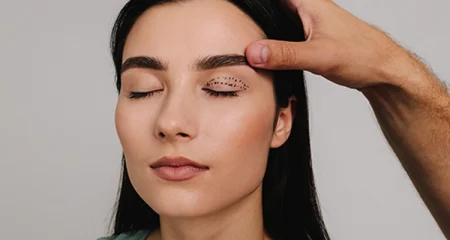
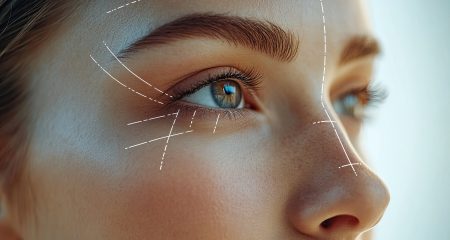
The operation begins with a detailed assessment of lower-eyelid anatomy, fat distribution, skin quality, cheek support, and eyelid tone. The surgeon determines whether treatment should be performed from inside the eyelid or through an external incision beneath the eyelashes.
During lower blepharoplasty, prominent fat may be reduced, repositioned, or preserved depending on the contour problem. Fat repositioning can help fill the groove beneath an under-eye bag and create a smoother lid-cheek transition. When excess skin is present, a carefully measured amount may also be removed.
Additional support procedures can sometimes be added when the lower eyelid is lax or at risk of postoperative malposition. The operation is tailored to the structures that actually require correction rather than treating every lower eyelid in the same way.
Who Is a Good Candidate for Lower Blepharoplasty?
Suitable candidates generally have persistent under-eye bags, lower-eyelid puffiness, contour irregularity, or age-related skin laxity that cannot be adequately improved with non-surgical treatment.
Good candidates should also have realistic expectations and adequate general health for surgery. Eye health is particularly important because dry-eye symptoms, previous eye surgery, eyelid laxity, thyroid-related eye changes, and certain ophthalmic conditions can influence planning.
Chronological age alone does not determine suitability. Some people develop genetically prominent lower-eyelid bags at a relatively young age, while others develop changes later through aging. Anatomy, eyelid support, skin quality, and overall facial balance matter more than age by itself.
What Concerns Can Lower Blepharoplasty Treat?
Lower blepharoplasty can address a range of concerns, including under-eye bags, bulging lower-eyelid fat, mild skin laxity, lower-eyelid wrinkles related to excess skin, and uneven transitions between the eyelid and cheek.
It may also improve certain forms of lower-eyelid asymmetry when fat distribution or skin excess differs between sides. A deep tear trough can sometimes be softened when existing fat is repositioned instead of removed.
The procedure is less effective for true pigmentation, vascular dark circles, significant cheek descent, or fine surface wrinkles that are not caused by loose skin. These problems should be distinguished from structural lower-eyelid aging before surgery is planned.
What Are the Benefits of Lower Blepharoplasty?
One of the main benefits is a smoother, less puffy under-eye contour. By addressing the relationship between bags, hollows, and lower-eyelid skin, the procedure can make the eye area appear more rested without changing the person’s natural eye shape.
Another benefit is the ability to customize treatment. Fat can be preserved or repositioned when volume is useful, while skin can be adjusted conservatively when laxity is present. This flexibility helps avoid the overly hollow appearance associated with aggressive tissue removal.
Long-term results can also be durable because surgically corrected fat prominence and excess skin do not simply return immediately. Natural aging continues, however, so changes in skin, fat, and cheek support can still develop over time.
Lower Blepharoplasty for Under-Eye Bags
Under-eye bags are commonly caused by fat compartments becoming more prominent beneath the lower eyelid. Genetics, tissue support, and aging all influence how visible these bulges become.
Lower blepharoplasty for under-eye bags can reduce the contrast between the bulging fat and surrounding tissues. In some patients, a limited amount of fat is removed. In others, the fat is repositioned into the nearby tear-trough area to create a smoother contour.
The best approach depends on whether the patient also has hollowing. Removing too much fat from someone who already has a deep tear trough can make the eyes look more sunken. Volume preservation is therefore an important part of modern surgical planning.
Lower Blepharoplasty for Dark Circles
Dark circles can have several different causes, including pigmentation, thin skin, visible blood vessels, tear-trough hollowing, and shadowing from under-eye bags.
Lower-eyelid surgery may help when the darkness is caused mainly by structural shadowing. If a prominent bag sits above a hollow groove, smoothing that transition can reduce the shadow and make the area appear brighter.
However, surgery cannot fully correct true brown pigmentation or every vascular cause of dark circles. Skin-focused or pigment-specific treatments may be more appropriate in those situations. Identifying the exact cause is essential before expecting surgery to improve discoloration.
What Are the Different Lower Blepharoplasty Techniques?
Different techniques are used depending on whether the main concern involves fat, skin, support, or several structures at once. The most common approaches include transconjunctival surgery, transcutaneous surgery, fat repositioning, limited fat removal, and selected eyelid-support procedures.
A transconjunctival approach works from inside the eyelid and avoids an external skin incision. It is often useful when fat bags are the main problem and significant skin removal is unnecessary.
A transcutaneous approach uses an incision just below the eyelashes and provides access to skin, muscle, fat, and support structures. It may be more appropriate when lower-eyelid skin laxity needs direct treatment. The technique should match the anatomy rather than the patient’s preference for one incision alone.
Transconjunctival vs. Transcutaneous Lower Blepharoplasty
A transconjunctival lower blepharoplasty uses an incision on the inner surface of the lower eyelid. Because there is no external skin incision, this approach can be useful in patients with prominent fat bags but relatively good skin quality.
A transcutaneous approach uses an external incision near the lash line. This allows treatment of excess skin and, when necessary, additional muscle or support structures. The scar is usually positioned close to the natural lower-eyelid margin so that it can become relatively inconspicuous as it matures.
Neither method is automatically better. Younger patients with good skin elasticity may be more suited to an internal approach, while patients with meaningful skin laxity may benefit from external access. Eyelid tone, cheek anatomy, and previous surgery also influence technique selection.
How to Prepare for Lower Blepharoplasty
Preparation begins with a review of medical history, eye symptoms, medications, supplements, allergies, previous facial surgery, and any history of dry eyes or visual problems.
Patients may receive instructions regarding medications that can affect bleeding, smoking, alcohol, contact lenses, skincare, and fasting before anesthesia. Medication changes should only be made under medical guidance.
Preoperative photographs and examination of eyelid support are also important. The surgeon may evaluate lower-eyelid tone, eye prominence, tear production, and brow-cheek relationships. Preparing cold compresses, arranging transportation, and planning time away from highly visible social activities can also make recovery more manageable.
Lower Blepharoplasty Prices 2026
Lower Blepharoplasty Prices 2026 vary according to the surgical technique, anesthesia, geographic location, treatment complexity, and whether additional procedures are performed at the same time.
Lower Blepharoplasty Recovery Process
The lower blepharoplasty recovery process commonly includes swelling, bruising, tightness, tenderness, and temporary changes in sensation. Swelling can be more noticeable beneath the eyes and may extend toward the cheeks.
What to Expect After Lower Blepharoplasty
Immediately after surgery, the lower eyelids may appear swollen, bruised, and tighter than usual. If fat repositioning has been performed, the under-eye region may initially look fuller before swelling decreases.
Frequently Asked Questions
Is lower blepharoplasty painful?
Discomfort after lower eyelid surgery is usually described more as tightness, tenderness, pressure, or irritation than severe pain. Appropriate anesthesia is used during the procedure, so pain is controlled while surgery is being performed.
How long does lower blepharoplasty take?
A straightforward lower-eyelid procedure often takes approximately one to two hours, although surgical time varies according to the technique and extent of correction.
Are you awake during lower blepharoplasty?
The anesthesia approach depends on the surgical plan, patient comfort, medical history, and whether other procedures are being performed.
How long does recovery take after lower blepharoplasty?
Visible bruising and swelling commonly improve substantially during the first two to three weeks, although the lower eyelids may continue to look mildly puffy or feel firm for longer.