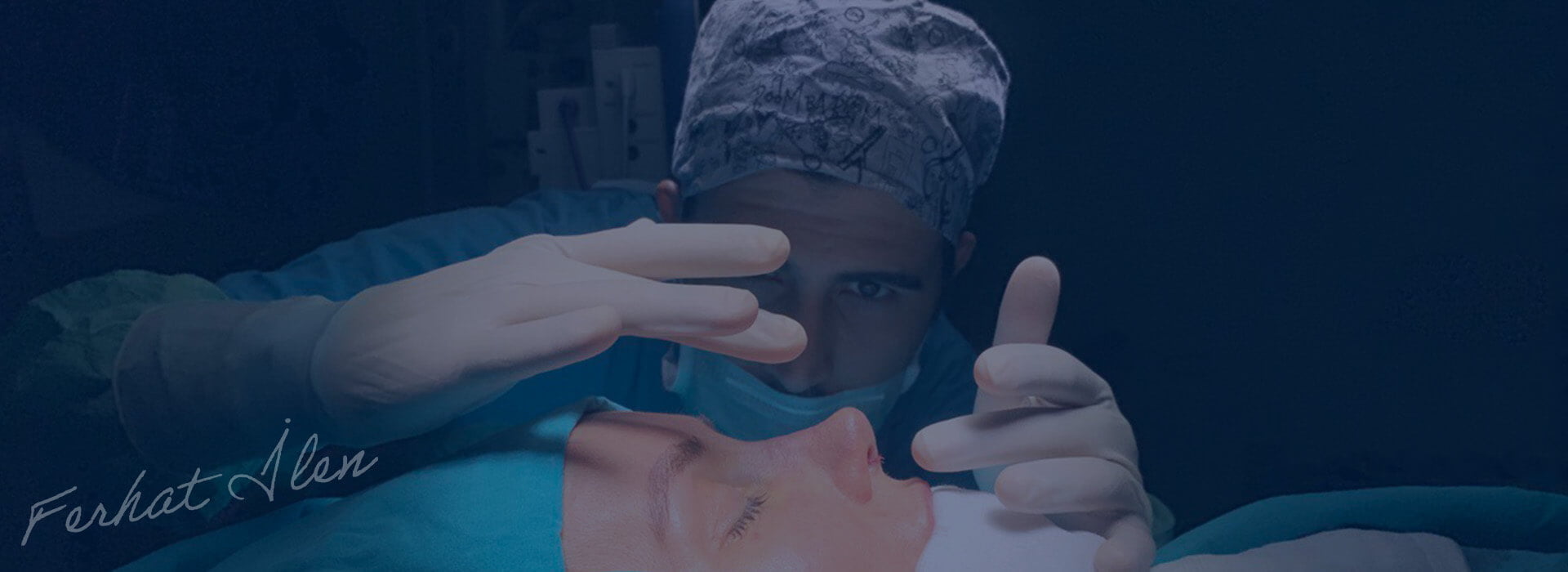

What Is Primary Rhinoplasty?
A first-time surgical procedure that reshapes or functionally corrects the nose is known as primary rhinoplasty. It can modify nasal bone, cartilage, skin, or internal supporting structures according to individual needs. The procedure may address visible concerns, breathing difficulties, or both. Changes can involve the bridge, tip, nostrils, width, projection, or overall nasal proportions. Because no previous nasal operation has occurred, the original anatomy is generally preserved.
Treatment planning depends on facial proportions, nasal structure, skin thickness, and functional requirements. Cosmetic changes usually aim to create better balance with surrounding facial features. Functional corrections may improve airflow when structural problems affect breathing. Results develop gradually because swelling can hide smaller changes during early recovery. Healing characteristics and cartilage strength also influence the final appearance. Each operation therefore requires an individual plan based on existing anatomy and realistic treatment goals.
Why Is Primary Rhinoplasty Performed?
Appearance concerns, breathing difficulties, structural irregularities, or previous injuries may lead someone to consider their first nasal operation. Cosmetic primary rhinoplasty can address concerns involving the bridge, nasal tip, nostrils, width, or overall proportions. Some people seek better facial balance without dramatically changing their natural features. Others experience airflow problems caused by internal structural differences. Trauma may also affect both nasal appearance and function.
Cosmetic and functional concerns can sometimes be treated during the same operation. Structural correction may improve support when weakened or uneven areas affect breathing. The procedure can also address natural asymmetry when appropriate. Treatment goals should reflect existing anatomy rather than a standard nasal shape. Not every visible difference requires surgical correction. Skin thickness, cartilage structure, breathing function, facial proportions, and personal expectations influence planning. The reason for surgery ultimately determines which structures require adjustment.
Who Is a Good Candidate for Primary Rhinoplasty?
People with developed facial structures, suitable general health, and realistic expectations may be candidates for their first nasal surgery. Those considering primary rhinoplasty may have cosmetic concerns, breathing difficulties, structural differences, or changes following an injury. Nasal growth should generally be sufficiently complete before elective cosmetic correction. The desired changes should also remain compatible with the person’s natural facial proportions.
General health influences surgical suitability and recovery. Certain medical conditions, medications, smoking habits, or healing problems can affect the treatment plan. Emotional readiness is particularly important when appearance is the main reason for surgery. Expectations should focus on realistic improvement rather than perfect symmetry. Existing breathing function should also be considered before changing nasal structures. Individual suitability depends on anatomy, skin characteristics, cartilage strength, health, age, and treatment goals. A first operation should be planned with both current needs and long-term structural stability in mind.
What Can Primary Rhinoplasty Correct?
Visible nasal differences and certain structural breathing problems can be addressed through primary rhinoplasty when appropriate for individual anatomy. The procedure may reduce or reshape a prominent bridge. Nasal width, projection, and overall proportions can also be adjusted. Tip concerns may include excessive projection, drooping, asymmetry, or limited definition. Nostril size or shape can sometimes be modified when necessary.
Structural correction may also address problems affecting nasal airflow and support. A nose changed by previous trauma can require both cosmetic and functional adjustments. Natural asymmetry may be reduced, although perfect symmetry cannot be guaranteed. The operation can combine several changes when they remain structurally compatible. Skin thickness and cartilage strength influence how clearly certain refinements become visible. Not every concern requires extensive reshaping. The appropriate corrections depend on facial proportions, nasal anatomy, breathing function, and realistic goals for the final appearance.
How Is Primary Rhinoplasty Performed?
After nasal anatomy is assessed, primary rhinoplasty is performed by reshaping selected bone, cartilage, and supporting structures according to the surgical plan. Access may be created through internal incisions or combined internal and external incisions. The chosen approach depends on the amount and location of correction required. Cartilage can be reduced, repositioned, reshaped, or reinforced. Nasal bones may also be adjusted when width or alignment requires correction.
Functional structures can be treated during the same operation when breathing problems are present. Additional cartilage support may be used when specific areas require reinforcement. Once structural changes are complete, tissues are repositioned and incisions are closed. A splint may support and protect the nose during early healing. Temporary internal supports can also be used when necessary. Swelling develops after surgery and gradually decreases. Final definition appears progressively as the nasal tissues heal and settle.
How Should You Prepare for Primary Rhinoplasty?
Medical history, medications, smoking habits, expectations, and nasal function should be carefully reviewed before primary rhinoplasty. Previous injuries and existing breathing problems can influence surgical planning. Current medications and supplements may affect bleeding or healing. They should not be stopped or changed without appropriate medical guidance. General health conditions should also be considered before elective surgery.
Preparation includes understanding the expected recovery period and arranging enough time for early healing. Smoking can reduce blood flow and interfere with tissue recovery. Alcohol may also require restriction around the surgical period. The desired nasal changes should remain realistic and compatible with facial proportions. Practical preparation can include arranging transportation and creating a comfortable recovery environment. Activities involving physical strain may need temporary adjustment. Knowing that swelling can persist for months also helps establish realistic expectations about when the final appearance becomes visible.
How Long Does Primary Rhinoplasty Take?
The operation commonly takes several hours, although primary rhinoplasty duration varies according to technique and the complexity of required corrections. Smaller structural changes may require less time than extensive reshaping. Open approaches can involve additional steps when detailed access to cartilage is necessary. Functional correction may also extend the procedure when internal breathing structures require treatment.
Bone repositioning, cartilage grafting, and complex tip work can increase operating time. The number of nasal areas being changed also influences duration. Anaesthesia preparation and postoperative monitoring are separate from the surgical time itself. First-time surgery may provide more predictable access because previous surgical scar tissue is absent. However, natural anatomy can still make some procedures technically complex. Operating time alone does not determine the quality of the outcome. The final duration depends on anatomy, surgical approach, functional requirements, and the extent of planned structural correction.
What Is the Recovery Process After Primary Rhinoplasty?
Early healing often includes swelling, congestion, tenderness, and bruising, while primary rhinoplasty recovery continues gradually for several months. A nasal splint may remain in place during the initial period. Bruising can appear around the eyes, depending on the structural work performed. Internal swelling may temporarily make breathing feel restricted. These effects generally improve progressively rather than disappearing at once.
Daily activities can usually resume gradually as discomfort and visible swelling decrease. The nose remains sensitive to pressure and accidental impact during early healing. Internal tissues continue recovering after the external appearance becomes more normal. Nasal tip swelling often lasts longer than swelling around the bridge. Small refinements can continue appearing for many months. Recovery speed depends on skin thickness, surgical complexity, and individual healing characteristics. The final stage occurs when deeper tissues stabilize and most residual swelling has resolved.
How Long Do Swelling and Bruising Last After Primary Rhinoplasty?
Visible bruising usually improves within several weeks, while swelling after primary rhinoplasty can continue decreasing for many months. Bruising is commonly more noticeable around the eyes during early recovery. Its color and intensity gradually change as healing progresses. Swelling is generally strongest during the first days. The nasal tip often remains swollen longer than the bridge.
Skin thickness can significantly influence how quickly definition becomes visible. More extensive bone or cartilage changes may also produce longer-lasting swelling. Physical exertion and heat can temporarily make puffiness more noticeable. Minor differences in swelling between both sides can occur during healing. Even when bruising disappears, deeper tissues may still be recovering. Residual swelling does not necessarily indicate a problem with the result. Final nasal definition becomes easier to assess after the tissues have had sufficient time to settle.
What Should You Avoid After Primary Rhinoplasty?
Heavy exercise, nasal pressure, smoking, accidental impacts, and activities that increase swelling should be limited during early recovery. During recovery after primary rhinoplasty, bending and heavy lifting can increase pressure around the face. Contact sports create additional risk because healing nasal structures remain vulnerable. Glasses may require special consideration when they rest directly on the nasal bridge. Hot environments can also temporarily increase swelling.
Smoking can interfere with blood circulation and tissue healing. Alcohol may contribute to swelling during the early recovery period. Nose blowing can create unwanted pressure inside healing nasal passages. Sleeping face down may place direct pressure on recently treated structures. Strong sunlight can make temporary skin changes or external scars more noticeable. Physical activities should return gradually rather than immediately. Restrictions depend on the extent of surgery, healing progress, and the specific nasal structures that were changed.
When Are Primary Rhinoplasty Results Visible?
Early changes appear as initial swelling decreases, but primary rhinoplasty results usually become increasingly defined over several months. The nasal bridge may settle earlier than the tip. Residual swelling can temporarily hide smaller refinements and subtle contour changes. This effect may be more noticeable in people with thicker nasal skin. Early appearance should therefore not be considered the final result.
Definition continues developing as internal tissues heal and adapt to their new positions. Small changes may remain noticeable for a year or sometimes longer. Tip refinement often takes additional time because swelling commonly persists in this area. Healing speed depends on skin characteristics, surgical complexity, and individual tissue response. Minor asymmetries can also appear temporarily while swelling resolves unevenly. The most reliable assessment becomes possible after residual swelling has substantially decreased and the nasal structures have stabilized.
Frequently Asked Questions
What Are the Risks of Primary Rhinoplasty?
Bleeding, infection, breathing changes, scarring, asymmetry, and altered sensation are possible complications associated with primary rhinoplasty. Temporary swelling, bruising, congestion, and numbness are expected during early healing. Some people may experience persistent contour irregularities after swelling has resolved. Structural changes can occasionally affect airflow or nasal support. External scar appearance can also vary when an open approach is used.
Are Primary Rhinoplasty Results Permanent?
Structural changes are generally long-lasting, although primary rhinoplasty results can continue evolving as the nose and surrounding tissues naturally age. Bone and cartilage that heal in their corrected positions usually maintain substantial structural change. However, skin quality, cartilage characteristics, and facial tissues can change gradually over time. These natural changes do not necessarily mean the original correction has reversed.
Is Primary Rhinoplasty Painful?
Severe pain is not typically the main complaint, while primary rhinoplasty discomfort more commonly involves pressure, tenderness, congestion, and facial sensitivity. Anaesthesia prevents pain from being felt during the operation itself. Discomfort can become more noticeable after anaesthesia wears off. Internal swelling may create pressure or a blocked sensation. Bruising around the eyes can also contribute to temporary sensitivity.
What Is the Best Age for Primary Rhinoplasty?
There is no universal ideal age, but facial and nasal development should generally be sufficiently complete before elective correction. The appropriate age for primary rhinoplasty depends on physical development, general health, emotional maturity, and treatment goals. Chronological age alone cannot confirm whether facial growth has finished. Younger individuals therefore require careful consideration before permanent structural changes are planned.
How Long Does Primary Rhinoplasty Recovery Take?
Visible healing often progresses within several weeks, although complete primary rhinoplasty recovery can continue for many months. Bruising, congestion, tenderness, and noticeable swelling are usually strongest during the early stage. These effects gradually decrease as tissues heal. Many everyday activities can resume before the deeper nasal structures have completely stabilized. External appearance therefore does not always reflect internal recovery.
When Can You Return to Work After Primary Rhinoplasty?
Many people can resume nonphysical work within one or two weeks, depending on swelling, bruising, comfort, and job requirements. The timing of returning to work after primary rhinoplasty also depends on how physically demanding the workplace is. Desk-based duties usually allow an earlier return than jobs involving lifting or repeated bending. Visible bruising may influence personal comfort when returning to public settings.
When Can You Exercise After Primary Rhinoplasty?
Gentle movement may resume relatively early, while exercise after primary rhinoplasty should return gradually as swelling decreases and nasal structures heal. Light walking generally creates less physical strain than running or weight training. Strenuous exercise can increase blood pressure and temporarily worsen facial swelling. Heavy lifting also creates additional pressure during the early healing period.
Contact sports usually require a longer restriction because accidental impact can damage the recovering nose. Swimming may also need to wait until healing has progressed sufficiently. Exercise intensity should increase in stages rather than returning immediately to previous levels. Heat and heavy sweating can make swelling more noticeable. Even when the nose feels comfortable, deeper structures may still be healing. The appropriate timeline depends on surgical complexity, individual recovery, and the type of physical activity being considered.