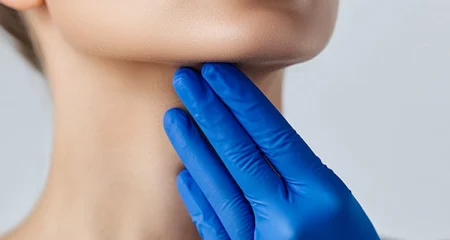


What Is a Revision Neck Lift?
A revision neck lift is a secondary neck rejuvenation procedure performed after a previous neck lift when recurrent aging, residual concerns, asymmetry, scarring, or an unsatisfactory contour needs further correction. Unlike primary surgery, revision treatment must account for scar tissue, altered anatomy, previous fat removal, existing incisions, and changes made to the platysma and other neck structures.
Some patients seek revision relatively early because a specific concern remains after the original operation. Others return many years later because natural aging has gradually produced new skin and tissue laxity.
Revision surgery is highly individualized. The goal is not necessarily to repeat the original neck lift but to identify the remaining anatomical problem and correct it as conservatively and predictably as possible.
Reasons Patients Consider a Secondary Neck Lift
Patients consider a secondary neck lift for many different reasons. Recurrent skin laxity, persistent neck bands, residual submental fullness, poorly defined jawline contours, asymmetry, or visible scars can all lead to further treatment.
Natural aging is another important reason. Even a successful first neck lift cannot stop future changes in skin, fat, muscle, and connective tissues.
Some revision procedures address relatively minor concerns, whereas others require extensive reconstruction of previously operated tissues. The reason for revision therefore strongly influences surgical complexity.
Common Problems After Previous Neck Lift Surgery
Concerns after previous neck surgery can include recurrent loose skin, visible platysma bands, residual fat, excessive fat removal, contour depressions, scar irregularities, and asymmetry.
Patients may also notice persistent fullness beneath the chin or incomplete definition between the jaw and neck.
Not every concern represents a surgical failure. Swelling, firmness, numbness, and temporary asymmetry can persist for months after primary surgery. Adequate healing time is important before deciding that another operation is necessary.
Ideal Candidates for Revision Neck Lift Surgery
Potential candidates have a clearly identifiable concern that can reasonably be improved through another surgical procedure.
Good general health, stable weight, realistic expectations, and appropriate healing from previous surgery are important. Nicotine exposure can significantly affect circulation and wound healing and should be discussed with the surgeon.
Revision candidates require particularly careful evaluation because additional surgery does not automatically guarantee perfection. The potential improvement must justify the increased complexity of operating through previously treated tissues.
Correcting Recurrent Neck Skin Laxity
Neck skin can gradually loosen again as aging continues after the first operation.
When recurrent laxity is significant, revision surgery may involve releasing previous scar tissue, repositioning underlying structures, redraping the skin, and conservatively removing excess tissue.
The amount of skin that can safely be removed depends on tissue quality, existing scars, circulation, and tension. Excessive tightening should be avoided because it can distort scars or create an unnatural appearance.
Improving Persistent Platysma Bands After a Neck Lift
Persistent or recurrent platysma bands may occur even after previous neck rejuvenation.
Revision treatment depends on the original procedure and the current pattern of muscle laxity. The surgeon may consider medial platysma correction beneath the chin, lateral repositioning, or another muscle-focused approach.
Previous sutures and scar tissue can make the normal muscular planes less distinct. Careful dissection is therefore particularly important during secondary platysma surgery.
Restoring Jawline Definition with Revision Surgery
A revision neck lift can improve jawline definition when recurrent tissue descent, residual neck fullness, or platysma laxity obscures the mandibular border.
Correction may involve tissue repositioning, selective fat management, muscle tightening, or skin redraping.
The surgeon should also determine whether the concern originates above the jawline. Significant jowls are primarily a lower-face issue and may require facelift treatment rather than additional neck surgery alone.
Treatment Options for Residual Fat Under the Chin
Persistent fullness beneath the chin can sometimes result from residual superficial fat that was conservatively treated during the first operation.
Selected patients may benefit from limited liposuction or direct fat reduction. However, fullness can also arise from deeper anatomical structures rather than removable superficial fat.
Revision treatment should be conservative. Previously operated necks may have fibrosis and irregular tissue thickness, increasing the risk of contour depressions after aggressive fat removal.
Managing Neck Asymmetry After Previous Surgery
Some degree of natural asymmetry exists before surgery, but differences can become more noticeable after neck contouring.
Revision planning should identify whether the asymmetry results from skin, fat, platysma position, scar tissue, swelling, or underlying skeletal differences.
Correction may involve different treatment on each side. Perfect symmetry cannot be guaranteed, particularly when previous surgery has created different scar patterns across the neck.
Scar Improvement During Revision Neck Lift
Existing scars may sometimes be revised during secondary neck surgery, particularly if they are widened, irregular, displaced, or conspicuous.
A surgeon may remove part of an unfavorable scar and create a new closure with improved positioning or reduced tension.
Scar revision cannot make a surgical scar disappear completely. Genetics, skin characteristics, circulation, incision position, tension, sun exposure, and postoperative care influence how the new scar matures.
Surgical Techniques Used in Secondary Neck Rejuvenation
There is no single standardized technique for every secondary neck lift.
Revision surgery may include skin redraping, scar release, platysmaplasty, lateral platysma repositioning, selective liposuction, direct fat treatment, scar revision, or correction of contour irregularities.
Previous operative reports can be useful because they help the surgeon understand which tissues were previously released, tightened, removed, or repositioned. Surgical planning is based on current anatomy rather than simply repeating the first operation.
Revision Neck Lift vs. Primary Neck Lift
A primary neck lift is performed on tissues that have not previously undergone neck-lifting surgery. Anatomical planes are generally more predictable.
Revision surgery involves scar tissue and altered tissue relationships. Blood supply, skin thickness, fat distribution, platysma position, and normal dissection planes may all have changed.
For these reasons, a revision neck lift can be technically more demanding even when the visible correction appears relatively limited.
The Best Time to Consider a Second Neck Lift
Timing depends on why revision is being considered.
When the concern relates to early swelling, firmness, scar maturation, or temporary asymmetry, waiting can allow the problem to improve without another operation. Neck tissues can continue settling for many months.
If revision is required because of a complication, timing may be different. The appropriate interval should therefore be determined by the nature of the problem, tissue condition, and medical assessment rather than a universal waiting period.
Combining Revision Neck Lift with Platysmaplasty
Revision neck lifting can be combined with platysmaplasty when muscle laxity or persistent neck bands contribute to the problem.
The surgeon may address central separation, lateral laxity, or both depending on the anatomy and previous surgery.
Muscle correction should be planned carefully because excessive tightening can create abnormal tension or visible contour changes. The objective is a smoother supporting layer rather than an unnaturally rigid neck.
Revision Neck Lift with Facelift Surgery
A revision neck lift can be combined with facelift surgery when recurrent aging affects both the lower face and neck.
Treating only the neck may not adequately correct jowls or descended facial tissues above the mandibular border. Similarly, treating only the face may leave significant neck laxity untreated.
Combined surgery can create better continuity across the jawline, but it also increases surgical extent and requires an individualized assessment of previous incisions and tissue planes.
Revision Neck Lift Prices 2026
Revision Neck Lift Prices 2026 can vary considerably because secondary neck surgery ranges from a relatively limited correction to complex reconstruction after multiple previous procedures. Revision surgery may also cost more than primary treatment when extensive scar tissue, distorted anatomy, or multiple unresolved concerns require additional operating time.
Frequently Asked Questions
Preparing for Secondary Neck Lift Surgery
Preparation begins with a detailed examination of skin laxity, platysma position, scars, fat distribution, jawline contour, asymmetry, and previous surgical changes.Patients should provide information about all previous facial and neck procedures. Operative reports and before-and-after photographs can be particularly valuable when available.
Revision Neck Lift Recovery and Healing Stages
Early recovery commonly involves swelling, bruising, tightness, numbness, and tenderness. A compression garment or specific dressing may be recommended depending on the procedure.During the following weeks, visible bruising generally decreases while the tissues gradually soften. Swelling may resolve unevenly, temporarily creating asymmetry.
Swelling, Bruising, and Tightness After Revision Surgery
Swelling is usually most noticeable during early recovery and progressively improves over the following weeks.Bruising often resolves sooner than deeper swelling and firmness. Tightness can remain longer when the platysma or deeper supporting tissues have been repositioned.
Returning to Work and Normal Activities
Many patients undergoing substantial revision neck surgery plan approximately two to three weeks before returning to highly visible work or social activities.Less extensive corrections may allow an earlier return, while combined revision facelift and neck lift surgery can require additional recovery.
When Final Revision Neck Lift Results Appear
Early improvement becomes visible as major swelling decreases, but a revision neck lift should not be judged during the first few weeks.Jawline and neck contours become progressively clearer over several months as inflammation resolves and scar tissue softens.
Factors That Affect the Longevity of Revision Neck Lift Results
Revision neck lift results can last for many years, but surgery cannot permanently stop aging.
Possible Risks and Complications of Secondary Neck Lift Surgery
Expected temporary effects include swelling, bruising, numbness, tenderness, tightness, firmness, and temporary asymmetry.