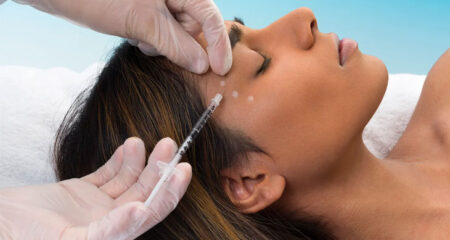


What is a Facelift?
With the aging process, loss of skin elasticity, decreased collagen production, and weakening of the connective tissues supporting the face can result in sagging, deep wrinkles, and noticeable changes in facial contours. A facelift (or rhytidectomy) is a surgical procedure performed to reduce these signs of aging and give the face and neck area a younger, more dynamic, and natural appearance.
The primary goal of a facelift is not simply to remove excess skin. Modern surgical techniques also reshape the underlying supporting tissues, preserving the natural anatomy of the face. This aims to achieve a more youthful and balanced appearance without altering facial expressions.
Who is a suitable candidate for a facelift?
A facelift may be considered for suitable candidates who have significant skin laxity in the face and neck area and who could benefit from surgical treatment.
This might be a suitable option for the following people:
- Individuals with moderate to severe facial sagging
- Individuals who have lost the definition of their jawline
- People who have sagging skin or a double chin in the neck area.
- Patients in whom skin elasticity has been preserved to a certain extent.
- Adults whose general health condition is suitable for surgery
- People with realistic expectations
Chronological age alone is not the determining factor. The decision for surgery is made based on the individual’s skin type, facial anatomy, and the degree of signs of aging.
What problems can a facelift help correct?
A facelift can help correct many aesthetic changes that occur due to aging.
The main changes that could be targeted as part of the operation are as follows:
- Reducing sagging in the cheek area.
- Making the jawline more prominent
- Correcting sagging in the neck area.
- Reducing the appearance of a double chin.
- Reshaping the lower facial contour
- Reducing the appearance of deep nasolabial folds.
- Creating a more balanced and youthful facial profile.
A facelift does not aim to completely eliminate fine lines and wrinkles. If necessary, it can be combined with skin rejuvenation, fat grafting, or other aesthetic procedures.
How is a facelift performed?
A facelift is a surgical procedure planned according to the patient’s needs and is usually performed under general anesthesia.
The surgeon plans the incisions as close to the hairline as possible and along the natural creases around the ears. Then the skin is carefully lifted, the deep tissues supporting the face are repositioned, and excess skin is removed where necessary.
The goal of modern facelift techniques is not just to tighten the skin, but to reshape the tissues that support the face’s natural anatomy, achieving longer-lasting and more natural results.
Depending on the scope of the operation, the procedure time can generally range from 2 to 5 hours .
Pre-Facelift Assessment
A thorough preliminary assessment is necessary for a successful facelift surgery.
During the examination, the following criteria are usually examined:
- Skin elasticity
- Face and neck anatomy
- Degree of sagging
- Jawline
- Neck contour
- General health status
- Medications used
- Smoking
- Previous cosmetic surgeries
- The patient’s aesthetic expectations
Based on this assessment, a personalized surgical plan is created.
What should be considered before a facelift surgery?
The preparation process before surgery is crucial for both surgical safety and recovery.
In general, the following recommendations can be made:
- Smoking and tobacco products should be stopped a few weeks before the surgery, if possible.
- Blood-thinning medications and supplements should be evaluated under the supervision of a doctor.
- Providing the surgeon with detailed information about existing medical conditions.
- Paying attention to healthy eating.
- Planning for the post-operative recovery period.
Discontinuing or changing medications should only be done on the advice of a doctor.
Recovery Process After Facelift Surgery
The recovery process after a facelift can vary depending on the surgical technique used, the extent of the procedure, and the individual’s healing rate. Swelling, bruising, a feeling of tightness, and mild pain are expected in the first few days. These symptoms usually decrease over time in most patients.
For a healthy recovery process, it is important to follow the care instructions recommended by the doctor, not miss follow-up appointments, and protect the face from blows.
First 24 Hours
The following symptoms may be observed in the first few days after the operation:
- Mild or moderate edema
- Bruising
- Feeling of tension
- Mild pain
- Sensitivity in the facial area
In the first few days, it is recommended to keep the head elevated, get enough rest, and take the prescribed medications regularly.
In some patients, a short-term drainage placement may be performed depending on the surgeon’s preference.
First Week
Swelling and bruising will gradually decrease during the first week.
During this process;
- Initial check-up examinations are performed.
- Bandages or dressings are evaluated by a doctor.
- Light daily activities can be performed.
- Facial contours gradually begin to become more defined.
Most patients begin to feel more comfortable by the end of this period.
First Month
Significant progress is made in the recovery process during the first month.
During this period;
- The swelling will decrease significantly.
- The bruises will disappear.
- The face begins to look more natural.
- The jawline and neck contour become more defined.
- Returning to social life becomes more comfortable.
However, it may take longer for the tissues to heal completely.
When Will Face Lift Results Be Visible?
Although a noticeable change may be observed in the early post-operative period, the swelling necessitates a complete healing process to assess the true outcome.
Generally;
- The swelling gradually decreases in the first few weeks.
- Facial contours begin to become clearer within the first few months.
- The tissues adapt to their new location.
- Final results are evaluated in most patients within 6 to 12 months .
Recovery time can vary depending on the individual’s skin type and the surgical technique used.
Will there be scars after a facelift?
In facelift surgery, incisions are planned as much as possible within the natural creases of the skin, in front of and behind the ears, and along the hairline.
This helps to minimize the visibility of any scars that may form after the operation.
The prominence of the marks;
- Surgical technique,
- Skin structure,
- Wound healing properties,
- Postoperative care
This can vary depending on factors such as those mentioned.
As healing progresses, scars become less noticeable in most patients.
What precautions should be taken after a facelift?
Postoperative care is a crucial step in supporting both the healing process and maintaining the aesthetic outcome.
In general, it is recommended to pay attention to the following suggestions:
- Sleeping with your head elevated during the first few days.
- To protect the face from blows.
- Avoiding strenuous exercise for a certain period of time.
- Using medications regularly as prescribed by your doctor.
- Avoiding cigarettes and tobacco products.
- Sun protection
- Follow skincare recommendations.
- Don’t miss your check-up appointments.
Personalized aftercare recommendations should always be determined by the surgeon who performed the operation.
How long do the effects of a facelift last?
While the results of a facelift can last for many years, the aging process cannot be completely stopped.
In general, the effects of the operation can last for a long time. However;
- Genetic factors,
- The aging process,
- Sun exposure,
- Smoking,
- Life style,
- Skin care habits
This can affect the long-term outlook for the results.
Maintaining healthy lifestyle habits and regular skincare can help preserve the achieved aesthetic results.
Can a facelift and neck lift be performed together?
Yes. Since facial and neck anatomy complement each other, in many patients a facelift can be planned together with a neck lift.
Thanks to this combined approach;
- The jawline may become more defined.
- Neck contour can be improved.
- The appearance of a double chin can be reduced.
- The transition between the face and neck can be made more balanced.
The need for a combined operation is evaluated based on the patient’s anatomical structure and aesthetic needs.
What are the risks of a facelift?
Like any surgical procedure, facelift surgery carries certain risks. While the operation is generally considered safe when performed by appropriate patient selection and an experienced surgical team, some complications can occur, as with all surgical procedures.
Although rare, possible risks include the following:
- Bleeding
- Infection
- Temporary numbness
- Swelling and bruising
- Delayed wound healing.
- Asymmetry
- The marks are more prominent than expected.
- Nerve injuries occur in very rare cases.
A thorough pre-operative assessment and adherence to post-operative care recommendations can help reduce the risk of complications.
Does facial expression change after a facelift?
One of the most frequently asked questions about facelift surgery is whether the facial expression will remain natural after the operation.
The goal of modern facelift techniques is not to over-tighten the face, but to reposition tissues that have shifted due to aging to a more anatomically appropriate position.
With proper planning;
- Natural facial expressions can be preserved.
- The facial expression doesn’t look artificial.
- A more vibrant and youthful appearance can be achieved.
- Efforts are made to preserve the person’s characteristic facial features.
Accurate surgical planning and assessment of facial anatomy are crucial in achieving a natural result.
Can a facelift be performed again?
While the results of a facelift can last for many years, the aging process naturally continues.
If skin laxity recurs over time, a second facelift may be considered for suitable candidates.
Whether another operation is needed;
- The stage of aging progression,
- Skin elasticity,
- General health status,
- The results of the first surgery,
- Patient expectations
It depends on many factors, such as these.
This assessment should be done on an individual basis after a detailed examination.
When can I return to social life after a facelift?
Most patients are able to return to their social lives and desk jobs approximately 10 to 14 days after surgery.
Return-to-work period;
- The scope of the surgery performed includes,
- Depending on the person’s recovery rate,
- Physical requirements of the profession
It may vary depending on the situation.
For jobs requiring intense physical activity and contact sports, it is recommended to wait for the period suggested by your doctor.
Should I quit smoking before a facelift?
Cigarettes and other tobacco products can negatively affect blood circulation, delaying wound healing and increasing the risk of complications.
Therefore, patients scheduled for a facelift are advised to quit smoking before the operation, if possible, and to refrain from smoking during the recovery period.
Since the time it takes to quit smoking varies from person to person, the surgeon’s recommendations should be followed.
What is the difference between a facelift and fillers and Botox?
Facelift surgery, fillers, and botulinum toxin injections are aesthetic treatments that serve different purposes.
Facelift surgery:
- It is a surgical procedure.
- It repositions the skin and deeper tissues.
- It aims to correct noticeable skin sagging.
- It can provide long-term results.
Filler applications:
- It is not surgery.
- It is applied to support volume loss.
- It specifically aims to add volume to certain areas of the face.
Botulinum toxin applications:
- It is applied to temporarily reduce the movement of facial muscles.
- It helps to reduce the appearance of dynamic wrinkles.
- Its effects last for a certain period and may require regular repetition.
The appropriate method should be determined based on the patient’s age, skin type, the degree of signs of aging, and their expectations.
Frequently Asked Questions
At what ages can a facelift be performed?
There is no strict age limit. The decision to have surgery is made based on skin type, degree of sagging, and overall health condition, rather than the person’s age.
Is a facelift painful?
Since the surgery is performed under general anesthesia, no pain is felt during the procedure. Any mild pain and tightness that may occur after the operation can be controlled in most patients with medication prescribed by their doctor.
How long does a facelift surgery take?
Depending on the scope of the procedures to be performed, the operation time can generally vary between 2 and 5 hours .
Is a facelift permanent?
The effects of the operation can last for many years. However, since the natural aging process continues, changes may occur in the skin again over time.
Will there be scarring after a facelift?
Because the incisions are planned within the natural creases of the hairline and around the ears, the visibility of the scars is minimized as much as possible.
Can a neck lift be performed in the same surgery?
Yes. In suitable patients, facelift and necklift surgeries can be planned together.
When can we return to daily life?
Most patients are able to return to their social lives in about 10 to 14 days . Recovery time may vary from person to person.
Does a facelift look natural?
The goal of modern surgical techniques is not to alter facial expressions, but to correct age-related sagging within natural anatomical limits.
Can a facelift be repeated?
Yes. As the aging process continues, a second facelift operation may be planned years later for suitable patients.
Does a facelift completely eliminate wrinkles?
A facelift primarily aims to correct sagging and changes in facial contour. While the appearance of fine wrinkles can be reduced, the goal is not to completely eliminate all wrinkles. If necessary, combination treatments with other skin rejuvenation procedures may be considered.