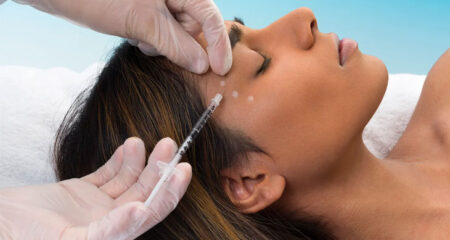


What is Facial Feminization Surgery (FFS)?
Facial feminization surgery (FFS) is a comprehensive set of personalized surgical procedures aimed at softening, balancing, and revitalizing facial features. This approach considers both the bone structure and soft tissues of the face to achieve a more harmonious overall facial expression.
FFS is not a single surgical procedure. Depending on the patient’s facial anatomy, aesthetic expectations, and needs, different surgical procedures can be planned in the same session or in stages.
The goal is not just to alter a specific area, but to create a natural and balanced look across the entire face. Therefore, the treatment plan is completely personalized for each patient.
Who is a suitable candidate for facial feminization surgery?
Facial feminization surgery may be considered for individuals who desire a more feminine appearance of their facial features and whose overall health is suitable for surgery.
This operation specifically;
- People with a more prominent forehead,
- Individuals who want to soften a sharp jawline,
- Individuals aiming to make their facial proportions more balanced,
- Patients who desire a feminine appearance in their eyebrows, nose, or chin structure,
- Adults with realistic expectations
It can be planned for.
Since each patient’s facial structure is different, the procedures to be applied are determined after a detailed examination.
What are the goals of facial feminization surgery?
The primary goal of facial feminization surgery is to create softer and more balanced facial features while preserving the natural anatomy of the face.
The changes that could be targeted as part of the operation include the following:
- A more balanced appearance of the forehead area.
- Adjusting eyebrow position
- Making the nose contour more harmonious with the face.
- Chin and jawline reshaping
- Bringing the cheekbones into harmony with facial proportions.
- Supporting the area around the lips and mouth.
- Hairline reshaping (in suitable patients)
Each procedure is planned taking into account the patient’s existing anatomical structure, and an effort is made to preserve the natural appearance.
What procedures can be performed within the scope of facial feminization surgery?
FFS may consist of a combination of different surgical procedures. Which procedures are necessary is determined according to the patient’s facial structure.
Commonly scheduled tasks include the following:
- Forehead shaping
- Reducing forehead prominence
- Bringing the hairline forward.
- Brow lift
- Nose surgery (Rhinoplasty)
- Chin reduction
- Chin reshaping
- Softening the jawline.
- Cheekbone shaping
- Lip lift
- Fat injection
- Soft tissue arrangements
Not all of these procedures need to be applied to every patient. The treatment plan is entirely individualized.
Pre-operative evaluation for facial feminization surgery.
Detailed facial analysis forms the basis of successful FFS planning.
During the examination;
- Facial proportions
- Bone structure
- Skin quality
- Forehead structure
- Nasal anatomy
- Chin and chin
- cheekbones
- hairline
- General health status
- Patient expectations
It is evaluated in detail.
When deemed necessary, photographic analysis and imaging techniques are used to create a personalized surgical plan.
How is Facial Feminization Surgery Performed?
Facial feminization surgery is a comprehensive surgical procedure typically performed under general anesthesia.
The procedures performed during the operation are carried out according to a predetermined plan. While one patient may only have interventions on the nose and chin area, another patient may have the forehead, hairline, eyebrows, cheekbones, and chin reshaped together.
During surgery;
- Bone structures can be reshaped.
- Soft tissues can be supported where deemed necessary.
- The aim is to make facial proportions more balanced.
- Techniques that preserve natural facial expressions are preferred.
The operation time varies depending on the number of procedures to be performed, but it usually takes between 3 and 8 hours .
Recovery Process After Facial Feminization Surgery
The recovery process can vary from person to person depending on the scope of the procedures performed.
The following symptoms may be observed in the first few days:
- Swelling
- Bruise
- Mild pain
- Feeling of tension
- Sensibility
These symptoms are a natural part of the expected recovery process and usually decrease significantly within the first few weeks for most patients.
Following your doctor’s recommendations after surgery, having regular check-ups, and protecting the face from blows can support the healing process.
First 24 Hours
Resting and following your doctor’s recommendations in the first few days after facial feminization surgery are important for a healthy recovery process.
The following situations are considered normal during this period:
- Mild or moderate swelling
- Bruise
- Feeling of tension
- Mild pain
- Sensitivity in operational areas
Keeping the head elevated, taking prescribed medications regularly, and protecting the surgical areas are recommended.
First Week
Swelling and bruising will gradually decrease during the first week.
During this process;
- The swelling on the face will gradually subside.
- Light daily activities can be performed.
- Initial check-up examinations are performed.
- The condition of the stitches is assessed.
- The recovery process is closely monitored.
Depending on the scope of the operation, the recovery process may take longer for some patients.
First Month
Within the first month, facial features will begin to become more defined. Although a significant portion of the swelling will have subsided, healing continues, particularly in areas where bone structures were manipulated.
During this period;
- Facial contours begin to look more natural.
- Most bruises disappear.
- Daily life becomes more comfortable.
- The tissues continue to adapt to their new anatomical structure.
A longer recovery period is needed to evaluate the final result.
When Will the Results of Facial Feminization Surgery Be Seen?
Although the first changes are noticeable early on after the operation, it takes time for the true results to become apparent due to swelling.
Generally;
- A significant reduction in swelling is observed within the first 2-3 weeks.
- Facial contours gradually become clearer over the first few months.
- Bone and soft tissue healing continues.
- Final results are evaluated in most patients within 6 to 12 months .
Recovery time can vary depending on the number of procedures performed and the individual’s biological healing rate.
What precautions should be taken after facial feminization surgery?
The post-operative care process is crucial for a healthy recovery.
In general, it is recommended to pay attention to the following suggestions:
- Resting with your head elevated during the first few days.
- Using medications prescribed by your doctor regularly.
- Protecting operational areas from strikes.
- Avoiding cigarettes and tobacco products.
- Taking a break from strenuous exercise for a certain period of time
- Eating a healthy and balanced diet
- Drink plenty of fluids.
- Don’t miss your check-up appointments.
Personalized aftercare recommendations should always be determined by the surgeon who performed the operation.
Are the results of facial feminization surgery permanent?
Anatomical changes made to the bone and soft tissues as part of facial feminization surgery are generally permanent.
However, as the natural aging process continues, age-related changes may occur in the skin and soft tissues over the years.
Healthy lifestyle habits, regular skincare, and following your doctor’s recommendations can help maintain the aesthetic results for many years.
Can Facial Feminization Surgery be Performed in Conjunction with Rhinoplasty?
The nose is one of the important anatomical structures for the overall balance of the face. Therefore, in suitable patients, rhinoplasty can be planned during the same operation as part of facial feminization surgery.
The aim of the combined approach is;
- To make facial proportions more balanced,
- To make the nose contour harmonious with other facial features,
- Planning a single recovery process,
- The goal is to achieve a more holistic aesthetic result.
Whether or not a joint operation will be planned is determined based on the patient’s overall health condition, the scope of the surgery, and the doctor’s assessment.
Can Facial Feminization Surgery Be Performed in a Single Session?
In many patients, facial feminization surgery can be performed in a single session.
Performing multiple procedures during the same operation;
- A single anesthesia procedure,
- The only recovery period,
- Holistic assessment of facial proportions.
It can provide advantages such as these.
However, in extensive surgeries or depending on the patient’s health condition, procedures may be planned in two separate sessions.
Each treatment plan is tailored to the individual, and the duration and scope of the operation are determined accordingly.
When can one return to social life after facial feminization surgery?
The time it takes to return to social life can vary depending on the scope of the surgical procedures performed and the individual’s recovery rate.
Most patients are able to return to their daily lives and desk jobs in about 2 to 3 weeks . However, mild facial swelling is normal during this time.
Individuals whose jobs require intense physical activity, as well as those who participate in sports, are advised to avoid strenuous exercise for the duration recommended by their doctor.
Although final recovery continues, most patients are able to resume their daily lives in the early stages.
Will there be scars after facial feminization surgery?
In facial feminization surgery, incisions are planned as much as possible in low-visibility areas such as natural skin folds, the scalp, or the inside of the mouth.
This helps to minimize the visibility of any scars that may form after the operation.
Visibility of the tracks;
- The surgical technique used,
- Skin structure,
- Wound healing properties,
- Postoperative care
This can vary depending on factors such as those mentioned.
As the healing process progresses, scars become less noticeable in most patients.
Will there be pain after facial feminization surgery?
Since the operation is performed under general anesthesia, no pain is felt during the surgery.
After the surgery, the outcome may vary depending on the scope of the procedures performed;
- Mild to moderate pain,
- Sensibility,
- Feeling of tension
It may occur.
These symptoms are temporary in most patients and can be controlled with medication prescribed by a doctor.
After the first few days, the discomfort gradually decreases, and the recovery process becomes more comfortable.
Factors Affecting the Success of Facial Feminization Surgery
Successful facial feminization surgery depends not only on the techniques used but also on meticulous planning.
The main factors affecting the outcome of the operation are as follows:
- Accurate assessment of facial anatomy.
- Personalized surgical planning
- Selecting the appropriate combination of actions
- The surgeon’s experience
- The patient’s general health condition
- Compliance with the post-operative care process
- Regular doctor checkups
Because each patient has a different facial structure, the treatment plan should not be standardized but should be prepared entirely individually.
How are the prices for facial feminization surgery determined?
The cost of facial feminization surgery varies depending on the scope of the procedures performed.
The main factors influencing pricing are:
- Number of planned surgical procedures
- Operation time
- Surgical techniques to be used
- The surgeon’s experience
- Technical infrastructure of the hospital or healthcare facility
- Anesthesia method
- Postoperative follow-up and monitoring process
The exact treatment plan and cost information will be determined on an individual basis after a thorough examination.
Frequently Asked Questions
Does facial feminization surgery consist of a single operation?
No. Facial feminization surgery may consist of a combination of multiple surgical procedures planned according to the patient’s needs. The procedures performed will be different for each patient.
How long will the operation take?
Depending on the scope of the procedures to be performed, the operation time can generally range from 3 to 8 hours .
Can facial feminization surgery be performed in a single session?
Yes, for many patients. However, depending on the scope of the planned procedures and the patient’s overall health condition, the operation may be performed in a single session or in stages.
When will results start to be seen?
The first changes may be noticeable after surgery. However, as the swelling subsides and the tissues heal, the results become increasingly apparent. The final appearance is assessed in most patients within 6 to 12 months
Will there be any scarring after the operation?
Because incisions are planned as close to the scalp, inside the mouth, or within natural skin folds as possible, the visibility of scars is kept to a minimum.
Is facial feminization surgery permanent?
Anatomical changes made to bone and soft tissues are generally permanent. However, age-related changes may occur in the skin over time as the natural aging process continues.
Can rhinoplasty be performed in the same operation?
Yes. In suitable patients, rhinoplasty can be planned during the same operation as part of facial feminization surgery.
When can we return to social life?
Most patients can return to their daily lives in about 2 to 3 weeks . Recovery time may vary depending on the scope of the procedures performed.
Is facial feminization surgery suitable for everyone?
The operation can be considered for suitable candidates who are in good general health, have realistic expectations, and wish to make their facial features more feminine. The treatment plan is created individually after a detailed examination.
Can facial feminization surgery provide a natural look?
With proper planning and a personalized surgical approach, the goal is to create softer and more balanced facial features while preserving the natural character of the face. Since each patient’s anatomical structure is different, the results obtained are evaluated individually.