

What Is Canthoplasty?
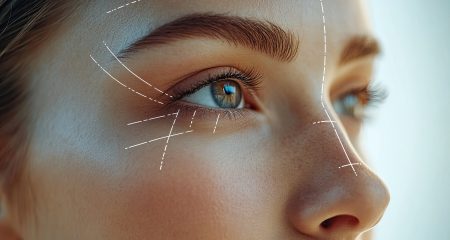
Canthoplasty is an eyelid surgery that reconstructs or repositions the lateral canthus—the outer corner where the upper and lower eyelids meet. Unlike procedures that simply tighten existing tissues, canthoplasty can involve releasing, shortening, repositioning, and securing components of the lateral canthal tendon to improve eyelid support or modify lateral eye position.
The procedure can serve reconstructive, functional, or aesthetic goals. It may be considered for significant lower-eyelid laxity, outer-corner drooping, selected eyelid malpositions, or cases in which stronger lateral support is required during eyelid rejuvenation.
Because the lateral canthus contributes to both eyelid function and eye shape, surgical planning should remain conservative and anatomy-based. The objective is usually to improve support and proportion without creating excessive tension or an unnatural eye appearance.
What Does Canthoplasty Do?
Canthoplasty changes the structural support of the outer eyelid. Depending on the problem, the surgeon may reposition the lateral canthal structures higher, tighten a weakened lower eyelid, or reconstruct an outer corner affected by aging, previous surgery, trauma, or anatomical laxity.
The procedure can improve how closely the lower eyelid sits against the eye and may reduce a downward-sloping or rounded appearance in selected patients.
Canthoplasty can also influence lateral eye shape, but the degree of change depends on the technique. Functional support and cosmetic eye-shape modification should be viewed as related but distinct surgical objectives.
How Does Canthoplasty Work?
The lateral canthal tendon anchors the eyelids near the outer orbital rim and contributes significantly to lower-eyelid stability. When this support becomes weak, stretched, displaced, or surgically altered, the lower eyelid may lose its ideal position.
During canthoplasty, the surgeon modifies the lateral canthal structures and secures them at an appropriate position. Depending on the technique, this can shorten a lax lower lid and create stronger support.
The direction and amount of fixation matter. Excessive elevation or tightening can distort eye shape, while insufficient correction may leave persistent laxity. Preoperative measurements and evaluation of eye prominence are therefore important.
Who Is a Good Candidate for Canthoplasty?
Potential candidates include patients with meaningful lower-eyelid laxity, downward displacement of the lateral canthus, selected eyelid malpositions, or insufficient lateral support.
The procedure may also be considered during lower blepharoplasty when preoperative examination shows that stronger structural support is necessary. Previous eyelid surgery can sometimes create problems that require canthal reconstruction.
Candidate selection depends on eyelid tone, lateral canthal position, eye prominence, orbital anatomy, cheek support, skin quality, previous operations, and treatment goals. Mild laxity may sometimes be adequately managed with a less extensive canthopexy.
What Eye Concerns Can Canthoplasty Treat?
Canthoplasty can treat several structural problems involving the outer eyelid. These include significant lower-lid laxity, a low lateral canthus, selected forms of eyelid malposition, and inadequate support after previous surgery.
It can also be used when the outer eye position contributes to a downturned appearance and structural modification is appropriate.
Not every aesthetic concern requires canthoplasty. Under-eye bags, excess lower-eyelid skin, upper-lid hooding, ptosis, tear-trough hollows, and pigmentation involve different anatomical problems and may require other procedures.
How Is Canthoplasty Surgery Performed?
Surgery usually begins with access to the lateral canthal region through a carefully positioned incision. The exact incision and surgical steps depend on the canthoplasty technique and the problem requiring correction.
The surgeon identifies the relevant lateral canthal structures, releases or modifies them when necessary, and secures the reconstructed tissues to a stable position around the orbital rim. The amount of shortening and elevation is carefully controlled.
When canthoplasty accompanies blepharoplasty, lower-eyelid fat, skin, and contour can be treated during the same operation. Incisions are then closed while ensuring that eyelid position and tension remain appropriate.
What Are the Benefits of Canthoplasty?
One important benefit is stronger structural correction than can generally be achieved through simple lateral reinforcement. This makes canthoplasty useful when significant lower-eyelid laxity or malposition requires reconstruction.
The procedure can improve lower-lid stability, lateral canthal position, and the relationship between the eyelid and eye. It can also support the lower lid during more extensive blepharoplasty.
For carefully selected aesthetic cases, repositioning the outer canthus may create a more balanced lateral eye contour. Results should complement the patient’s orbital anatomy rather than create an identical eye shape in every individual.
Can Canthoplasty Change the Shape of the Eyes?
Canthoplasty can change eye shape because the lateral canthus helps determine the angle and contour of the outer eye.
Repositioning this structure can alter lateral tilt and, in selected techniques, make the outer corner appear more elevated. The extent of change depends on the starting anatomy, surgical method, fixation point, and tissue flexibility.
A dramatic change is not always desirable or anatomically appropriate. Excessive lateral elevation can create unnatural tension, asymmetry, or functional problems. Eye-shape modification should therefore remain secondary to safe eyelid support and closure.
Can Canthoplasty Correct Drooping Outer Eye Corners?
A downward-positioned lateral canthus can sometimes be improved by repositioning and securing the outer eyelid structures at a more appropriate level.
However, not every downturned eye requires surgery. Natural orbital anatomy can create a negative or neutral canthal tilt without representing a medical problem.
The surgeon must distinguish natural eye shape from acquired descent caused by aging, tissue laxity, previous surgery, or trauma. This determines whether canthoplasty is appropriate and how much repositioning is reasonable.
Can Canthoplasty Improve Lower Eyelid Laxity?
Lower-eyelid laxity is one of the important indications for structural canthal surgery. By shortening and securing weakened lateral tissues, canthoplasty can provide stronger lower-lid support.
The amount of correction required varies. Mild laxity may sometimes respond to canthopexy, whereas greater weakness can require reconstruction through canthoplasty.
Lower-lid position is influenced by more than the lateral tendon alone. Vertical skin shortage, scarring, midface support, and eye prominence may also contribute, particularly after previous surgery.
Canthoplasty vs. Canthopexy: What Is the Difference?
Canthopexy generally reinforces the existing lateral canthal structures without completely reconstructing them. It is often used when mild or moderate additional support is required.
Canthoplasty involves more substantial structural modification. The lateral canthal tendon may be released, shortened, repositioned, and reattached depending on the technique.
Canthopexy can therefore be viewed as a more conservative support procedure, while canthoplasty offers greater reconstructive control. The appropriate choice depends on the severity and cause of the eyelid problem rather than which procedure sounds more extensive.
Canthoplasty vs. Lower Blepharoplasty
Lower blepharoplasty primarily addresses under-eye bags, prominent fat, skin laxity, and contour irregularities beneath the eyes. Canthoplasty focuses on structural support and position at the lateral eyelid.
A patient with under-eye bags but strong lower-lid support may require blepharoplasty without canthoplasty. Conversely, a patient with significant lower-eyelid laxity may require canthal surgery even when under-eye bags are minimal.
When both problems are present, the procedures can be coordinated within the same surgical plan.
Can Canthoplasty Be Combined with Blepharoplasty?
Canthoplasty can be combined with upper or lower blepharoplasty, particularly when lower-eyelid rejuvenation requires additional lateral support.
For example, lower-eyelid fat may be repositioned to smooth bags and tear-trough hollowing while canthoplasty strengthens a lax outer eyelid. Selected excess skin can also be treated during the same operation.
Combined surgery requires careful control of tension. Removing too much skin while substantially tightening the lateral eyelid can increase the risk of an unnatural contour or lower-lid position problem.
What Type of Anesthesia Is Used for Canthoplasty?
Canthoplasty may be performed with local anesthesia and sedation or under general anesthesia. The choice depends on surgical complexity, medical history, patient comfort, and whether other procedures are included.
A limited isolated operation may require a different anesthesia plan from revision canthoplasty or surgery combined with extensive lower blepharoplasty.
The appropriate method is determined during preoperative assessment by the surgical and anesthesia teams.
How Long Does Canthoplasty Surgery Take?
An isolated canthoplasty may take approximately one hour or longer, depending on the amount of reconstruction required.
Surgical time increases when both eyes require substantial correction, previous surgery has created scar tissue, or canthoplasty is combined with lower blepharoplasty, fat repositioning, or other facial procedures.
Preparation for anesthesia and postoperative observation add to the overall time spent at the surgical facility.
How to Prepare for Canthoplasty Surgery
Preparation includes evaluating lower-eyelid laxity, lateral canthal height, eye prominence, tear production, cheek support, skin quality, and existing asymmetry.
Patients should provide information about previous eyelid or eye surgery, dry-eye symptoms, medications, supplements, allergies, smoking, and relevant medical conditions. Previous operative records can be particularly useful in revision cases.
Individual instructions may cover medications affecting bleeding, alcohol, smoking, contact lenses, skincare, fasting, and transportation. Prescription medications should only be changed after appropriate medical advice.
Canthoplasty Prices 2026
Canthoplasty Prices 2026 vary according to the type of reconstruction, surgical complexity, geographic location, surgeon experience, anesthesia, and operating-facility expenses.
Frequently Asked Questions
Canthoplasty Recovery Timeline
During the first several days, swelling and bruising are generally most noticeable around the outer eyelids. Tightness, tenderness, watering, dryness, and temporary asymmetry can also occur.
How Long Do Swelling and Bruising Last After Canthoplasty?
Visible bruising commonly improves considerably within approximately one to two weeks. Swelling may remain noticeable for longer.
When Can You Return to Work After Canthoplasty?
Many patients plan around one to two weeks before returning to highly visible work, although individual recovery varies.
When Are Canthoplasty Results Visible?
Early changes in lateral eye position are visible relatively quickly, but postoperative swelling can exaggerate the degree of elevation.
How Long Do Canthoplasty Results Last?
Canthoplasty results can be long-lasting because the procedure structurally repositions and secures the lateral eyelid.
Does Canthoplasty Leave Visible Scars?
Canthoplasty requires surgical access, so a scar is possible. Incisions are generally positioned near natural eyelid structures or incorporated into incisions used for accompanying blepharoplasty.
What Are the Risks and Side Effects of Canthoplasty?
Temporary side effects can include swelling, bruising, tightness, tenderness, dryness, watering, numbness, irritation, and temporary asymmetry.