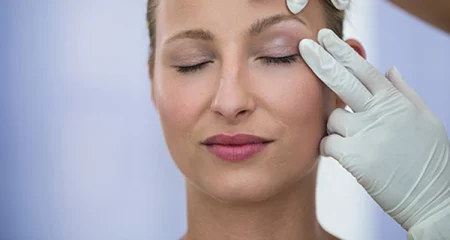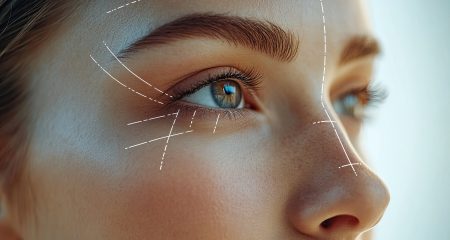

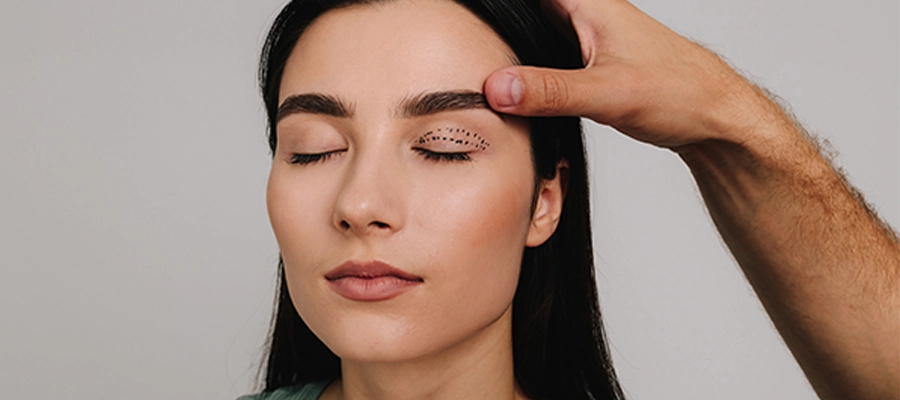
What Is Eyelid Asymmetry Correction?
Eyelid asymmetry correction is a customized treatment designed to reduce noticeable differences between the right and left eyelids while preserving natural eye shape, expression, and function. Treatment may involve upper or lower blepharoplasty, ptosis repair, eyelid crease adjustment, fat repositioning, canthal support, brow correction, or selected non-surgical techniques depending on the cause of the asymmetry.
Perfect facial symmetry is uncommon, and small differences between the eyes are a normal part of facial anatomy. Treatment becomes relevant when the difference is visually significant, has developed after aging or previous surgery, or affects eyelid function.
Successful correction begins with identifying which structure creates the imbalance. Treating both eyelids identically is not always appropriate because one side may require more, less, or completely different correction than the other.
What Causes Uneven or Asymmetrical Eyelids?
Uneven eyelids can result from natural facial anatomy, genetics, differences in brow height, eyelid ptosis, skin redundancy, fat distribution, skeletal differences, or changes associated with aging.
Muscle activity can also contribute. One eyebrow may naturally sit higher because the forehead muscles compensate for a lower eyelid or heavier brow on that side. This can make an eyelid difference appear more pronounced.
Previous blepharoplasty, brow surgery, trauma, facial nerve problems, or other operations can create or exaggerate asymmetry. Determining whether the difference originates in the eyelid, brow, orbit, or surrounding soft tissues is essential before selecting treatment.
What Types of Eyelid Asymmetry Can Be Corrected?
Treatment can address several forms of asymmetry, including different upper-eyelid crease heights, unequal skin hooding, uneven eyelid openings, differences in under-eye bags, and variations in lower-eyelid position.
Some patients have one eyelid that appears more hollow or fuller than the other. Others have different lateral eye positions or unequal support at the outer corners.
Not every difference can be completely eliminated. Skeletal asymmetry, eye prominence, orbital position, and longstanding neurological differences can limit the degree of correction achievable through eyelid surgery alone.
Who Is a Good Candidate for Eyelid Asymmetry Correction?
Potential candidates have a clearly identifiable eyelid difference that can reasonably be improved through surgical or non-surgical treatment. The asymmetry may be congenital, age-related, functional, or associated with previous procedures.
Good candidates should have realistic expectations because the objective is usually improved balance rather than mathematically identical eyelids. Natural differences can remain even after technically successful surgery.
Eye health, tear production, previous procedures, brow position, skin quality, eyelid support, medical history, and medications also influence suitability. New or suddenly developing eyelid asymmetry should receive appropriate medical evaluation before cosmetic treatment is considered.
How Is Eyelid Asymmetry Evaluated Before Treatment?
Evaluation begins by comparing the eyes and eyelids at rest and during facial movement. The surgeon may examine eyelid opening, crease height, skin quantity, brow position, pupil relationship, fat distribution, eye prominence, and lower-lid support.
Standardized photographs can help reveal differences that change with facial expression or head position. Measurements may also be used when ptosis or eyelid malposition is suspected.
Importantly, the brow should be assessed independently. A higher eyebrow can make the upper eyelid appear different even when eyelid anatomy itself is relatively similar. Accurate diagnosis prevents unnecessary or excessive eyelid surgery.
How Is Eyelid Asymmetry Correction Performed?
The procedure is determined by the anatomical source of the imbalance. If unequal upper-lid skin is responsible, asymmetric blepharoplasty may remove different amounts of tissue from each side.
When ptosis creates unequal eyelid openings, the eyelid-elevating mechanism may require adjustment. Uneven lower-eyelid bags can be treated with conservative fat removal or repositioning, while differences in lateral support may require canthopexy or canthoplasty.
In some cases, only one side needs meaningful correction. In others, both eyelids require different adjustments to create better balance. Surgical planning is therefore individualized rather than mirrored from one eye to the other.
What Are the Benefits of Eyelid Asymmetry Correction?
The primary benefit is improved balance between the eyes. Reducing differences in eyelid height, crease position, skin hooding, or under-eye contour can make the entire upper face appear more harmonious.
Correction may also provide functional benefits when asymmetry is associated with ptosis or significant eyelid malposition.
Another advantage of individualized treatment is preservation of natural characteristics. The goal is not to make the eyes artificially identical but to reduce distracting differences while maintaining recognizable eye shape and facial expression.
Can Eyelid Asymmetry Correction Improve Uneven Eyelid Creases?
Uneven upper-eyelid creases can sometimes be improved surgically, particularly when differences result from skin distribution, previous surgery, or variations in crease attachment.
Treatment may involve modifying the existing crease, adjusting skin, or addressing underlying tissues. One side may require a different amount of correction from the other.
Crease asymmetry can be particularly complex after previous blepharoplasty because scar tissue changes normal tissue planes. Revision cases therefore require careful evaluation of previous incisions, tissue availability, and eyelid function.
Can Droopy Eyelids Cause Eye Asymmetry?
A drooping upper eyelid can make one eye appear smaller or less open than the other. When the eyelid margin itself sits lower, the condition may represent ptosis rather than excess skin.
Ptosis can occur on one side or affect both eyes to different degrees. The forehead may compensate by raising one eyebrow, creating additional brow asymmetry.
In these cases, simply removing upper-eyelid skin may not correct the fundamental problem. Ptosis assessment is important before planning cosmetic eyelid surgery.
Eyelid Asymmetry Correction for Uneven Upper Eyelids
Upper-eyelid asymmetry can involve different skin quantities, crease heights, fat distribution, eyelid-margin positions, or brow relationships.
Upper blepharoplasty can address unequal skin hooding when skin excess is the primary cause. Fat may also be conservatively adjusted when one eyelid is noticeably fuller.
If brow position contributes to the imbalance, brow treatment may be necessary instead of—or alongside—eyelid surgery. When true ptosis is present, correction should focus on the eyelid-elevating mechanism.
Eyelid Asymmetry Correction for Uneven Lower Eyelids
Lower-eyelid asymmetry may appear as unequal bags, differences in tear-trough depth, uneven skin laxity, or different positions of the lower-lid margin.
Treatment can involve lower blepharoplasty, fat repositioning, conservative fat adjustment, or structural eyelid support. Different amounts of treatment may be required on each side.
Cheek and orbital asymmetry must also be considered. Sometimes an apparent lower-eyelid difference is partly caused by unequal cheek projection or skeletal anatomy rather than the eyelids themselves.
Surgical vs. Non-Surgical Eyelid Asymmetry Correction
Surgical treatment is generally more appropriate when asymmetry results from excess skin, ptosis, significant fat differences, eyelid laxity, or structural malposition.
Non-surgical options may help selected patients with mild volume differences, skin-quality concerns, or brow asymmetry caused partly by muscle activity. Injectable treatments require particular caution around the eyes because small changes can noticeably affect eyelid and brow position.
Non-surgical treatment cannot reproduce structural correction when the underlying problem involves significant tissue excess or eyelid-support mechanisms.
Can Blepharoplasty Correct Asymmetrical Eyelids?
Blepharoplasty can improve eyelid asymmetry when unequal skin, fat, or soft-tissue distribution is responsible for the difference.
Rather than removing exactly the same amount from both sides, surgery may be intentionally asymmetric. One eyelid may need more skin adjustment while the opposite side requires minimal treatment.
Blepharoplasty cannot correct every cause of asymmetry. Ptosis, significant brow differences, skeletal asymmetry, or lateral eyelid malposition may require other procedures.
Can Eyelid Asymmetry Correction Be Combined with Ptosis Surgery?
Eyelid asymmetry correction can be combined with ptosis surgery when a low upper-eyelid margin contributes to unequal eye opening.
In these cases, ptosis repair addresses eyelid height while blepharoplasty may address excess skin or crease differences. Coordinating the procedures can provide better balance than treating only one component.
Ptosis correction requires careful measurements because small differences in postoperative eyelid height can be visually noticeable. Healing and swelling can also temporarily exaggerate asymmetry before the final position settles.
How to Prepare for Eyelid Asymmetry Correction
Preparation begins with a detailed examination and documentation of pre-existing differences. Photographs from before previous eyelid or facial procedures can be particularly useful in revision cases.
Patients should discuss medical history, medications, supplements, allergies, dry-eye symptoms, previous eye surgery, contact lens use, and any history of neurological or facial nerve problems.
Preoperative instructions may include guidance about smoking, alcohol, fasting, skincare, and medications that influence bleeding. Prescription medication should not be stopped without appropriate medical advice.
Eyelid Asymmetry Correction Prices 2026
Eyelid Asymmetry Correction Prices 2026 vary considerably because eyelid asymmetry is a finding rather than one standardized operation. The final price depends on which structures require correction and whether treatment involves one eyelid, both eyelids, or surrounding brow and canthal structures.
Frequently Asked Questions
Eyelid Asymmetry Correction Recovery Timeline
The first several days typically involve swelling and bruising. Importantly, each side can swell differently, temporarily making the eyes appear more asymmetric than they did immediately after surgery.
How Long Do Swelling and Bruising Last After Eyelid Asymmetry Correction?
Visible bruising commonly improves substantially within approximately one to two weeks, although the exact timeline depends on the procedures performed.
When Can You Return to Work After Eyelid Asymmetry Correction?
Many patients plan approximately one to two weeks before returning to visible professional
When Are the Final Results of Eyelid Asymmetry Correction Visible?
Early improvements become noticeable as major swelling decreases, but final symmetry cannot be reliably assessed during the first weeks.
How Long Do Eyelid Asymmetry Correction Results Last?
The longevity of eyelid asymmetry correction results depends on what caused the original difference and which procedure was used.
Does Eyelid Asymmetry Correction Leave Scars?
Surgical correction requires incisions, but their location depends on the procedure. Upper blepharoplasty scars are generally positioned within the natural eyelid crease.
What Are the Risks of Eyelid Asymmetry Correction?
Temporary effects can include swelling, bruising, tightness, irritation, dryness, watering, numbness, and temporary differences between the eyes.