

What Is Skin Quality and Collagen-Support Treatment?
Skin quality treatments are nonsurgical approaches designed to improve texture, hydration, firmness, elasticity, and overall skin appearance. Rather than changing facial structure, Skin Quality and Collagen-Support Treatment focuses on characteristics that influence how smooth, resilient, and healthy-looking the skin appears.
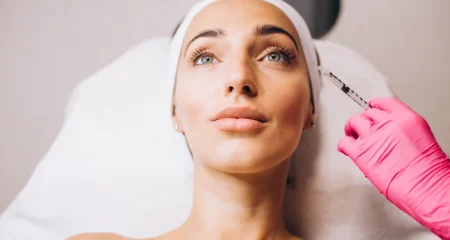
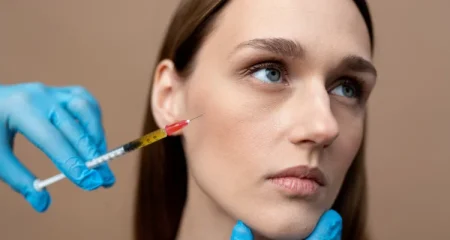
Treatment plans may include microneedling, fractional resurfacing, selected laser or energy-based procedures, injectable skin treatments, chemical peels, or other methods. Some techniques create controlled tissue stimulation that may support processes involved in collagen remodeling.
No treatment can permanently stop collagen decline or normal skin aging. The degree of improvement depends on age, sun exposure, skin condition, treatment intensity, lifestyle, and individual healing response. For this reason, treatment should be selected according to the specific skin concern rather than following one standard protocol.
How Does Collagen Support Affect Skin Quality?
Collagen is an important structural protein that contributes to the strength and organization of the skin. When treatment encourages controlled remodeling, Skin Quality and Collagen-Support Treatment may gradually improve firmness, texture, and the appearance of selected superficial lines.
Different procedures approach this process in different ways. Microneedling creates controlled micro-injuries, while fractional lasers and certain energy-based treatments deliver controlled stimulation at selected skin depths. The subsequent healing response can involve collagen production and remodeling.
These changes do not happen immediately. Biological remodeling develops progressively over weeks and months, and results vary between individuals.
Collagen support also has limitations. Significant skin laxity or structural facial aging may require approaches beyond treatments focused primarily on skin quality.
What Causes Collagen Levels in the Skin to Decline?
Collagen production and organization naturally change with age, contributing to gradual alterations in skin thickness, elasticity, and firmness. Because these changes accumulate over time, Skin Quality and Collagen-Support Treatment may be considered when early textural or firmness concerns become noticeable.
Ultraviolet exposure is another major factor affecting collagen. Repeated sun exposure contributes to photoaging and can accelerate changes in the skin’s supporting structures.
Smoking, environmental exposure, hormonal changes, nutrition, and other lifestyle factors may also influence skin appearance. Genetics additionally affect how quickly visible aging develops.
Treatment cannot completely reverse these biological processes. Consistent sun protection and appropriate skincare remain important for limiting preventable damage and supporting results achieved through professional procedures.
Which Skin Concerns Can Collagen-Support Treatments Address?
Collagen-support treatments can target mild skin laxity, fine lines, uneven texture, enlarged-looking pores, crepey skin, and selected acne-related textural changes. Depending on the underlying concern, Skin Quality and Collagen-Support Treatment can involve one procedure or a combination of complementary methods.
Different problems require different treatment depths. Superficial roughness may respond to resurfacing, while selected deeper textural concerns may require microneedling, fractional treatments, or other controlled tissue-stimulation methods.
These procedures have limitations. Pronounced facial sagging, deep folds, substantial volume loss, and severe scars generally cannot be corrected through collagen-focused treatment alone.
An assessment should therefore distinguish skin-quality problems from structural aging. This helps create realistic expectations and prevents unnecessary or unsuitable procedures.
Who Is a Suitable Candidate for Skin Quality Treatments?
Suitable candidates are generally adults who want gradual improvements in texture, firmness, hydration, or early signs of skin aging without major structural changes. For patients with mild to moderate concerns, Skin Quality and Collagen-Support Treatment may provide a nonsurgical approach to improving overall skin appearance.
Suitability depends on skin type, pigmentation tendency, medical history, medications, active skin conditions, and the treatment being considered. Some resurfacing methods require additional caution in individuals prone to post-inflammatory pigmentation.
Active infections or uncontrolled inflammatory conditions may require treatment to be postponed. A history of abnormal scarring can also influence procedure selection.
Realistic expectations remain important because skin-quality treatments generally provide progressive improvement rather than surgical-level tightening.
Improving Skin Firmness and Elasticity
Skin firmness can gradually decrease as collagen, elastin, facial fat, and other supporting structures change with age. When the main concern involves skin quality, Skin Quality and Collagen-Support Treatment may help create a firmer and more resilient appearance.
Microneedling, fractional resurfacing, selected energy-based procedures, and some injectable treatments may support gradual improvement. However, significant sagging should be distinguished from mild loss of firmness because nonsurgical treatments cannot reproduce the lifting effect of surgery.
Factors that influence improvement in skin firmness and elasticity include:
- Baseline skin quality
- Degree of skin laxity
- Collagen levels
- Elastin changes
- Facial fat changes
- Age-related tissue changes
- Microneedling
- Fractional resurfacing
- Energy-based treatments
- Injectable skin treatments
- Hydration
- Individual treatment response
- Time needed for collagen remodeling
- Degree of sagging
- Need for surgical lifting
Treatment Options for Fine Lines and Crepey Skin
Fine lines and crepey skin can develop as the skin becomes thinner, drier, and less elastic with age or sun exposure. Depending on the cause, Skin Quality and Collagen-Support Treatment may include resurfacing, microneedling, injectable treatments, or selected energy-based procedures.
Superficial treatments may improve dryness and surface smoothness, while controlled tissue-stimulation techniques can support deeper remodeling. Treatment intensity should be adjusted according to skin thickness, anatomy, and whether other factors such as volume loss or advanced laxity are present.
Factors considered when treating fine lines and crepey skin include:
- Skin thickness
- Skin dryness
- Loss of elasticity
- Sun exposure
- Fine superficial lines
- Crepey texture
- Under-eye skin
- Cheek skin
Supporting Smoother and More Even Skin Texture
Uneven texture can result from enlarged pores, acne scars, sun damage, dryness, aging, or irregular surface renewal. After identifying the underlying cause, Skin Quality and Collagen-Support Treatment can be adapted to improve smoothness through targeted skin remodeling.
Microneedling and fractional resurfacing are commonly considered for selected textural concerns. Chemical peels may help with more superficial irregularities, while deeper scars can require specialized approaches such as subcision or combination treatment.
Results depend on the depth and type of irregularity. A treatment suitable for superficial roughness may have limited effects on tethered or deeply depressed scars.
Gradual improvement is usually more realistic than complete correction. Several sessions may be required when significant textural remodeling is desired.
Facial Treatments for Dull and Tired-Looking Skin
Dull skin can be associated with dehydration, sun exposure, accumulated surface cells, uneven pigmentation, lifestyle factors, or age-related changes. When skin quality contributes to the problem, Skin Quality and Collagen-Support Treatment may help create a smoother and more refreshed appearance.
Treatment options can include superficial resurfacing, microneedling, hydration-focused injectables, selected lasers, or chemical peels. The most appropriate method depends on why the skin appears dull.
Not every case requires collagen stimulation. Dehydration may respond better to hydration-focused care, while pigmentation can require specifically targeted treatment.
Daily habits also influence radiance. Regular sun protection, suitable skincare, adequate moisturization, and avoiding smoking can support the improvements achieved through professional procedures.
Which Areas Can Be Treated for Skin Quality Improvement?
Skin-quality treatments can be applied to several facial and nearby anatomical areas. Depending on the concern and selected method, Skin Quality and Collagen-Support Treatment may target the cheeks, forehead, lower face, jawline region, around the mouth, and selected areas around the eyes.
Treatment can also extend to the neck and décolletage, where fine lines, sun damage, and crepey texture commonly develop.
Different regions require different approaches. Thin under-eye skin cannot necessarily tolerate the same treatment intensity as thicker cheek tissue.
Treatment depth, energy settings, injection quantities, or needling parameters should therefore reflect the anatomy and sensitivity of each area. A standardized full-face approach is not appropriate for every patient.
How Is a Personalized Collagen-Support Plan Created?
A personalized plan begins by evaluating texture, elasticity, fine lines, pigmentation, hydration, scars, and the degree of skin laxity. Based on these findings, Skin Quality and Collagen-Support Treatment can prioritize the concerns most likely to benefit from nonsurgical improvement.
Skin type, age, previous procedures, sun exposure, medical history, and available recovery time can influence treatment selection. Pigmentation tendency is particularly important when considering stronger resurfacing procedures.
Some patients need one primary treatment, while others may benefit from staged combinations. Procedures do not always need to be performed during the same appointment.
Progress should also be reassessed between sessions. Treatment intensity and frequency can then be modified according to healing, response, and remaining concerns.
How Many Treatment Sessions May Be Needed?
The required number of sessions depends on the selected procedure, baseline skin quality, treatment intensity, and desired improvement. Because gradual remodeling takes time, Skin Quality and Collagen-Support Treatment may involve a series of sessions rather than a single appointment.
Gentler treatments often require repeated sessions, while stronger procedures may be performed less frequently and involve longer recovery. Individual response can also affect the total number required.
Visible progress should be evaluated before automatically adding more treatments. Some improvements continue developing between sessions as tissue remodeling progresses.
Maintenance may later be considered because normal aging continues. There is no universal number of sessions capable of guaranteeing the same result for every patient.
What to Expect During the Skin Renewal Process
Skin renewal after treatment varies considerably according to the procedure performed. Following Skin Quality and Collagen-Support Treatment, temporary redness, swelling, dryness, sensitivity, peeling, or mild bruising can occur depending on whether resurfacing, needling, energy-based, or injectable methods were used.
Initial recovery should not be confused with the final outcome. Some procedures produce visible surface changes first, while collagen-related remodeling continues gradually beneath the skin.
Gentle skincare and consistent sun protection are particularly important during recovery. Strong active ingredients may need to be temporarily avoided after more intensive procedures.
Unexpectedly severe pain, prolonged swelling, blistering, drainage, or worsening redness should be assessed rather than assumed to represent normal renewal.
When Do Skin Quality Improvements Become Noticeable?
The timeline for visible improvement depends on the type and intensity of treatment. After undergoing Skin Quality and Collagen-Support Treatment, early changes in smoothness or hydration may appear relatively quickly, while collagen-related remodeling usually develops more gradually.
Some procedures continue producing changes for several weeks or months as the healing process progresses. A series of treatments can further extend the overall timeline.
Age, sun damage, baseline skin condition, lifestyle, and individual biology influence how quickly results become visible.
Temporary swelling immediately after a procedure can make the skin appear smoother, but this is not the final result. Longer-term evaluation should occur after the initial recovery period has passed.
Skin Quality and Collagen-Support Treatment Prices 2026
Treatment costs vary because collagen-support programs can include very different procedures and technologies. When estimating Skin Quality and Collagen-Support Treatment prices, important factors include the selected method, treatment area, number of sessions, intensity, and whether combination therapy is required.
Frequently Asked Questions
What treatments can help support collagen production?
Microneedling, fractional laser resurfacing, and selected energy-based procedures can create controlled tissue stimulation associated with collagen remodeling. Within Skin Quality and Collagen-Support Treatment, the most suitable method depends on skin type, concern, treatment depth, and acceptable recovery time.
At what age does facial collagen start to decrease?
Collagen changes begin gradually during adulthood and become more noticeable over time, rather than starting suddenly at one specific age. When Skin Quality and Collagen-Support Treatment is considered, visible skin condition is generally more important than chronological age alone.
Can collagen-support treatments improve skin firmness?
Mild reductions in firmness may improve gradually with appropriately selected procedures that encourage tissue remodeling. Through Skin Quality and Collagen-Support Treatment, results depend on baseline laxity, age, technique, and individual response, while advanced sagging may require other approaches.
Which treatments are suitable for improving skin texture?
Microneedling, fractional resurfacing, chemical peels, and selected laser treatments can address different types of textural irregularity. When planning Skin Quality and Collagen-Support Treatment, the choice depends on whether the concern involves superficial roughness, pores, sun damage, or deeper scars.
Can these treatments help with fine lines?
Fine superficial lines may improve through hydration, resurfacing, and treatments that encourage gradual tissue remodeling. With suitable Skin Quality and Collagen-Support Treatment, deeper wrinkles caused by muscle activity, volume loss, or significant laxity may still require additional methods.
How many sessions are usually needed for better skin quality?
Session numbers vary according to the procedure, treatment intensity, and baseline skin condition. During Skin Quality and Collagen-Support Treatment, some methods require a series of sessions, while stronger procedures may be performed less frequently with longer periods allowed for remodeling.