

What Is Facial PRP Treatment?
Facial PRP is an autologous treatment that uses a concentrated portion of the patient’s own blood to support skin-quality improvement. Because platelets contain biologically active proteins and growth factors, Facial PRP Treatment is commonly used to address concerns involving texture, tone, fine lines, and general skin appearance.
The procedure begins with a small blood draw. After processing, the platelet-rich portion is separated and applied or injected into selected facial areas. Because the material comes from the patient, PRP does not involve a synthetic volumizing filler.
Results usually develop gradually and vary between individuals. PRP cannot stop skin aging or replace treatments intended for substantial lifting, deep wrinkles, or major facial volume loss.
How Does PRP Work for Facial Skin Rejuvenation?
PRP works by delivering concentrated platelets and their associated signaling proteins to selected tissues. During Facial PRP Treatment, these biological components are introduced into targeted areas to support processes involved in healing and tissue remodeling.
Activated platelets release various growth factors that participate in normal wound healing. These signals may influence fibroblast activity, collagen-related processes, and the local tissue environment. However, the extent of visible improvement differs between patients.
PRP is generally used to support gradual skin-quality changes rather than provide immediate facial augmentation. Preparation technique, platelet concentration, treatment method, age, and baseline skin condition can all affect the response.
Claims of permanent regeneration should therefore be avoided because clinical outcomes remain variable.
How Is Platelet-Rich Plasma Prepared?
PRP preparation starts by collecting a small quantity of the patient’s blood into appropriate tubes. Before Facial PRP Treatment is performed, the blood is processed using centrifugation to separate components according to their physical characteristics.
This process produces a plasma fraction containing a higher concentration of platelets than ordinary circulating plasma. Preparation systems can differ in centrifugation method, platelet concentration, leukocyte content, and final volume.
Once prepared, PRP is collected for use during the treatment session. It may be injected directly or incorporated into selected treatment protocols.
Because preparation methods are not identical, all PRP products should not be considered biologically equivalent. Sterile handling throughout blood collection, processing, and administration remains particularly important.
Which Skin Concerns Can Be Treated with Facial PRP?
PRP may be considered for mild textural irregularities, early fine lines, uneven-looking tone, and general changes associated with skin aging. In appropriately selected patients, Facial PRP Treatment aims to support overall skin quality without significantly changing facial shape.
Some treatment plans also use PRP for selected acne-related textural concerns or delicate areas where gradual improvement is preferred. The expected effect depends on the depth and cause of the problem.
Deep wrinkles, pronounced skin laxity, substantial volume loss, and severe acne scars usually require other or additional treatments.
A proper assessment helps determine whether PRP matches the specific concern. Using it for conditions unlikely to respond can create unrealistic expectations and unnecessary treatment.
Who Is a Suitable Candidate for PRP Facial Treatment?
Suitable candidates are generally adults seeking gradual improvement in skin quality using material obtained from their own blood. For individuals with mild texture changes, fine lines, or early signs of aging, Facial PRP Treatment may be considered as part of a nonsurgical rejuvenation plan.
Suitability depends on more than age. Medical history, medications, platelet-related conditions, active infection, skin inflammation, and overall health can influence whether treatment is appropriate.
Certain blood disorders or medications affecting platelet function and clotting may require additional consideration. Pregnancy and other individual medical circumstances should also be discussed beforehand.
Realistic expectations are important because PRP generally produces subtle, progressive changes rather than immediate lifting or substantial facial restructuring.
Facial PRP for Skin Texture and Tone
Uneven texture can develop through aging, sun exposure, acne, dryness, and changes in the skin’s supporting structures. When appropriate for the underlying concern, Facial PRP Treatment may support gradual improvements in overall texture and skin appearance.
PRP is sometimes combined with microneedling or other procedures that create controlled skin stimulation. Combination approaches can target different aspects of texture, although they may also change recovery requirements.
PRP alone cannot correct every type of irregularity. Deep acne scars, pronounced pigmentation, or significant surface damage may respond better to targeted resurfacing or combination treatment.
Improvement is usually progressive rather than immediate. Several sessions may be considered depending on baseline skin quality and the degree of correction being sought.
PRP Treatment for Fine Lines and Signs of Skin Aging
Fine lines develop through several processes, including sun exposure, repeated facial movement, reduced skin elasticity, and age-related structural changes. For selected superficial concerns, Facial PRP Treatment may support smoother-looking skin through gradual tissue-quality improvement.
PRP is generally more appropriate for early skin-quality changes than established deep wrinkles. Expression lines primarily caused by muscle activity or folds associated with significant volume loss require different treatment strategies.
Results also depend on skin thickness, age, sun damage, lifestyle, and individual biological response. Multiple sessions may be used when progressive improvement is desired.
PRP should therefore be viewed as one component of facial rejuvenation rather than a treatment capable of removing every visible sign of aging.
Can PRP Be Used for Under-Eye Rejuvenation?
PRP can be considered for selected under-eye concerns, particularly when thin skin, mild textural changes, or superficial fine lines contribute to an aged appearance. Because the region is anatomically delicate, Facial PRP Treatment around the eyes requires careful placement and conservative technique.
Under-eye darkness has many possible causes. Pigmentation, visible blood vessels, shadowing from tear troughs, prominent eye bags, and genetic anatomy may all contribute.
PRP therefore cannot correct every form of dark circle or hollowing. Significant volume loss and prominent bags may require other treatment options.
Temporary swelling and bruising can also be more noticeable around the eyes because the tissues are thin and sensitive.
Which Areas of the Face Can Be Treated with PRP?
PRP can be used in several facial regions where improvement in skin quality is desired. Depending on individual concerns, Facial PRP Treatment may involve the cheeks, forehead, lower face, perioral region, jawline area, and selected areas around the eyes.
Treatment distribution should reflect the condition of each region rather than following an identical pattern across the entire face. Skin thickness and underlying anatomy vary considerably between areas.
PRP may also be incorporated into treatment plans involving the neck or other areas with similar skin-quality concerns.
Delicate anatomical regions require particular care. Injection depth, quantity, and technique should therefore be adapted according to the treatment location and intended objective.
What Happens During a Facial PRP Session?
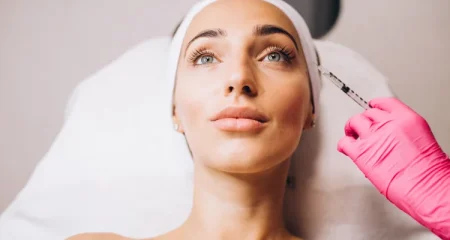
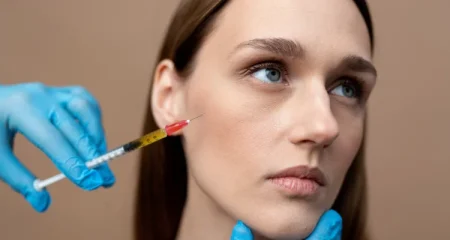
A Facial PRP Treatment session begins with drawing a small amount of blood and processing it in a centrifuge to prepare the platelet-rich fraction. The skin is then cleansed, and topical anesthetic may be applied before PRP is delivered to the planned facial areas.
PRP may be placed through multiple fine injections or used as part of selected microneedling protocols. Temporary redness, swelling, pinpoint bleeding, tenderness, or bruising can occur afterward, depending on the treatment method and intensity.
A Facial PRP Treatment session may include:
- Blood collection
- Centrifuge processing
- Preparation of platelet-rich plasma
- Skin cleansing
- Application of topical anesthetic
- Mapping of treatment areas
- Fine PRP injections
- Use with microneedling protocols
- Temporary redness
- Localized swelling
- Pinpoint bleeding
- Tenderness
- Bruising
- Treatment time for preparation and injection
How Many PRP Sessions Are Usually Recommended?
The number of Facial PRP Treatment sessions varies according to skin condition, treatment goals, preparation method, and individual response. Treatment is often performed as an initial series of appropriately spaced sessions followed by evaluation of the results.
There is no universal number of sessions that guarantees a particular outcome. Some people may notice changes earlier, while others need more time, and maintenance sessions may later be considered if the effects gradually decrease.
Factors that influence the number of Facial PRP Treatment sessions include:
- Baseline skin condition
- Treatment goals
- PRP preparation method
- Individual response
- Degree of skin-quality improvement desired
- Spacing between sessions
- Time needed for visible changes
- Response to the initial treatment series
- Progress during follow-up
- Need for maintenance sessions
Recovery and Skin Care After Facial PRP
Recovery is usually relatively short, although temporary redness, swelling, sensitivity, pinpoint marks, or bruising can occur. Following Facial PRP Treatment, these effects generally decrease gradually as the treated skin settles.
The skin should be handled gently during the early recovery period. Irritating products, unnecessary rubbing, and aggressive exfoliation may need to be avoided temporarily. Consistent sun protection is also important.
Aftercare can differ when PRP is combined with microneedling, laser treatment, or another procedure. The more intensive procedure may determine the overall recovery period.
Increasing pain, spreading redness, warmth, drainage, fever, or significant swelling should be medically evaluated rather than assumed to be normal recovery.
When Do Facial PRP Results Become Noticeable?
PRP results generally appear progressively because the treatment is intended to support biological processes rather than create immediate structural volume. After undergoing Facial PRP Treatment, some patients begin noticing changes in skin appearance over the following weeks.
Further improvement may develop after additional sessions and during subsequent tissue remodeling. The exact timeline depends on age, baseline skin quality, treatment technique, and individual response.
Initial swelling can temporarily make the skin appear fuller or smoother, but this should not be confused with the final result.
Changes are typically subtle. Standardized photographs taken under similar lighting can help patients evaluate gradual improvements more accurately over time.
How Long Can the Effects of Facial PRP Last?
Result longevity differs between patients because skin continues to age after treatment. Following a completed course of Facial PRP Treatment, visible improvements may persist for months before gradually becoming less noticeable.
Age, sun exposure, smoking, skincare habits, general health, and the original condition of the skin can influence how long the effects remain visible. Treatment technique and session number may also affect the outcome.
PRP should not be considered permanent. Maintenance treatments can sometimes be used when the visible benefits begin to decrease.
Daily sun protection and appropriate skincare remain important because professional procedures cannot prevent future environmental damage or normal age-related changes.
Facial PRP Treatment Prices 2026
PRP costs vary according to the treatment area, preparation method, number of sessions, and whether additional procedures are included. When calculating Facial PRP Treatment prices, the complete treatment course may be more relevant than the cost of one individual session.
Frequently Asked Questions
What does PRP treatment do for the face?
The procedure uses concentrated platelets obtained from the patient’s blood to support processes involved in tissue healing and remodeling. For appropriate skin concerns, Facial PRP Treatment may gradually improve texture, fine lines, and general skin quality without providing substantial facial volume.
How is PRP obtained from your own blood?
A small blood sample is collected and placed into a centrifuge to separate its components. Before performing Facial PRP Treatment, the platelet-rich plasma fraction is prepared under controlled conditions and then collected for application or injection into the selected areas.
How many PRP sessions does the face usually need?
The number of sessions depends on skin condition, treatment objectives, and individual response. During a planned Facial PRP Treatment course, several appropriately spaced sessions may be recommended, followed by reassessment rather than automatically continuing treatment indefinitely.
How often should facial PRP be repeated?
Treatment intervals vary according to the initial protocol and how the skin responds. After completing a course of Facial PRP Treatment, maintenance may be considered periodically when improvements begin to decrease rather than following one fixed schedule for everyone.
Can PRP improve fine lines and skin texture?
Superficial fine lines and mild texture concerns may gradually improve in suitable patients. When Facial PRP Treatment is used for skin rejuvenation, deeper wrinkles, significant laxity, and pronounced scars may still require additional or alternative procedures.
Is PRP suitable for the under-eye area?
The under-eye region can be treated in selected patients, particularly for mild skin-quality and textural concerns. When Facial PRP Treatment is performed around the eyes, careful technique is important because the tissues are delicate and temporary swelling or bruising may be more noticeable.
How long does redness last after facial PRP?
Temporary redness often improves within hours to several days, depending on treatment intensity and individual sensitivity. Following Facial PRP Treatment, redness may persist longer when PRP is combined with procedures such as microneedling that create additional controlled skin injury.
Can I wash my face after PRP treatment?
Gentle cleansing is usually resumed after the early post-treatment period according to the specific procedure and aftercare instructions. Following Facial PRP Treatment, harsh cleansers, aggressive rubbing, exfoliating products, and unnecessary irritation should generally be avoided while the skin remains sensitive.