

What Is an Under-Eye Rejuvenation Protocol?
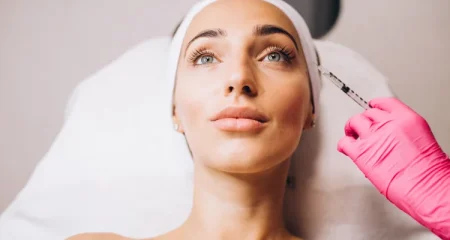
An under-eye rejuvenation protocol is a personalized treatment plan designed to address hollows, dark circles, fine lines, skin quality, and other signs of aging around the lower eyelids. Rather than treating every concern identically, an Under-Eye Rejuvenation Protocol considers the anatomical cause of the tired or aged appearance before selecting appropriate procedures.
Treatment options may include skin-quality injectables, polynucleotides, PRP, selected resurfacing procedures, fillers, or autologous fat transfer. Some patients require only one method, while others may benefit from carefully staged combinations.
The under-eye region has thin skin and complex anatomy, making conservative treatment particularly important. Results depend on the underlying concern, skin characteristics, facial structure, treatment technique, and individual healing response.
What Causes the Under-Eye Area to Look Tired or Aged?
A tired under-eye appearance can result from several factors, including volume loss, pigmentation, visible blood vessels, thin skin, prominent eye bags, and shadowing. Because several problems can occur together, an Under-Eye Rejuvenation Protocol should identify the dominant causes before treatment begins.
Age-related changes can reduce support around the lower eyelid and upper cheek. Tear trough hollows may become deeper, while skin can become thinner and develop fine lines or crepey texture. Genetics can produce similar features at a younger age.
Dark circles are especially complex because they are not always caused by pigmentation. Hollowing and eye bags can create shadows that appear darker under certain lighting. Successful treatment therefore depends on distinguishing color changes from structural shadowing.
How Is the Under-Eye Area Evaluated Before Treatment?
Evaluation involves examining skin thickness, pigmentation, tear trough depth, eye bags, cheek support, fine lines, and lower-eyelid anatomy. During planning, an Under-Eye Rejuvenation Protocol should also consider whether the main concern changes with lighting or facial expression.
True pigmentation should be distinguished from shadows caused by hollowing. Visible vessels beneath thin skin can create blue or purple tones, while prominent fat compartments may produce bags and deeper shadows.
Previous fillers or other procedures are also relevant because residual injectable material can influence under-eye contour and swelling.
Assessment should extend beyond the lower eyelid itself. Midface volume and cheek structure affect the transition between the eyelid and cheek, so treating only the visible hollow may not always produce the most balanced result.
Who Is a Suitable Candidate for Under-Eye Rejuvenation?
Suitable candidates are adults bothered by hollows, mild dark circles, fine lines, crepey skin, or declining skin quality around the lower eyelids. Depending on the underlying cause, an Under-Eye Rejuvenation Protocol can focus on structural volume, skin quality, pigmentation, or a combination of these concerns.
Good candidates should understand that no single treatment corrects every type of under-eye problem. For example, a procedure that improves skin texture may have limited effects on prominent eye bags.
Active infections, significant inflammation, certain medical conditions, and previous complications can affect treatment suitability. Lower-eyelid laxity and pronounced bags may also require a different approach.
Realistic expectations are particularly important because conservative correction is generally preferred in this delicate anatomical region.
Treatment Options for Under-Eye Hollows
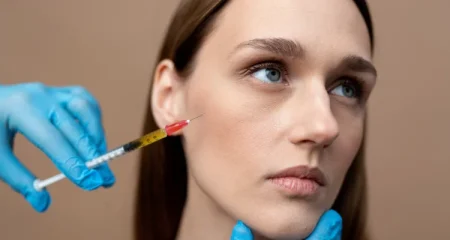
Under-eye hollows commonly develop along the tear trough and can create shadows that make the face appear tired. When hollowing is the main concern, an Under-Eye Rejuvenation Protocol may include carefully selected fillers, autologous fat transfer, or treatment of surrounding facial volume.
Hyaluronic acid fillers can provide targeted correction in suitable candidates, but the under-eye region is prone to swelling and contour irregularities. Conservative quantities and appropriate placement are therefore important.
Fat transfer may offer longer-term volume restoration for selected patients, although some transferred fat is naturally reabsorbed during healing.
Not every hollow should be filled directly. Prominent eye bags, significant skin laxity, or poor lower-eyelid support can change treatment priorities and may require alternative approaches.
Approaches for Dark Circles and Uneven Skin Tone
Dark circles can develop because of pigmentation, thin skin, visible blood vessels, structural shadowing, or a combination of these factors. An Under-Eye Rejuvenation Protocol should therefore identify the main cause of discoloration before selecting treatment.
Pigmentation-related darkness may be managed with topical skincare, selected chemical treatments, or carefully chosen energy-based procedures, while vascular visibility or tear-trough shadows may require different approaches. Complete removal cannot always be achieved, especially when genetics, thin skin, prominent vessels, or anatomy contribute to the appearance.
Factors considered when treating dark circles include:
- Skin pigmentation
- Thin under-eye skin
- Visible blood vessels
- Tear-trough hollowing
- Structural shadowing
- Genetic pigmentation
- Sun exposure
- Topical skincare
- Selected chemical treatments
- Energy-based procedures
- Need for structural correction
- Skin thickness
- Vascular prominence
- Combination treatment
- Realistic treatment expectations
Improving Fine Lines and Crepey Under-Eye Skin
Fine lines and crepey texture can develop as lower-eyelid skin becomes thinner, drier, and less elastic. When these changes are mild, an Under-Eye Rejuvenation Protocol may focus on hydration, controlled tissue remodeling, and gradual improvement in skin quality.
Treatment options may include polynucleotides, PRP, selected resurfacing procedures, suitable microneedling techniques, or other skin-quality treatments. Because lower-eyelid skin is delicate, treatment intensity should be adjusted carefully to reduce the risk of irritation, pigmentation changes, or prolonged recovery.
Factors considered when treating fine lines and crepey under-eye skin include:
- Skin thickness
- Skin dryness
- Loss of elasticity
- Fine superficial lines
- Crepey texture
- Skin sensitivity
- Degree of skin-quality change
- Polynucleotide treatment
- PRP treatment
- Selected resurfacing procedures
- Microneedling suitability
- Dynamic wrinkles
- Facial movement
Treatments for Under-Eye Skin Quality and Elasticity
Skin-quality treatments aim to improve smoothness, hydration, resilience, and the appearance of early fine lines without substantially increasing volume. For suitable patients, an Under-Eye Rejuvenation Protocol may incorporate injectable or energy-based approaches selected specifically for delicate lower-eyelid skin.
Polynucleotides and PRP are examples of injectable treatments used for gradual skin-quality improvement. Selected resurfacing procedures can also support texture and collagen remodeling when appropriate.
These methods cannot provide the same correction as volume restoration when deep hollows are present. Similarly, significant lower-eyelid laxity or prominent bags may require surgical assessment.
Results generally develop progressively. Skin type, age, sun damage, treatment intensity, and individual healing response influence the degree of visible improvement.
Polynucleotide Treatments for the Under-Eye Area
Polynucleotide injections are used in aesthetic medicine to support skin quality in delicate areas without primarily functioning as volumizing fillers. When appropriately selected, an Under-Eye Rejuvenation Protocol may include polynucleotides for concerns such as fine lines, thin-looking skin, and mild textural changes.
Small quantities are generally placed using a conservative injection technique. Temporary bumps, redness, bruising, or swelling can appear afterward, and swelling may be particularly noticeable around the lower eyelids.
Polynucleotides cannot correct every cause of dark circles or significant tear trough hollowing. Their role is primarily related to skin-quality improvement.
The exact formulation, approved use, evidence, and recommended treatment schedule can vary between products, so polynucleotide preparations should not automatically be considered interchangeable.
PRP and Regenerative Approaches for Under-Eye Rejuvenation
PRP uses platelet-rich plasma prepared from the patient’s own blood and is intended to support biological processes involved in tissue healing and remodeling. Within an Under-Eye Rejuvenation Protocol, PRP may be considered for selected concerns involving fine lines, texture, and general skin quality.
A small blood sample is processed to obtain the platelet-rich fraction before treatment. This material is then applied or injected according to the planned technique.
Other treatments described as regenerative can differ substantially in preparation, evidence, and regulatory status. Claims of guaranteed tissue regeneration should therefore be avoided.
PRP does not directly solve every under-eye problem. Significant volume loss, pronounced eye bags, or pigmentation may require additional treatments specifically targeting those concerns.
Can Fat Transfer Be Used for Under-Eye Rejuvenation?
Autologous fat transfer can restore volume when under-eye hollowing is related to tissue deficiency or age-related volume changes. In appropriately selected patients, an Under-Eye Rejuvenation Protocol may use carefully processed fat to improve the transition between the lower eyelid and cheek.
Fat is usually harvested from another body area, processed, and placed in small quantities. Conservative placement is important because the under-eye region can reveal irregularities more easily than thicker facial areas.
Not all transferred fat survives. Some volume is naturally lost during healing, while surviving fat cells may remain for the long term.
Fat transfer is not primarily a treatment for pigmentation. Patients with prominent eye bags, significant laxity, or other lower-eyelid problems may require different or additional procedures.
Combining Treatments in a Personalized Under-Eye Protocol
Combination treatment may be useful because hollows, pigmentation, fine lines, and skin-quality changes often occur simultaneously. A personalized Under-Eye Rejuvenation Protocol can address these concerns separately using procedures selected for their specific purpose.
For example, structural hollowing may require volume restoration, while polynucleotides or PRP can focus on skin quality. Resurfacing or pigmentation-focused treatments may be considered separately when discoloration or texture remains a concern.
Treatments do not always need to occur during the same appointment. Staging procedures can allow swelling to settle and make the effect of each intervention easier to evaluate.
A conservative plan is particularly valuable around the eyes. Unnecessary treatment can increase swelling, irregularity, inflammation, and recovery without providing additional benefit.
Recovery and Aftercare Following Under-Eye Treatments
Recovery varies according to whether treatment involves injections, resurfacing, PRP, fillers, or fat transfer. Following an Under-Eye Rejuvenation Protocol, temporary swelling, redness, tenderness, bruising, or small injection-site bumps may occur.
Under-eye swelling can sometimes appear more pronounced because the tissues naturally retain fluid. More invasive procedures, including fat transfer, generally require longer recovery than simple injectable skin treatments.
Patients should avoid unnecessary rubbing or pressure and follow treatment-specific skincare instructions. Sun protection is particularly important after procedures affecting the skin surface.
Severe or increasing pain, marked skin discoloration, visual changes, rapidly worsening swelling, or signs of infection require prompt medical assessment, particularly after injectable procedures.
When Do Under-Eye Rejuvenation Results Become Visible?
The timeline depends on the concern being treated and the procedure selected. Following an Under-Eye Rejuvenation Protocol, some changes can appear once initial swelling decreases, while treatments involving tissue remodeling may require several weeks or months.
Fillers can produce earlier structural changes, although the final contour should be evaluated after swelling settles. PRP and polynucleotide treatments generally produce more gradual skin-quality changes. Fat transfer also requires time because early swelling decreases and some transferred fat is naturally reabsorbed.
Multiple sessions may be required for certain treatments.
Final results should therefore not be judged immediately after a procedure. The appropriate evaluation period depends on the treatment method and individual healing response.
Under-Eye Rejuvenation Protocol Prices 2026
Treatment costs vary significantly because under-eye rejuvenation can involve very different procedures. When estimating Under-Eye Rejuvenation Protocol prices, factors such as the underlying concern, treatment method, product quantity, number of sessions, and complexity of the plan should be considered.
Frequently Asked Questions
What is the best treatment for under-eye rejuvenation?
The most appropriate treatment depends on whether the main problem is hollowing, pigmentation, eye bags, fine lines, or poor skin quality. After identifying the underlying cause, an Under-Eye Rejuvenation Protocol can use one or several targeted methods rather than applying the same procedure to everyone.
What treatment helps with hollow under-eyes?
Hollows caused by volume deficiency may be treated with carefully selected fillers or autologous fat transfer. Within an Under-Eye Rejuvenation Protocol, surrounding cheek support and the presence of eye bags should also be evaluated before directly adding volume beneath the eyes.
Can under-eye treatments improve dark circles?
Some dark circles can improve, but treatment depends strongly on their cause. When an Under-Eye Rejuvenation Protocol distinguishes pigmentation from vascular visibility and structural shadowing, therapies can be selected more accurately, although complete correction cannot always be achieved.
How can fine lines under the eyes be reduced?
Fine lines may respond to selected resurfacing procedures, skin-quality injectables, PRP, polynucleotides, or other controlled remodeling treatments. As part of an Under-Eye Rejuvenation Protocol, treatment intensity should remain appropriate for the thin and sensitive lower-eyelid skin.
Are polynucleotides suitable for the under-eye area?
Selected polynucleotide formulations may be considered for fine lines, texture, and general skin-quality concerns around the lower eyelids. When an Under-Eye Rejuvenation Protocol includes these injections, conservative placement is important because temporary swelling can be particularly noticeable in this area.
Can PRP improve under-eye skin quality?
PRP may support gradual improvement in texture and fine superficial lines in selected patients. Within an Under-Eye Rejuvenation Protocol, it is primarily a skin-quality treatment and cannot reliably replace lost volume or correct every cause of dark circles and prominent eye bags.
Is fat transfer suitable for under-eye hollows?
Autologous fat transfer can be considered when genuine volume deficiency contributes to tear trough hollowing. In a carefully planned Under-Eye Rejuvenation Protocol, small quantities can restore contour, although some transferred fat is reabsorbed and results vary between individuals.