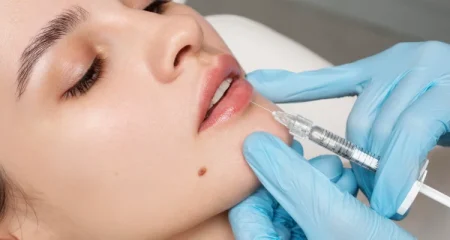


What Is Lip Asymmetry Correction?
Treatment designed to improve differences between the two sides of the lips can involve surgical or nonsurgical methods. Depending on the underlying cause, Lip Asymmetry Correction may adjust lip height, volume, border shape, tissue position, or movement to create better balance.
Minor asymmetry is a normal feature of most faces and does not automatically require treatment. More noticeable differences may involve the upper lip, lower lip, Cupid’s bow, mouth corners, or several areas simultaneously.
Treatment selection depends on anatomy rather than appearance alone. Fillers may help certain volume differences, while scar revision, tissue repositioning, reduction, or other surgical approaches can address selected structural problems.
Perfect symmetry cannot be guaranteed. Facial bones, teeth, muscles, nerves, soft tissues, and natural movement all influence lip position, so realistic treatment usually focuses on reducing visible imbalance while preserving normal expression and function.
What Causes Uneven Lips?
Differences between the two sides of the mouth can develop from natural anatomy, muscle activity, dental relationships, skeletal structure, previous procedures, trauma, or scar formation. Before Lip Asymmetry Correction is considered, identifying the main cause helps determine which treatment may provide a meaningful improvement.
Some asymmetries are visible at rest, while others become apparent only during smiling or speaking. This distinction can indicate whether the difference is mainly structural or related to dynamic muscle activity.
Previous filler, lip surgery, dental treatment, or facial procedures can also influence symmetry. Swelling and tissue changes may create temporary differences that improve naturally.
Because several factors can occur together, correcting only volume may not solve every uneven appearance. Evaluation should consider the lips as part of the broader facial and dental anatomy.
How Lip Asymmetry Is Evaluated Before Treatment
Assessment usually begins by comparing lip height, volume, projection, vermilion exposure, border shape, and mouth-corner position. When planning Lip Asymmetry Correction, these features should be examined both at rest and during movements such as smiling and speaking.
The Cupid’s bow and relationship between the upper and lower lips can provide additional information. Dental midline, tooth show, jaw position, and underlying skeletal differences may also contribute to visible imbalance.
Previous photographs can be useful when asymmetry developed after surgery, filler, trauma, or another procedure. They may help distinguish pre-existing differences from newer changes.
Treatment planning should identify which anatomical layer creates the concern. Skin, fat, muscle, scar tissue, filler material, dental structures, and bone can each influence lip symmetry differently.
Lip Asymmetry Caused by Natural Anatomy
Natural facial development commonly produces small differences between the left and right sides. Unequal vermilion height, Cupid’s bow shape, muscle activity, or mouth-corner position may all contribute. When these differences are noticeable, Lip Asymmetry Correction can target selected features rather than attempting to redesign the entire mouth.
Treatment depends on the type of asymmetry. A volume difference may require a different approach from unequal lip height or a structural difference in the vermilion border.
Natural skeletal and dental asymmetry can also affect the lips. In such cases, treating soft tissue alone may provide limited correction.
Complete symmetry is rarely a realistic goal because normal facial movement itself is not perfectly identical on both sides. Treatment generally aims to reduce disproportion while maintaining natural character and expression.
Lip Asymmetry After Previous Cosmetic Procedures
Fillers, lip lifts, reduction procedures, scar revisions, and other treatments can occasionally leave differences in volume, height, or contour. After the tissues have adequately healed, Lip Asymmetry Correction may address persistent irregularities related to a previous procedure.
The treatment strategy depends on what caused the difference. Uneven filler distribution requires a different approach from unequal tissue removal or asymmetric surgical elevation.
Temporary swelling should not be mistaken for a permanent result. Early asymmetry after a procedure can improve as inflammation decreases and tissues settle.
Previous treatment also changes anatomy. Scar tissue, altered tissue planes, or residual injectable material can make secondary correction more complex. Accurate information about earlier procedures can therefore be useful when developing a corrective plan.
Lip Asymmetry After Trauma or Injury
Cuts, burns, blunt injuries, and other facial trauma can change lip contour through tissue loss, swelling, nerve damage, muscle injury, or scar formation. When these changes persist, Lip Asymmetry Correction may focus on restoring more balanced shape and movement.
Traumatic asymmetry can involve several anatomical layers simultaneously. The vermilion border may become uneven, while deeper muscle or nerve damage can affect movement during speech and smiling.
Treatment therefore depends on the nature and extent of the injury. Scar revision, tissue repositioning, volume restoration, or reconstructive techniques may be considered in selected cases.
Adequate healing is important before final asymmetry is assessed unless an injury requires earlier medical or reconstructive treatment. Mature scar characteristics can significantly influence the eventual corrective strategy.
Lip Asymmetry Related to Scar Tissue
Scar formation can pull the lip in a particular direction or create localized firmness, indentation, elevation, or restriction. When scarring changes lip position, Lip Asymmetry Correction may involve techniques designed to release, reposition, or revise affected tissue.
The source of the scar can include previous surgery, trauma, burns, infection, or other injuries. Its depth and relationship with underlying muscle influence the available treatment options.
Not every firm scar requires surgery. Scars naturally change during maturation and may become softer and less noticeable over several months.
Persistent functional restriction or significant contour distortion requires more detailed evaluation. Secondary surgery creates additional scar tissue, so the expected benefit should be balanced against the possibility of new or recurrent irregularities.
Upper Lip Asymmetry Correction
Unequal upper-lip height can affect the Cupid’s bow, vermilion exposure, tooth show, or relationship with the nose. Depending on the cause, Lip Asymmetry Correction may focus on volume, border position, tissue length, or localized scar-related changes.
The two peaks of the Cupid’s bow should be evaluated individually because natural differences are common. One side may contain less visible vermilion even when overall lip volume is similar.
Upper-tooth position and nasal asymmetry can also influence how balanced the upper lip appears. These structures should be considered before altering lip tissue.
Surgical and nonsurgical options produce different types of changes. The appropriate method depends on whether the asymmetry comes primarily from volume deficiency, excess tissue, vertical position, scarring, or dynamic movement.
Lower Lip Asymmetry Correction
Differences in lower-lip volume, border height, projection, or movement can create noticeable imbalance. When the cause can be modified, Lip Asymmetry Correction may target only the affected portion while preserving natural fullness elsewhere.
Lower-lip asymmetry can originate from natural anatomy, trauma, scar tissue, previous filler, surgery, dental relationships, or muscle and nerve function. Identifying the responsible structure is essential before treatment.
Volume-based differences may respond differently from structural or movement-related concerns. Simply adding tissue to the smaller side does not necessarily correct asymmetry caused by muscle activity or scar contraction.
Balance with the upper lip should also be considered. Treating one isolated area can change overall mouth proportions, making full facial assessment important even when only the lower lip requires correction.
Correcting Uneven Lip Height
Vertical differences can make one side of the vermilion sit higher or lower than the other. Depending on the anatomy, Lip Asymmetry Correction may involve adding volume, reducing tissue, repositioning the lip border, releasing a scar, or adjusting a previous surgical result.
Treatment should distinguish between true height differences and apparent asymmetry caused by volume. A fuller side may look vertically larger even when the border positions are similar.
Facial movement can reveal additional information. Uneven height that appears only during smiling may involve muscular or neurological factors rather than a fixed structural difference.
Correction therefore requires an individualized strategy. Removing or adding the same amount of tissue on both sides would not necessarily improve balance and could make existing differences more noticeable.
Factors That Can Affect Lip Symmetry Over Time
Lip symmetry can change as facial tissues age, dental structures shift, volume changes, or previous cosmetic treatments evolve. Even after successful Lip Asymmetry Correction, future changes in surrounding anatomy can gradually influence the relationship between the two sides.
Weight fluctuations and age-related tissue changes may alter facial proportions. Dental treatment, tooth loss, jaw changes, trauma, and new scars can also influence lip support.
Temporary injectable treatments naturally change as their effects diminish. Additional cosmetic procedures can further modify volume or movement and potentially affect an earlier result.
For these reasons, long-term symmetry should not be viewed as completely static. The face continues changing throughout life, and small differences may become more or less noticeable over time.
Possible Risks of Lip Asymmetry Correction
Potential risks vary according to whether treatment involves injections, surgery, scar revision, or another technique. With surgical Lip Asymmetry Correction, concerns can include infection, bleeding, swelling, altered sensation, scarring, contour irregularities, overcorrection, undercorrection, and persistent asymmetry.
Secondary procedures may be more complex because previous treatment can alter normal tissue planes. Additional scar formation can also influence the final contour.
Perfect symmetry cannot be guaranteed even when treatment proceeds as planned. Natural muscle activity, skeletal differences, healing, and pre-existing anatomy continue to influence appearance.
Risk assessment should therefore be specific to the proposed technique. Increasing pain, spreading redness, fever, drainage, major swelling, or unexpected functional changes after treatment require medical evaluation.
Secondary Procedures for Residual Lip Asymmetry
Additional treatment may be considered when a meaningful difference remains after the initial correction has fully settled. Depending on the cause, secondary Lip Asymmetry Correction can involve localized volume adjustment, scar revision, tissue repositioning, reduction, or another targeted procedure.
Timing matters because swelling and scar firmness can create temporary unevenness. Allowing adequate healing may reveal that some early differences improve without additional intervention.
Previous treatment should be reviewed carefully before another procedure. Removing more tissue from an already operated lip can make future correction increasingly difficult.
Residual asymmetry may also originate from an untreated deeper structure rather than the first correction itself. Reassessment of muscle activity, dental relationships, skeletal anatomy, and scar tissue can help determine whether another procedure is likely to provide meaningful improvement.
Lip Asymmetry Correction Prices 2026
Treatment costs vary substantially because lip asymmetry is a finding rather than one specific procedure. During 2026, pricing for Lip Asymmetry Correction may depend on whether the treatment involves filler adjustment, scar management, tissue reduction, surgical repositioning, revision surgery, or a combination of techniques.
Frequently Asked Questions
Can naturally uneven lips be corrected?
Natural differences can often be reduced when the anatomical cause is suitable for treatment. Depending on whether the issue involves volume, height, border shape, or tissue position, Lip Asymmetry Correction may use surgical or nonsurgical techniques.
Complete symmetry should not be assumed. Skeletal structure, dental position, muscle activity, and normal facial movement can continue to create subtle differences even after successful treatment.
Why is one side of my lip higher than the other?
Unequal lip height can result from natural anatomy, muscle activity, dental or skeletal differences, scar tissue, trauma, or previous cosmetic treatment. Before considering Lip Asymmetry Correction, the difference should be evaluated at rest and during facial movement.
A structural difference that remains constant may require a different approach from asymmetry that appears mainly while smiling. Identifying the underlying cause helps guide appropriate treatment.
Can fillers fix uneven lips?
Injectable volume can improve selected asymmetries when one area lacks fullness or requires subtle contour adjustment. In appropriate cases, Lip Asymmetry Correction with filler can balance volume without surgery.
Fillers cannot correct every cause. Scar contraction, significant tissue excess, skeletal differences, nerve problems, or strong asymmetric muscle movement may remain despite added volume, so treatment should match the anatomical problem.
Can lip asymmetry be corrected permanently?
Long-lasting correction may be possible when surgery addresses a stable structural difference, although perfect lifelong symmetry cannot be guaranteed. Surgical Lip Asymmetry Correction can permanently remove or reposition tissue, depending on the technique.
Aging, dental changes, trauma, muscle activity, and future cosmetic procedures can still alter symmetry over time. Permanent tissue changes therefore do not mean the lips will remain completely unchanged throughout life.
Can surgery correct one side of the lip only?
Treatment can sometimes be limited to one side when the asymmetry is clearly localized and unilateral correction provides the best balance. During surgical Lip Asymmetry Correction, tissue may be reduced, repositioned, released, or otherwise adjusted only where necessary.
The untreated side still needs to be evaluated because it provides the reference for proportion and movement. Correcting one side should improve overall balance without creating a new difference elsewhere.