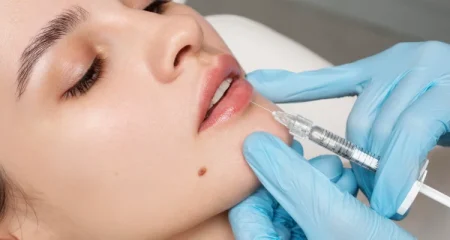


What Is Revision Lip Lift?
Secondary surgery can address selected functional, structural, or cosmetic concerns that remain after a previous lip-lift procedure. Depending on the original technique and current anatomy, a Revision Lip Lift may involve scar correction, tissue repositioning, asymmetry treatment, or modification of an undercorrected or overcorrected result.
Revision procedures differ from primary surgery because the tissues have already been altered. Scar formation, previous skin removal, changes in blood supply, and reduced tissue mobility can make surgical planning more complex.
Not every concern requires another operation. Swelling, firmness, temporary asymmetry, and scar redness can continue changing for months during normal healing.
A detailed assessment should identify the original technique and the specific cause of the problem. Remaining skin, vermilion exposure, dental show, nasal-base anatomy, lip movement, and existing scars all influence which corrective options may be appropriate.
Why Is Revision Lip Lift Surgery Performed?
Persistent concerns after an initial procedure can involve lip height, symmetry, scar appearance, tooth exposure, nasal-base shape, or facial movement. When these issues remain after adequate healing, a Revision Lip Lift may be considered to improve selected aspects of the previous result.
Some patients experience insufficient elevation and still have a relatively long upper lip. Others may have excessive shortening, uneven tissue removal, visible scarring, or distortion around the nostrils.
The cause matters because different problems require different corrective strategies. Additional lifting may help certain undercorrected cases, while excessive elevation can require methods intended to restore or redistribute tissue.
Secondary surgery should not be planned solely from an early postoperative appearance. Scar maturation and tissue relaxation can alter the result substantially, making adequate healing time important before permanent structural concerns are identified.
Common Reasons Patients Seek Lip Lift Revision
Several issues can lead someone to consider corrective surgery after a previous lip lift. Persistent asymmetry, undercorrection, overcorrection, noticeable scarring, excessive dental show, nostril distortion, and altered Cupid’s bow shape are among concerns that may prompt evaluation for a Revision Lip Lift.
Tightness or restricted movement can also become relevant when it persists beyond the expected healing period. In other cases, the original result may simply differ from the intended proportions.
Not every dissatisfaction originates from a surgical error. Pre-existing asymmetry, scar behavior, individual healing, dental anatomy, and natural tissue changes can influence the final appearance.
Determining the underlying cause helps establish whether another operation can realistically improve the concern. Some problems may respond to limited scar treatment or time rather than comprehensive revision surgery.
Correcting an Overly Shortened Upper Lip
Excessive skin removal can leave the upper lip disproportionately short and may increase tooth or gum exposure. Correcting this problem through a Revision Lip Lift can be challenging because tissue removed during the first operation cannot simply be replaced.
Treatment depends on the severity and location of the shortage. Scar release, tissue rearrangement, local advancement, or other reconstructive strategies may be considered according to the available anatomy.
Early postoperative tightness should be distinguished from true overcorrection. Swelling and scar contraction can temporarily make the upper lip appear shorter than its eventual position.
Severe cases require particularly cautious planning because additional surgery can create more scarring. The objective is usually to improve proportion and function rather than promise complete restoration of the original anatomy.
Revision Lip Lift for Insufficient Lip Elevation
An undercorrected result may leave the philtrum longer or the vermilion less visible than originally intended. When enough tissue remains and anatomy permits, a Revision Lip Lift may provide additional elevation after the first procedure has adequately healed.
The original incision and amount of previous skin removal should be evaluated before further shortening. Existing scars can affect tissue mobility and influence where new incisions can safely be placed.
Additional elevation should remain conservative. Attempting to compensate for undercorrection with aggressive tissue removal may increase the risk of excessive tooth show, tension, or nasal-base distortion.
The desired result should also be reassessed before revision. Facial proportions, lip mobility, dental exposure, and changes that occurred during healing can affect how much additional correction is appropriate.
Treating Uneven Lip Height After Previous Surgery
Asymmetrical elevation can make one side of the upper lip appear higher than the other. When the difference remains after healing, a Revision Lip Lift may use targeted tissue adjustment to improve balance between the two sides.
Before correction, natural asymmetry should be separated from changes caused by the original operation. Differences in nostril position, dental anatomy, skeletal structure, muscle movement, and vermilion height can all influence lip symmetry.
Revision planning may require different adjustments on each side rather than equal tissue removal. The goal is visual improvement, not mathematically identical measurements.
Dynamic assessment is equally important. A lip that appears balanced at rest may move asymmetrically during smiling or speech, so both static and moving facial expressions should be examined.
Revision Lip Lift for Asymmetric Nostrils
Changes around the nasal base can occasionally become noticeable after a lip lift, particularly when tension or tissue removal affects the nostril region unevenly. In selected cases, a Revision Lip Lift may address scar tension or tissue positioning that contributes to visible nostril asymmetry.
Not all nostril differences are caused by lip surgery. Many people have pre-existing nasal asymmetry that may become more noticeable after nearby facial changes.
Previous rhinoplasty, nasal trauma, scar formation, and natural alar anatomy should therefore be reviewed before planning correction. Photographs taken before the first procedure can be useful when available.
Revision should focus on the structure responsible for the asymmetry. Additional lip elevation alone may not correct a problem involving the nose itself and could potentially increase unwanted tension.
Correcting Distorted Cupid’s Bow After Lip Lift Surgery
Uneven central elevation can change the shape of the Cupid’s bow or create disproportion between its two peaks. When distortion persists after healing, a Revision Lip Lift may involve localized scar release, tissue repositioning, or other corrective techniques based on the underlying problem.
The natural shape before the first operation is important. Some asymmetry may have existed previously and can become more noticeable after surgery.
Vermilion height and central lip movement should also be evaluated. Correcting the visible border without considering deeper tissue relationships may produce an incomplete result.
Revision should generally preserve as much healthy tissue as possible. Excessive additional skin removal can make correction more difficult, particularly when the upper lip has already been significantly shortened.
Revision Options for Excessive Tooth Show
Too much upper-tooth or gum exposure can develop when the upper lip has been elevated beyond proportions suitable for the individual anatomy. Corrective planning for a Revision Lip Lift first determines whether excessive shortening, scar contraction, lip mobility, or dental factors are responsible.
Treatment options depend heavily on the amount of remaining tissue. Scar release or tissue repositioning may help selected cases, while significant tissue deficiency can make correction more difficult.
Timing is important because early postoperative elevation may decrease as swelling resolves and tissues relax. Immediate assumptions about the final amount of tooth show can therefore be misleading.
Any corrective procedure should consider dental exposure both at rest and during smiling. The aim is proportional improvement while maintaining natural lip movement and facial expression.
Managing Tightness After a Previous Lip Lift
Firmness and tightness are common during early healing because swelling and scar formation temporarily reduce tissue flexibility. When these sensations continue, evaluation before a Revision Lip Lift can help determine whether the cause is normal scar maturation, excessive tension, tissue shortage, or another issue.
Many scars gradually soften over several months. For this reason, persistent tightness does not automatically mean another operation is required.
Functional symptoms deserve particular attention. Difficulty with comfortable lip closure, unusual pulling during speech, or significant restriction during facial expression may require more detailed assessment.
Treatment depends on the cause and severity. Additional surgery performed too early can introduce new scar tissue before the original tissues have fully matured, potentially complicating subsequent correction.
Risks Associated With Revision Lip Lift Procedures
Secondary operations generally involve previously operated tissue, which can make healing and surgical dissection less predictable. Potential risks of a Revision Lip Lift include infection, bleeding, delayed healing, noticeable scarring, asymmetry, contour irregularity, sensory changes, and persistent dissatisfaction with lip position.
Existing scar tissue can reduce normal tissue flexibility and alter anatomical planes. In some cases, blood supply may also require additional consideration during surgical planning.
Further correction can occasionally create new problems, including excessive shortening or changes around the nasal base. Complete restoration of the preoperative anatomy may not always be possible.
Realistic expectations are therefore particularly important. Revision surgery generally aims to improve a specific problem rather than guarantee perfect symmetry, invisible scars, or complete reversal of every change from the original procedure.
Revision Lip Lift Prices 2026
Secondary lip surgery can vary substantially in cost because the extent of correction is highly individualized. During 2026, pricing for a Revision Lip Lift may depend on the original procedure, current anatomy, scar tissue, complexity of reconstruction, anesthesia, and whether other corrective treatments are required.
Frequently Asked Questions
Can a bad lip lift be corrected?
Many unwanted outcomes can potentially be improved, but the available options depend on the specific problem and remaining anatomy. After complete assessment, a Revision Lip Lift may address selected concerns such as asymmetry, undercorrection, scar problems, excessive elevation, or contour distortion.
Complete reversal is not always possible because removed tissue cannot simply be restored. The achievable correction depends on tissue availability, scars, previous technique, and severity.
How soon can a lip lift revision be performed?
Timing depends on the problem, healing progress, and whether there is an urgent functional concern. Before planning a Revision Lip Lift, sufficient time is often needed for swelling to resolve and scars to soften so the long-term result can be assessed more accurately.
Scar maturation can continue for many months. Earlier intervention may sometimes be necessary for specific complications, but routine cosmetic revision is generally considered only after appropriate healing.
Is revision lip lift more complicated than the first surgery?
Previous surgery can make secondary treatment more technically complex because normal tissue planes have been altered and scar tissue is present. During a Revision Lip Lift, the amount of remaining skin and changes in tissue mobility may limit available corrective options.
Complexity varies considerably. A small scar correction differs from reconstruction of significant overcorrection, so the original technique and current anatomy are important factors.
Can an overdone lip lift be reversed?
Complete reversal may not be possible because surgically removed skin cannot simply grow back. However, a carefully planned Revision Lip Lift may improve selected effects of overcorrection through scar release, tissue repositioning, or reconstructive techniques when anatomy permits.
The degree of improvement depends on remaining tissue, scar formation, lip mobility, and the severity of shortening. Expectations should therefore focus on achievable correction rather than guaranteed restoration.
Can revision surgery lower an upper lip that was lifted too much?
Lowering may be possible in selected cases, particularly when scar tension or tissue positioning contributes to excessive elevation. Depending on available anatomy, a Revision Lip Lift can involve scar release, tissue redistribution, or reconstructive methods intended to improve vertical lip position.
Severe tissue shortage makes correction more challenging. A detailed examination is necessary to determine whether meaningful lowering can be achieved without creating additional functional or cosmetic problems.