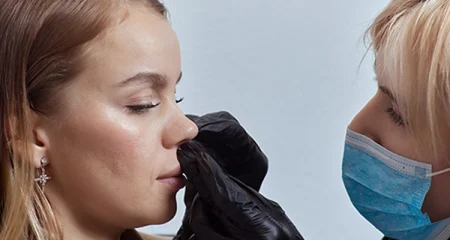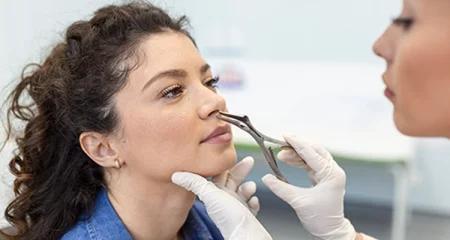


What Is Nasal Valve Reconstruction?
Surgery that restores support to narrowed or weakened nasal airway structures is known as nasal valve reconstruction. The nasal valve is one of the narrowest areas inside the nose. When this region weakens or collapses, airflow can become restricted during breathing. Structural correction may involve cartilage, surrounding tissues, or the lateral nasal wall.
Treatment aims to improve airway stability while maintaining balanced nasal shape. Cartilage grafts may be used when additional support is necessary. Some cases involve the internal valve, while others affect the external nostril region. The procedure can be performed alone or alongside other nasal surgery. Early swelling may temporarily make breathing feel restricted after treatment. Functional improvement generally becomes clearer as internal tissues heal. Results depend on the cause of obstruction, existing anatomy, structural support, and the extent of reconstruction required.
Why Is Nasal Valve Reconstruction Performed?
Persistent airflow restriction caused by weak or narrowed nasal structures may be treated through nasal valve reconstruction. The procedure is often considered when the nasal sidewall collapses inward during breathing. Previous surgery, trauma, natural anatomy, or weakened cartilage can contribute to this problem. Some people notice greater obstruction during exercise or deep inhalation.
Treatment focuses on improving structural support rather than simply enlarging the nostril opening. Cartilage may be repositioned or added to help maintain a more stable airway. Septal deviation can also exist alongside valve dysfunction and may require separate correction. Functional goals usually take priority, although nasal appearance can change when support is restored. Not every breathing problem originates from the nasal valve. Allergies, inflammation, and other conditions can also restrict airflow. Proper planning therefore depends on identifying the exact structural source of obstruction.
Who Is a Good Candidate for Nasal Valve Reconstruction?
People with structural nasal valve weakness and persistent breathing difficulty may be suitable candidates for nasal valve reconstruction. Symptoms can include obstruction that worsens during deep breathing, exercise, or sleep. Previous nasal surgery or trauma may also create weakness in the lateral nasal wall. Suitable general health and realistic expectations are important before elective reconstruction.
Not every person with congestion requires structural surgery. Allergies, swelling, or inflammation can produce similar symptoms without true valve collapse. The nasal septum should also be evaluated because deviation can contribute to airflow restriction. Smoking and some medical conditions may affect tissue healing after surgery. Candidate selection depends on symptoms, anatomy, valve stability, previous procedures, and breathing function. The procedure is most appropriate when obstruction is linked to correctable structural weakness rather than temporary nasal swelling.
What Is Nasal Valve Collapse?
A weakened nasal sidewall that narrows inward during breathing is commonly described as nasal valve collapse. This narrowing can affect the internal nasal valve or the outer nostril region. The problem may remain present at rest or become more noticeable during deep inhalation. Reduced structural support allows airflow pressure to pull vulnerable tissues inward.
Symptoms can include one-sided or two-sided blockage and difficulty breathing through the nose. Some people notice improvement when gently pulling the cheek outward. Collapse can develop naturally or follow trauma, aging, or previous nasal surgery. Septal deviation may also worsen the obstruction. The severity varies depending on cartilage strength and airway anatomy. Treatment depends on identifying whether the problem involves dynamic collapse, fixed narrowing, or both. Structural support may be needed when weakness significantly affects normal airflow.
What Causes Nasal Valve Dysfunction?
Weak cartilage, previous surgery, trauma, aging, septal deviation, and natural anatomy can all contribute to nasal valve dysfunction. The nasal valve depends on stable cartilage and surrounding tissues to remain open during breathing. When support weakens, the sidewall can narrow or collapse inward. Some people naturally have a relatively narrow valve angle.
Previous rhinoplasty may reduce support if too much cartilage is removed or repositioned. Facial injury can also change nasal alignment and weaken surrounding structures. Aging may gradually reduce cartilage strength and soft-tissue support. Septal deviation can further narrow the available airway space. Inflammation and allergies may worsen symptoms even when structural weakness is the main problem. More than one cause can exist at the same time. Treatment planning therefore requires evaluation of cartilage support, septal position, airway width, and dynamic movement during breathing.
What Symptoms Can Nasal Valve Reconstruction Improve?
Persistent nasal blockage, reduced airflow, and collapse during deep breathing may improve after nasal valve reconstruction when structural weakness causes the symptoms. Some people experience obstruction primarily on one side. Others notice greater difficulty during exercise, sleep, or rapid breathing. The nose may also feel more open when the cheek is gently pulled outward.
Structural correction can help when weakened cartilage allows the nasal sidewall to move inward. It may also improve airflow when fixed narrowing contributes to obstruction. However, surgery does not treat every source of nasal congestion. Allergies, inflammation, and sinus conditions can continue causing symptoms after structural correction. Early swelling may temporarily make breathing worse before improvement becomes noticeable. Functional results depend on the original cause, severity of collapse, structural repair, and individual healing.
How Is Nasal Valve Reconstruction Performed?
After the narrowed or weak area is identified, nasal valve reconstruction is performed by strengthening or repositioning supporting nasal structures. Cartilage grafts may be placed to widen or stabilize the internal valve. The lateral nasal wall can also be reinforced when it collapses during inhalation. Surgical access may be created through internal or small external incisions.
Some procedures use existing septal cartilage as structural support. Other suitable cartilage sources may be considered when additional material is required. The septum can also be corrected if deviation contributes to obstruction. Once support is restored, the tissues are repositioned and incisions are closed. A splint may be used during early healing. Internal swelling can temporarily restrict breathing after surgery. Airflow generally becomes easier to evaluate as the tissues settle and structural support stabilizes.
What Techniques Are Used in Nasal Valve Reconstruction?
Cartilage grafting, lateral wall reinforcement, septal correction, and structural repositioning are common nasal valve reconstruction techniques. Spreader grafts can help widen and support the internal nasal valve. Batten grafts may reinforce a weak lateral wall that collapses during breathing. Other graft designs can support the nostril margin or lower sidewall.
The chosen technique depends on whether narrowing is fixed, dynamic, or caused by several structures together. Septal cartilage is often useful when suitable support material is available. Ear or rib cartilage may be considered when more graft material is required. Suturing techniques can also reposition existing cartilage without extensive removal. Several methods may be combined when collapse involves different airway regions. Treatment should focus on restoring stable airflow while preserving balanced nasal structure. Technique selection depends on anatomy, cartilage strength, previous surgery, and functional requirements.
Can Nasal Valve Reconstruction Improve Breathing?
Yes, breathing may improve when nasal valve reconstruction corrects structural weakness or narrowing responsible for restricted airflow. Strengthening the sidewall can reduce inward collapse during inhalation. Widening the internal valve may also create more space for airflow. Functional improvement is most likely when valve dysfunction is clearly identified as a major cause.
Other nasal problems can still affect breathing after reconstruction. Septal deviation, allergies, inflammation, or sinus conditions may require separate management. Early postoperative swelling can temporarily make the nose feel more blocked. Improvement therefore usually develops gradually rather than immediately. The degree of benefit depends on the severity of collapse, associated structural problems, surgical correction, and healing response. Stable support is important because the valve must remain open during normal and deeper breathing.
Is Nasal Valve Reconstruction Different from Septoplasty?
Yes, septoplasty corrects the nasal septum, while nasal valve reconstruction focuses on supporting or widening the valve region. Septoplasty straightens or repositions internal cartilage and bone dividing the two nasal passages. It can improve airflow when septal deviation is the main source of obstruction. Valve reconstruction addresses a different area of the nasal airway.
Some people have both septal deviation and nasal valve collapse. Treating only one problem may leave persistent breathing difficulties when both contribute to obstruction. Valve treatment can involve cartilage grafts or lateral wall support. Septoplasty usually concentrates on the central internal partition. The two procedures can be combined during the same operation when necessary. Choosing the appropriate treatment depends on where the airway is narrowed, how the tissues behave during breathing, and which structures require support.
Can Nasal Valve Reconstruction Be Combined with Rhinoplasty?
Yes, structural airway repair can be performed during rhinoplasty when both function and nasal shape require correction. Combining nasal valve reconstruction with cosmetic or structural rhinoplasty can address several related concerns in one operation. Changing the bridge or tip can influence valve stability. Existing weakness should therefore be considered during broader nasal reshaping.
Cartilage grafts used for valve support can sometimes also improve external nasal structure. Septal correction may be added when internal deviation contributes to breathing difficulty. Combining procedures can coordinate functional and cosmetic changes more effectively. However, the operation may become more complex and recovery can involve additional swelling. The decision depends on airway anatomy, external nasal structure, cartilage support, breathing symptoms, and the planned rhinoplasty changes.
How Should You Prepare for Nasal Valve Reconstruction?
Health history, medications, breathing symptoms, previous nasal surgery, and smoking habits should be reviewed before nasal valve reconstruction. Existing allergies and inflammatory nasal conditions should also be considered because they can affect breathing independently. Previous trauma may provide important information about structural weakness. Medications and supplements may influence bleeding or healing.
Smoking can reduce blood flow and interfere with tissue recovery. Expectations should focus on improving structural airflow rather than guaranteeing completely unrestricted breathing. Practical preparation includes allowing time for temporary congestion, swelling, and reduced physical activity. Previous photographs may help clarify changes after earlier surgery or injury. The procedure should be planned around the exact location and cause of valve dysfunction. Understanding that breathing may initially feel worse because of swelling can help create realistic expectations for recovery.
How Long Does Nasal Valve Reconstruction Take?
The operation generally takes several hours, although nasal valve reconstruction duration depends on complexity and additional procedures performed. A limited grafting procedure may require less time than extensive structural rebuilding. Septoplasty, rhinoplasty, or cartilage harvesting can extend the total surgical period. Previous nasal surgery may also increase complexity because of scar tissue.
Several valve areas can require support during the same operation. Graft shaping and precise positioning also contribute to surgical time. Anaesthesia preparation and postoperative monitoring are separate from the actual operation. Procedure length does not predict the quality of the functional result. Duration ultimately depends on the location of collapse, available cartilage, associated septal problems, previous surgery, and whether broader nasal reconstruction is required.
Frequently Asked Questions
What Is the Recovery Process After Nasal Valve Reconstruction?
Early healing often includes congestion, swelling, tenderness, and temporary difficulty breathing, while nasal valve reconstruction recovery continues gradually for several months. Internal swelling can initially narrow the airway despite successful structural correction. A splint or temporary internal support may be used during the early stage. Mild bruising can also occur when broader nasal work is performed.
How Long Does Swelling Last After Nasal Valve Reconstruction?
Visible swelling often improves within several weeks, while swelling after nasal valve reconstruction can continue decreasing for several months. Internal swelling may last longer than external puffiness and can temporarily affect breathing. Grafted areas may also feel firm or slightly fuller during the early healing period.
What Should You Avoid After Nasal Valve Reconstruction?
Heavy exercise, nose blowing, nasal pressure, smoking, and accidental impacts should generally be avoided during early healing. Throughout nasal valve reconstruction recovery, strenuous activity can increase facial pressure and temporarily worsen swelling. Contact sports create additional risk because healing cartilage and grafts remain vulnerable.
What Are the Risks of Nasal Valve Reconstruction?
Bleeding, infection, persistent obstruction, asymmetry, scarring, and contour changes are possible risks of nasal valve reconstruction. Temporary swelling, congestion, tenderness, and numbness are common during early recovery. Cartilage grafts can occasionally shift, become visible, or heal differently than expected.
can be mild during quiet breathing and become stronger during exercise.