

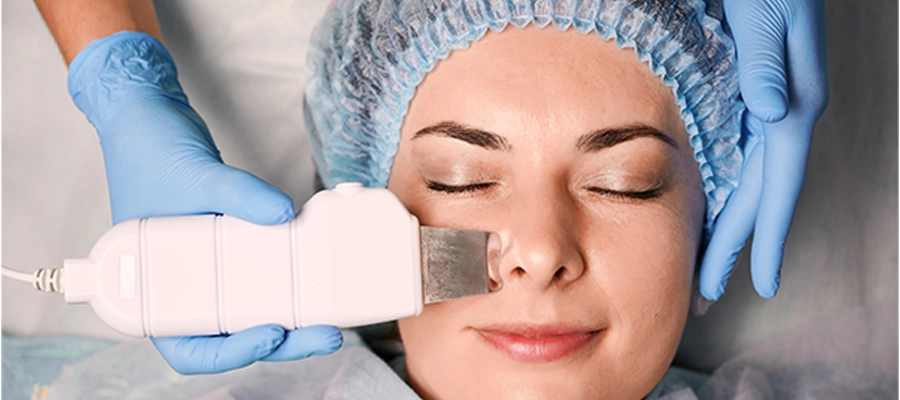
What Is Ultrasonic Piezo Rhinoplasty?
A technique using ultrasonic energy to cut and reshape nasal bone precisely is known as ultrasonic rhinoplasty or piezo rhinoplasty. Piezoelectric instruments generate controlled vibrations designed to act primarily on mineralized structures such as bone. This allows selected bone changes without relying entirely on conventional manual instruments.
The technology can be used for bridge reshaping, bone narrowing, hump correction, and selected structural adjustments. However, cartilage and soft-tissue work may still require conventional rhinoplasty techniques. Piezo technology describes the instrument used for certain surgical steps rather than an entirely separate type of nasal surgery. Results therefore depend on the complete surgical plan, anatomy, functional requirements, and healing response. The technique may be combined with open, structural, preservation, or other rhinoplasty approaches when appropriate for the required correction.
Why Is Ultrasonic Piezo Rhinoplasty Performed?
Controlled reshaping of nasal bones is the main reason surgeons may use ultrasonic technology during rhinoplasty. With piezo rhinoplasty, bone can be cut or contoured using powered ultrasonic instruments rather than relying exclusively on traditional osteotomes and rasps. This can provide precise control when changing bridge width, height, or alignment.
The technique may be useful when a dorsal hump includes a substantial bony component. Crooked nasal bones can also require controlled repositioning during correction. However, ultrasonic instruments do not replace every stage of nasal surgery. Cartilage, septal structures, tip support, and soft tissues may require additional techniques. The decision to use piezo technology depends on the specific anatomical changes required. Nasal structure, bone thickness, breathing function, previous trauma, and overall treatment goals influence whether ultrasonic instruments provide a useful surgical option.
Who Is a Good Candidate for Ultrasonic Piezo Rhinoplasty?
People requiring controlled nasal bone reshaping may be suitable candidates for ultrasonic rhinoplasty when their anatomy supports this surgical approach. Potential candidates may have a prominent bony bridge, nasal width concerns, asymmetry, or structural changes requiring bone repositioning. Suitable general health and realistic expectations are also important when considering nasal surgery.
Not every rhinoplasty requires ultrasonic bone instruments. Procedures focused mainly on cartilage or minor tip refinement may gain limited benefit from piezo technology. Previous nasal surgery and significant trauma can also change the available surgical options. Skin thickness, cartilage strength, septal anatomy, and breathing function remain important regardless of the instruments used. Candidate selection should therefore focus on the actual structural problem rather than choosing surgery solely because a particular technology is available.
What Concerns Can Ultrasonic Piezo Rhinoplasty Address?
Bony dorsal humps, bridge width, nasal bone asymmetry, and selected structural deviations may be addressed using piezo rhinoplasty techniques. Ultrasonic instruments can help reshape or cut nasal bone during procedures requiring controlled skeletal modification. This may include smoothing bony irregularities or creating precise bone cuts for repositioning.
Cartilage-related concerns require different techniques because piezo devices primarily target mineralized tissue. Tip shape, cartilage weakness, and some septal problems may therefore require conventional surgical methods during the same operation. Functional concerns can also be treated when structural abnormalities affect airflow. The technology does not determine which nasal problems are correctable by itself. Treatment depends on the complete anatomy, including bone, cartilage, septum, nasal valves, skin characteristics, and existing structural support.
How Does Piezo Technology Work in Rhinoplasty?
Piezoelectric instruments generate ultrasonic vibrations that allow controlled cutting or reshaping of mineralized nasal structures during piezo rhinoplasty. Specialized tips can be selected for cutting, smoothing, or contouring bone according to the required correction. The technology is designed to provide precise action around targeted bony structures.
Soft tissues respond differently from mineralized bone, allowing greater selectivity during appropriate surgical steps. However, surrounding tissues still require careful handling throughout the operation. Ultrasonic devices cannot perform every aspect of rhinoplasty because cartilage and other structures may need separate techniques. Access to the nasal bones must also be sufficient for the instrument being used. Piezo technology is therefore one component of a broader surgical approach. Its usefulness depends on anatomy, the type of bone correction required, and the overall structural plan.
How Is Ultrasonic Rhinoplasty Different from Traditional Rhinoplasty?
The main difference involves the instruments used for nasal bone modification rather than the overall objectives of surgery. During ultrasonic rhinoplasty, powered piezoelectric instruments can cut and contour bone using controlled vibrations. Traditional bone work commonly uses manual osteotomes, rasps, and other surgical instruments to perform similar structural changes.
Both approaches can correct bridge shape, nasal width, asymmetry, and selected skeletal problems. Cartilage and soft-tissue procedures may remain similar regardless of how bone is reshaped. Ultrasonic technology can provide controlled bone cutting, but it does not automatically produce better results for every person. Traditional techniques remain appropriate for many nasal structures and corrections. The selected method depends on anatomy, required bone changes, surgical approach, functional concerns, and the complete treatment plan rather than the instrument alone.
What Are the Benefits of Ultrasonic Piezo Rhinoplasty?
Precise bone reshaping and controlled skeletal cuts are important potential benefits of piezo rhinoplasty during suitable nasal procedures. Ultrasonic instruments can target mineralized structures while limiting unnecessary mechanical force around selected bone corrections. This can be useful when smoothing a bony bridge or creating planned osteotomies.
Greater control may help when detailed bone adjustments are required. Some patients may also experience reduced bruising or soft-tissue trauma, although recovery varies considerably between procedures. Piezo technology does not eliminate swelling, bruising, discomfort, or surgical risks. It also does not replace cartilage work, functional correction, or careful surgical planning. Potential advantages depend on the anatomy being treated and how extensively nasal bones require modification. The overall result remains influenced by structural planning, tissue handling, skin characteristics, healing, and individual nasal anatomy.
How Is Ultrasonic Piezo Rhinoplasty Performed?
After nasal structures are exposed appropriately, ultrasonic rhinoplasty uses specialized piezoelectric instruments for selected bone cuts and contouring. The device can reshape a bony hump, smooth irregularities, or create controlled cuts for repositioning nasal bones. Different instrument tips may be used according to the structural task being performed.
Cartilage and soft-tissue corrections are completed using techniques appropriate for those structures. The septum or nasal valves may also require treatment when breathing problems are present. Once bone and cartilage adjustments are completed, the nasal framework is stabilized and tissues are repositioned. Incisions are then closed, and a splint may protect the nose during early healing. Piezo technology therefore represents one part of the operation rather than the entire procedure. Final results develop gradually as swelling decreases.
Can Ultrasonic Piezo Rhinoplasty Improve Breathing?
Yes, breathing may improve when piezo rhinoplasty is combined with correction of structural abnormalities that restrict nasal airflow. Ultrasonic instruments themselves primarily reshape bone and do not directly treat every cause of nasal obstruction. A deviated septum, narrow nasal valves, or weakened cartilage may require additional functional techniques during surgery.
External bone deviation can sometimes contribute to internal narrowing and require skeletal correction. Functional treatment may therefore accompany ultrasonic bone reshaping when necessary. Allergies, inflammation, and other nonstructural conditions can continue causing congestion after surgery. Early postoperative swelling can also temporarily make nasal breathing feel restricted. Functional improvement becomes easier to assess as internal tissues recover. Long-term airflow depends on identifying the original obstruction and correcting all relevant structural areas rather than simply using ultrasonic technology.
Is Ultrasonic Piezo Rhinoplasty Less Traumatic to Nasal Tissues?
Ultrasonic instruments can provide more selective bone cutting and may reduce unnecessary mechanical trauma during certain skeletal corrections. In piezo rhinoplasty, ultrasonic vibrations primarily act on mineralized structures when the device is used appropriately. This differs from some conventional bone instruments that rely on manual mechanical force.
Reduced surrounding tissue disruption may contribute to less bruising in some procedures, but this outcome is not guaranteed. Rhinoplasty still involves tissue elevation, structural changes, swelling, and a normal healing response. Extensive cartilage work or bone repositioning can also influence postoperative symptoms. Surgical technique and the amount of correction remain important factors. Therefore, piezo technology may reduce trauma during selected bone-related steps, but describing the entire operation as minimally traumatic would oversimplify the recovery process.
How Should You Prepare for Ultrasonic Piezo Rhinoplasty?
Medical history, medications, nasal function, previous injuries, and treatment goals should be reviewed carefully before ultrasonic rhinoplasty. Existing breathing difficulties should be identified because functional correction may need to accompany cosmetic bone reshaping. Previous nasal procedures can also influence the available surgical techniques.
Medications and supplements may affect bleeding or healing and require appropriate review. They should not be changed without medical guidance. Smoking can interfere with blood circulation and tissue recovery. Expectations should focus on the overall surgical result rather than assuming ultrasonic technology guarantees faster healing. Practical preparation should include time for swelling, bruising, congestion, and temporary activity restrictions. The procedure still requires normal surgical recovery despite the specialized bone instruments. Anatomy, planned structural changes, health, and healing characteristics ultimately influence preparation and recovery.
How Long Does Ultrasonic Piezo Rhinoplasty Take?
The procedure commonly requires several hours, although ultrasonic rhinoplasty duration varies according to anatomy and the corrections being performed. Piezo bone reshaping represents only one stage of the operation. Tip refinement, septal correction, cartilage grafting, or nasal valve treatment can add substantial surgical time.
A straightforward bony hump correction may require less time than extensive structural reconstruction. Previous trauma or surgery can also increase complexity. The selected open or closed approach may influence the number of surgical steps required. Anaesthesia preparation and postoperative monitoring are separate from actual operating time. Using ultrasonic instruments does not automatically make surgery shorter or longer. Total duration depends primarily on nasal anatomy, bone changes, cartilage work, functional correction, grafting requirements, and the complexity of the planned result.
What Is the Recovery Process After Ultrasonic Piezo Rhinoplasty?
Early healing usually involves swelling, congestion, tenderness, and possible bruising, while piezo rhinoplasty recovery continues gradually for several months. A nasal splint may support the corrected structures during the first stage. Internal swelling can temporarily make breathing feel restricted. Bruising around the eyes may still occur when nasal bones are repositioned.
Daily activities generally return gradually as visible swelling and discomfort decrease. Ultrasonic bone work may limit some mechanical tissue trauma, but it does not eliminate normal postoperative healing. The nose remains sensitive to pressure and accidental impact during early recovery. Tip swelling can persist after the bridge appears relatively settled. Internal tissues also continue healing after the external appearance improves. Small contour changes may develop for many months. Recovery depends on surgical extent, skin characteristics, bone work, cartilage changes, and individual tissue response.
How Long Do Swelling and Bruising Last After Ultrasonic Piezo Rhinoplasty?
Bruising commonly improves within several weeks, while swelling after piezo rhinoplasty may continue decreasing for many months. Ultrasonic instruments can reduce mechanical trauma during selected bone corrections, but bruising can still occur. Early swelling is generally strongest during the first days after surgery.
The nasal tip often remains swollen longer than the bridge. Extensive cartilage work can prolong recovery even when ultrasonic technology is used for bone reshaping. Skin thickness also affects how quickly definition becomes visible. Heat and strenuous activity may temporarily increase swelling during healing. Some people experience relatively limited bruising, while others develop more noticeable discoloration. Recovery therefore cannot be predicted from the instrument alone. Final definition becomes clearer as deeper swelling resolves and nasal tissues adapt to their corrected structural positions.
Frequently Asked Questions
What Should You Avoid After Ultrasonic Piezo Rhinoplasty?
Heavy exercise, nasal pressure, smoking, forceful nose blowing, and accidental impacts should generally be avoided during early recovery. Throughout piezo rhinoplasty recovery, strenuous activity can increase facial pressure and temporarily worsen swelling. Contact sports create additional risk because repositioned nasal bones remain vulnerable during healing.
What Are the Risks of Ultrasonic Piezo Rhinoplasty?
Bleeding, infection, swelling, asymmetry, breathing changes, and contour irregularities remain possible risks of piezo rhinoplasty despite the specialized bone technology. Temporary congestion, bruising, tenderness, and numbness may occur during early recovery. Bone or cartilage can occasionally heal in a position different from the intended correction.
When Are Ultrasonic Piezo Rhinoplasty Results Visible?
Early structural changes become noticeable as initial swelling decreases, while ultrasonic rhinoplasty results continue developing over the following months. The bridge often becomes defined earlier than the nasal tip. Residual swelling can temporarily hide smaller contour changes even when precise bone reshaping has been performed.
Are Ultrasonic Piezo Rhinoplasty Results Permanent?
Bone and cartilage changes are generally long-lasting once stable healing occurs, although ultrasonic rhinoplasty results can evolve naturally over time. Nasal bones repositioned using piezo instruments heal through the same biological processes as bones modified with conventional techniques. Cartilage and surrounding tissues also continue changing with age.
Is Ultrasonic Rhinoplasty the Same as Piezo Rhinoplasty?
Yes, the terms generally describe the same technology when ultrasonic piezoelectric instruments are used for controlled nasal bone reshaping. During piezo rhinoplasty, specialized devices generate high-frequency vibrations that can cut or contour mineralized tissue. Ultrasonic rhinoplasty refers to the use of this technology within nasal surgery.
Is Ultrasonic Piezo Rhinoplasty Better Than Traditional Rhinoplasty?
Neither method is universally better because the appropriate approach depends on anatomy and the specific structural correction required. Piezo rhinoplasty can provide precise control during selected bone modifications. Traditional instruments remain effective and appropriate for many nasal bone corrections. Both methods can form part of successful nasal surgery.
Is Ultrasonic Piezo Rhinoplasty Painful?
Most people experience temporary pressure, tenderness, congestion, and sensitivity rather than severe pain during normal early recovery. Following ultrasonic rhinoplasty, discomfort can develop as anaesthesia wears off and postoperative swelling increases. Bone repositioning may contribute to tenderness around the nose and surrounding facial areas.
Is Piezo Rhinoplasty Less Invasive?
Piezo technology can make selected bone work more controlled, but piezo rhinoplasty should not automatically be considered less invasive overall. Ultrasonic instruments can target mineralized tissue precisely during cutting and contouring. This may reduce unnecessary mechanical disruption around certain bone corrections. However, the complete operation can still involve significant structural surgery.
Does Piezo Rhinoplasty Cause Less Swelling and Bruising?
Some procedures may produce less bruising or soft-tissue trauma, but piezo rhinoplasty does not guarantee reduced swelling for every person. Ultrasonic instruments can perform controlled bone work without the same mechanical force used by some conventional tools. This may limit unnecessary tissue disruption during selected surgical steps.
Can Piezo Rhinoplasty Remove a Dorsal Hump?
Yes, a bony dorsal hump can be reduced or reshaped using ultrasonic instruments when the anatomy is suitable. During piezo rhinoplasty, specialized tips can contour or cut mineralized portions of the nasal bridge with controlled movements. This allows detailed modification of the bony component of a hump.