
What Is Combined Upper and Lower Blepharoplasty?
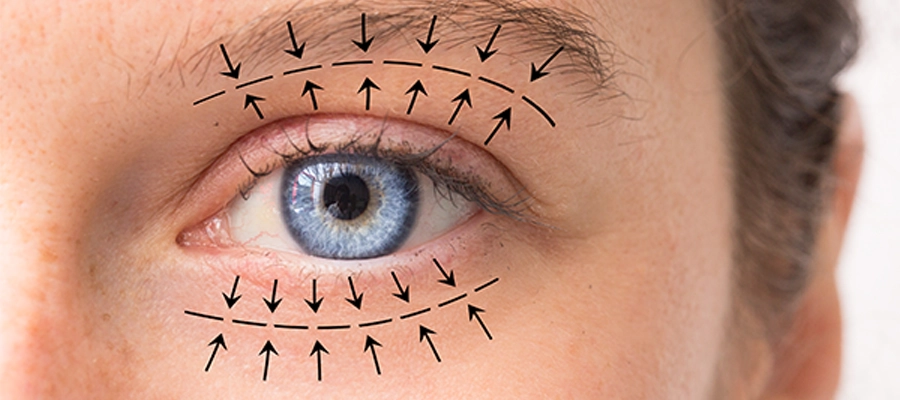
Combined upper and lower blepharoplasty is an eyelid surgery approach that treats age-related or structural concerns affecting both the upper and lower eyelids during the same operation. The procedure may address upper-eyelid hooding, excess skin, under-eye bags, lower-lid puffiness, and selected contour irregularities around the eyes.
Treating both eyelid regions together can create greater continuity between the upper and lower eye area. However, the same technique is not applied to every patient. Upper-eyelid skin, lower-eyelid fat, tear-trough depth, brow position, eyelid support, and natural eye shape must all be evaluated independently.
The goal is generally to create a more rested appearance while preserving normal eyelid function and recognizable facial expression. Modern planning tends to favor conservative tissue removal and strategic volume preservation rather than making the eyelids excessively tight or hollow.
What Is the Difference Between Upper and Lower Blepharoplasty?
Upper blepharoplasty primarily treats the tissues above the eye. It commonly involves carefully removing excess upper-eyelid skin and, when necessary, adjusting localized fat or other soft tissues. The incision is usually positioned within the natural upper-eyelid crease.
Lower blepharoplasty addresses structures beneath the eye. Treatment may include fat preservation, repositioning or limited removal, along with selected skin adjustment and eyelid support when necessary.
The underlying problems are therefore different. Upper-eyelid heaviness frequently relates to skin redundancy and brow position, while lower-eyelid aging often involves a combination of prominent fat, hollowness, skin laxity, and the relationship between the eyelid and cheek.
Why Are Upper and Lower Blepharoplasty Performed Together?
Upper and lower eyelid aging often occurs simultaneously. Treating both areas during one operation can create a more balanced transition around the entire eye region when both genuinely require correction.
A patient may have hooded upper eyelids that make the eyes appear heavy while also having lower-eyelid bags that create persistent shadows. Correcting only one area can leave the untreated region visually dominant.
Combining the procedures also means that anesthesia, initial recovery, and postoperative downtime can occur within the same general period. Nevertheless, surgery should only include areas that require treatment. Performing more procedures does not automatically produce a better aesthetic result.
Who Is a Good Candidate for Combined Upper and Lower Blepharoplasty?
Potential candidates generally have identifiable concerns affecting both eyelid regions, such as upper-lid skin redundancy together with lower-eyelid bags or contour changes.
Candidate assessment should include skin quality, eye health, tear production, eyelid support, brow position, facial anatomy, medications, previous surgery, and general medical health. Expectations should also be realistic about what eyelid surgery can and cannot change.
Some people who appear to need upper blepharoplasty actually have significant brow descent. Others may have true eyelid ptosis rather than simple skin excess. Identifying these differences before surgery helps prevent incomplete or inappropriate treatment.
What Problems Can Combined Eyelid Surgery Correct?
Combined eyelid surgery can address several concerns within one treatment plan. These may include upper-eyelid hooding, redundant skin, obscured eyelid creases, lower-eyelid bags, puffiness, selected skin laxity, and irregularities at the lid-cheek junction.
Lower-eyelid fat repositioning can sometimes improve a tear-trough depression when under-eye fullness sits immediately above a hollow area. Upper treatment can simultaneously reduce skin that makes the eyes appear heavy.
Not every concern around the eyes responds to blepharoplasty. Pigmentation, crow’s feet, brow ptosis, significant cheek volume loss, and true upper-eyelid ptosis may require separate or complementary treatment.
How Is Combined Upper and Lower Blepharoplasty Performed?
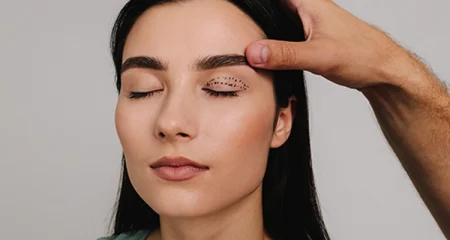
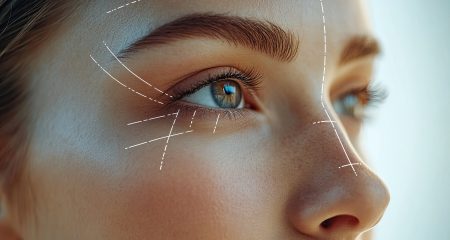
Surgery begins with careful marking and assessment of the tissues that require adjustment. Upper-eyelid incisions are generally positioned within the natural crease, allowing selected excess skin and other tissues to be addressed.
Lower-eyelid treatment can be performed through a transconjunctival incision inside the eyelid or a transcutaneous incision close to the lower eyelashes. The approach depends on whether the patient needs fat treatment alone or also requires skin adjustment and additional support.
Prominent lower-eyelid fat may be conservatively reduced or repositioned into adjacent hollow areas. If lower-lid laxity is present, additional support may sometimes be incorporated. Every component should be selected according to anatomy rather than routinely performed.
What Are the Benefits of Combined Eyelid Surgery?
One important benefit is the ability to address upper-eye heaviness and lower-eye tiredness simultaneously. This can create more consistent rejuvenation across the entire eye region.
Combined treatment may also allow one coordinated recovery instead of undergoing separate upper and lower operations at different times. For suitable patients, this can reduce the total number of surgical appointments and anesthesia episodes.
From an aesthetic perspective, treating the eyelids as a connected region can help maintain better balance. The desired outcome is usually not dramatically different eyes but a cleaner, less heavy, and more rested version of the patient’s existing appearance.
Can Combined Blepharoplasty Treat Droopy Eyelids and Under-Eye Bags?
The procedure can improve upper-eyelid drooping when the apparent droop is caused primarily by redundant skin. Lower blepharoplasty can simultaneously address under-eye bags caused by prominent fat compartments.
True eyelid ptosis is different. In ptosis, the actual upper-eyelid margin sits too low because of a problem involving the mechanism that raises the eyelid. Blepharoplasty alone does not directly correct this condition.
When ptosis, excess skin, and lower-eyelid bags occur together, ptosis repair may sometimes be incorporated into a broader surgical plan. Accurate diagnosis determines which procedures are required.
What Type of Anesthesia Is Used for Combined Blepharoplasty?
The anesthesia plan depends on surgical extent, patient health, surgeon preference, and whether additional facial procedures are being performed.
Combined eyelid surgery may be performed with local anesthesia and sedation in selected cases. General anesthesia may be preferred for more extensive operations or when blepharoplasty is combined with other procedures.
Anesthesia selection should prioritize patient safety and comfort rather than follow a universal approach. Preoperative medical assessment helps determine the appropriate option.
How Long Does Combined Upper and Lower Blepharoplasty Take?
Combined surgery often requires approximately two to three hours, although the exact operating time can vary considerably.
A relatively straightforward operation may take less time, while fat repositioning, canthal support, ptosis correction, revision surgery, or substantial asymmetry can increase surgical duration. Procedures performed simultaneously on the brows or face also extend operating time.
The total time spent at the surgical facility will be longer because preparation, anesthesia, and postoperative monitoring occur in addition to the operation itself.
How to Prepare for Combined Eyelid Surgery
Preparation generally begins with a detailed medical and ophthalmic history. Patients should discuss medications, supplements, allergies, previous eyelid or facial surgery, dry-eye symptoms, contact lens use, and relevant medical conditions.
The surgical team may provide individualized instructions concerning medications, smoking, alcohol, eating and drinking before anesthesia, skincare, and postoperative medications. Patients should not stop prescribed medication without medical guidance.
It is also useful to arrange transportation, prepare the recovery environment, and plan sufficient time away from demanding work and social commitments. Following preoperative instructions can reduce avoidable problems during early healing.
Combined Upper and Lower Blepharoplasty Recovery Timeline
The first several days typically involve the most noticeable swelling and bruising. The eyelids can feel tight, sensitive, watery, or dry, and temporary differences between the two sides are common.
During the following one to two weeks, bruising generally fades and the upper eyelids begin to look more defined. Lower-eyelid swelling may remain more noticeable because tissues beneath the eyes often take longer to settle.
Over the following weeks and months, residual puffiness decreases, scars soften, and lower-lid contours continue refining. Recovery should therefore be viewed as a gradual process rather than a single date on which healing is suddenly complete.
Combined Upper and Lower Blepharoplasty Prices 2026
Combined Upper and Lower Blepharoplasty Prices 2026 vary significantly according to geographic location, surgeon experience, anesthesia, surgical facility, and the complexity of the upper and lower eyelid procedures.
Frequently Asked Questions
How Long Do Swelling and Bruising Last After Combined Blepharoplasty?
Visible bruising commonly improves substantially within approximately one to two weeks, although individual recovery varies.
When Can You Return to Work After Combined Eyelid Surgery?
Many patients plan approximately 10 to 14 days before returning to highly visible professional or social activities. Some require longer if bruising or lower-eyelid swelling remains noticeable.
When Can You Exercise After Upper and Lower Blepharoplasty?
Strenuous exercise is generally restricted during early recovery because increased blood pressure and physical strain can contribute to swelling or bleeding.
When Are the Final Results of Combined Blepharoplasty Visible?
The first improvements become apparent once major bruising and swelling decrease. Upper-eyelid definition may become visible relatively early, while the lower eyelids can require more time to settle.
How Long Do Combined Blepharoplasty Results Last?
Combined blepharoplasty results can be long-lasting, particularly when the procedure addresses structural excess skin and prominent lower-eyelid fat.
Does Combined Upper and Lower Blepharoplasty Leave Scars?
All surgical incisions create scars, but blepharoplasty incisions are strategically positioned to make them less conspicuous after healing.
What Are the Risks of Combined Upper and Lower Blepharoplasty?
Potential side effects include swelling, bruising, temporary dryness, watering, irritation, tightness, temporary numbness, and short-term asymmetry. These changes commonly improve during recovery.