
What Is Upper Blepharoplasty?
Upper blepharoplasty is eyelid surgery designed to improve excess skin, heaviness, and selected soft-tissue changes affecting the upper eyelids. The procedure removes or repositions carefully selected tissue while preserving normal eyelid closure, natural eye shape, and appropriate upper-eyelid volume.
Upper eyelid surgery may be performed for cosmetic reasons or, in selected cases, when significant tissue interferes with the upper visual field. Brow position and true eyelid ptosis should also be assessed because they can create heaviness that blepharoplasty alone cannot fully correct.
What Does Upper Blepharoplasty Do?
Upper eyelid surgery primarily reduces redundant skin that folds over the natural eyelid crease. Depending on anatomy, limited amounts of underlying muscle or prominent fat may also be addressed.
Treatment can make the upper-eye area appear cleaner, lighter, and more rested. The objective is not to create a completely smooth or hollow eyelid. Preserving enough skin and soft tissue helps maintain natural expression and normal blinking.
How Is Upper Blepharoplasty Performed?
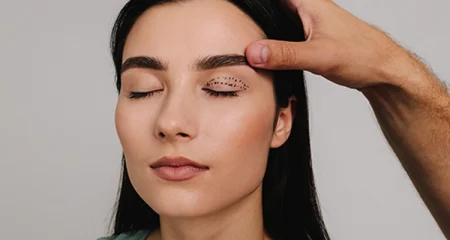
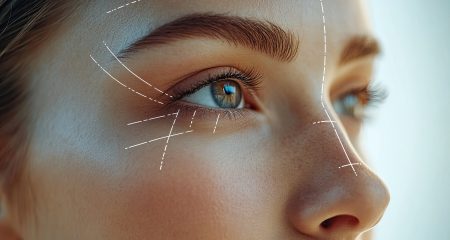
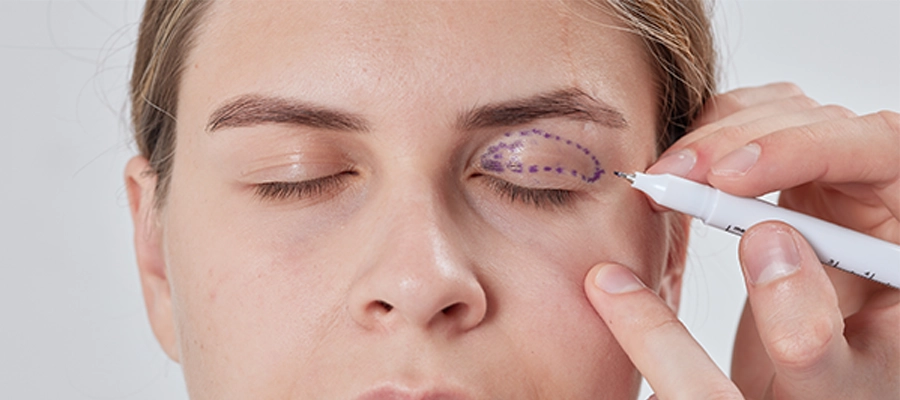
The surgeon usually places an incision within the natural upper-eyelid crease. The amount of skin requiring removal is carefully measured before selected tissue is excised or repositioned.
Treatment varies between patients. Some require mainly skin removal, while others have localized fat prominence or additional structural concerns. The incision is then closed with fine sutures. Brow height, crease position, eyelid symmetry, and eye closure should all be considered during surgical planning.
Who Is a Good Candidate for Upper Blepharoplasty?
Suitable candidates commonly have upper-eyelid skin redundancy, hooding, or heaviness that can be improved through direct eyelid treatment.
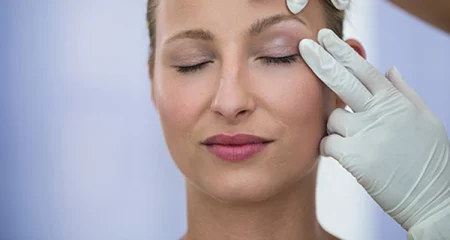
General health, eye health, tear production, previous surgery, medications, and expectations also influence candidacy. Patients with significant brow descent or true upper-eyelid ptosis may require a different or combined procedure. A detailed examination helps identify which structure is actually responsible for the heavy appearance.
What Concerns Can Upper Blepharoplasty Treat?
The procedure can address excess upper-eyelid skin, obscured eyelid creases, age-related hooding, and selected areas of localized fullness.
It can also improve some forms of upper-eyelid asymmetry when differences in skin or soft tissue contribute to the problem. However, it does not automatically correct low eyebrows, eyelid ptosis, crow’s feet, dark circles, or every form of eye asymmetry.
Benefits of Upper Blepharoplasty
One of the main benefits is a more defined upper-eyelid contour without requiring major changes to the surrounding face. Reducing excessive skin can make the eye area appear less heavy and more refreshed.
When redundant skin affects peripheral vision, appropriately indicated surgery may also provide functional improvement. Results should maintain the patient’s recognizable eye shape rather than creating an excessively deep crease or removing all natural upper-lid fullness.
How to Prepare for Upper Blepharoplasty
Preparation typically includes reviewing medical history, eye conditions, previous facial procedures, medications, supplements, allergies, and dry-eye symptoms.
Patients may receive specific instructions about medications, smoking, alcohol, skincare, contact lenses, and eating before anesthesia. Medication changes should only be made under medical guidance. Arranging transportation and preparing for several days of visible swelling or bruising can also make early recovery easier.
Upper Blepharoplasty Recovery Process
The early upper blepharoplasty recovery period commonly involves swelling, bruising, mild tightness, tenderness, and temporary changes in eyelid sensation.
Swelling can differ between sides and may initially make the eyelids appear uneven. Most obvious postoperative changes gradually improve over the first couple of weeks, although subtle swelling and scar maturation continue longer. Strenuous exercise and activities that could irritate the surgical area are usually restricted initially according to the surgeon’s instructions.
What to Expect After Upper Blepharoplasty
Immediately after surgery, the eyelids may feel tight and look swollen. Mild bruising, watering, dryness, temporary light sensitivity, or blurred vision from ointment can also occur.
Patients receive individualized instructions for incision care and eye protection. Symptoms should progressively improve rather than worsen. Significant pain, sudden visual changes, rapidly increasing swelling, or bleeding requires urgent assessment by the treating medical team.
How Long Does Upper Blepharoplasty Take?
A straightforward bilateral procedure commonly takes around 45–90 minutes, although operating time varies substantially.
Surgery can take longer when it includes fat adjustment, significant asymmetry correction, revision work, ptosis repair, or another facial procedure. Anesthesia and preparation also add time beyond the actual surgical portion.
When Are Stitches Removed After Upper Blepharoplasty?
When non-dissolving sutures are used, they are commonly removed approximately 5–7 days after surgery, although timing depends on the closure technique and healing progress.
Some surgeons use absorbable sutures that do not require routine removal. Patients should follow their surgeon’s schedule rather than removing or manipulating stitches themselves.
When Can You Return to Work After Upper Blepharoplasty?
Many patients plan approximately 7–14 days away from highly visible professional or social activities because bruising and swelling can remain noticeable during this period.
Someone working remotely or in a non-physical role may feel comfortable returning sooner. Physically demanding occupations can require more time because strenuous activity may temporarily increase swelling or bleeding risk.
When Will You See Upper Blepharoplasty Results?
Changes are visible early, but swelling initially prevents accurate evaluation. The eyelid contour becomes clearer as bruising and inflammation decrease during the following weeks.
Further refinement occurs as residual swelling resolves and the incision softens. Several months may be needed before scars and eyelid tissues reach a more mature appearance. Early asymmetry should therefore not automatically be interpreted as a final result.
How Long Do Upper Blepharoplasty Results Last?
Upper blepharoplasty results are generally long-lasting because surgically removed excess skin does not simply return. However, the eyelids, forehead, and brows continue to age.
Skin elasticity, genetics, sun exposure, brow descent, lifestyle, and natural tissue changes can influence future appearance. Some patients may eventually develop new upper-eyelid laxity years after their original procedure.
Does Upper Blepharoplasty Leave Scars?
Upper blepharoplasty creates a surgical scar, but the incision is usually positioned within the natural eyelid crease to make it less noticeable after maturation.
Scars can initially appear pink, firm, or slightly raised before gradually softening and fading. Final visibility depends on skin characteristics, incision placement, individual healing, sun exposure, and scar care. Complete scar invisibility cannot be guaranteed.
Is Upper Blepharoplasty Painful?
Upper eyelid surgery is performed with appropriate anesthesia, so discomfort is controlled during the procedure. Early recovery more commonly involves tightness, tenderness, irritation, or mild soreness rather than intense pain.
Pain should generally become easier to manage as healing progresses. Severe or rapidly worsening pain, particularly when accompanied by vision changes or significant swelling, is not considered routine and requires prompt medical evaluation.
Upper Blepharoplasty Prices 2026
Upper Blepharoplasty Prices 2026 vary according to surgical complexity, anesthesia, geographic location, facility fees, and whether additional eyelid or brow procedures are included.
Costs may increase when surgery involves fat adjustment, significant asymmetry correction, ptosis repair, revision surgery, or combined brow lifting. Preoperative assessments, postoperative care, anesthesia expenses, operating-room charges, and surgical duration can also affect the total amount. There is no universal fixed price because upper-eyelid anatomy, previous surgery, and treatment goals differ between patients.
Frequently Asked Questions
How long does upper blepharoplasty take?
A straightforward upper-eyelid procedure commonly takes around 45 to 90 minutes. Surgery may take longer when asymmetry correction, fat repositioning, ptosis repair, or additional facial procedures are performed at the same time.
Is upper blepharoplasty painful?
Discomfort is usually limited because anesthesia is used during the procedure. Early recovery more commonly involves tightness, tenderness, mild soreness, or irritation rather than severe pain.
Are you awake during upper blepharoplasty?
Upper eyelid surgery can often be performed under local anesthesia, sometimes with light sedation. In that setting, the patient may remain awake but comfortable. The anesthesia plan depends on the procedure, medical history, and whether other operations are being performed.
How long does swelling last after upper blepharoplasty?
Visible swelling is usually most noticeable during the first several days and then gradually decreases over the following one to two weeks.
Mild residual puffiness can last longer, especially when additional procedures are performed. Final eyelid refinement continues after the obvious swelling has resolved.
When can I wear makeup after upper blepharoplasty?
Makeup is generally avoided until the incisions have adequately closed and early healing is stable. This often means waiting around one to two weeks, although the exact timing depends on wound healing and postoperative instructions.
Products should not be applied directly over incompletely healed incisions.
When can I return to work after upper blepharoplasty?
Many patients plan approximately one to two weeks before returning to highly visible work or social activities.
Remote or non-physical work may be possible sooner. Bruising, swelling, occupation, and personal comfort all influence the return-to-work timeline.
Does upper blepharoplasty leave a visible scar?
The incision is usually placed within the natural upper-eyelid crease, where the scar can become relatively inconspicuous as it matures.
Early scars may look pink or firm before gradually softening and fading over several months. Final visibility depends on skin type, incision placement, healing characteristics, sun exposure, and scar care.